
Speakers

Regina Barzilay
Regina Barzilay is a School of Engineering Distinguished Professor of AI & Health in the Department of Computer Science and the AI Faculty Lead at MIT Jameel Clinic. She develops machine learning methods for drug discovery and clinical AI. In the past, she worked on natural language processing. Her research has been recognized with the MacArthur Fellowship, an NSF Career Award, and the AAAI Squirrel AI Award for Artificial Intelligence for the Benefit of Humanity. Regina is a member of the National Academy of Engineering, American Academy of Arts and Sciences, and the National Academy of Medicine.
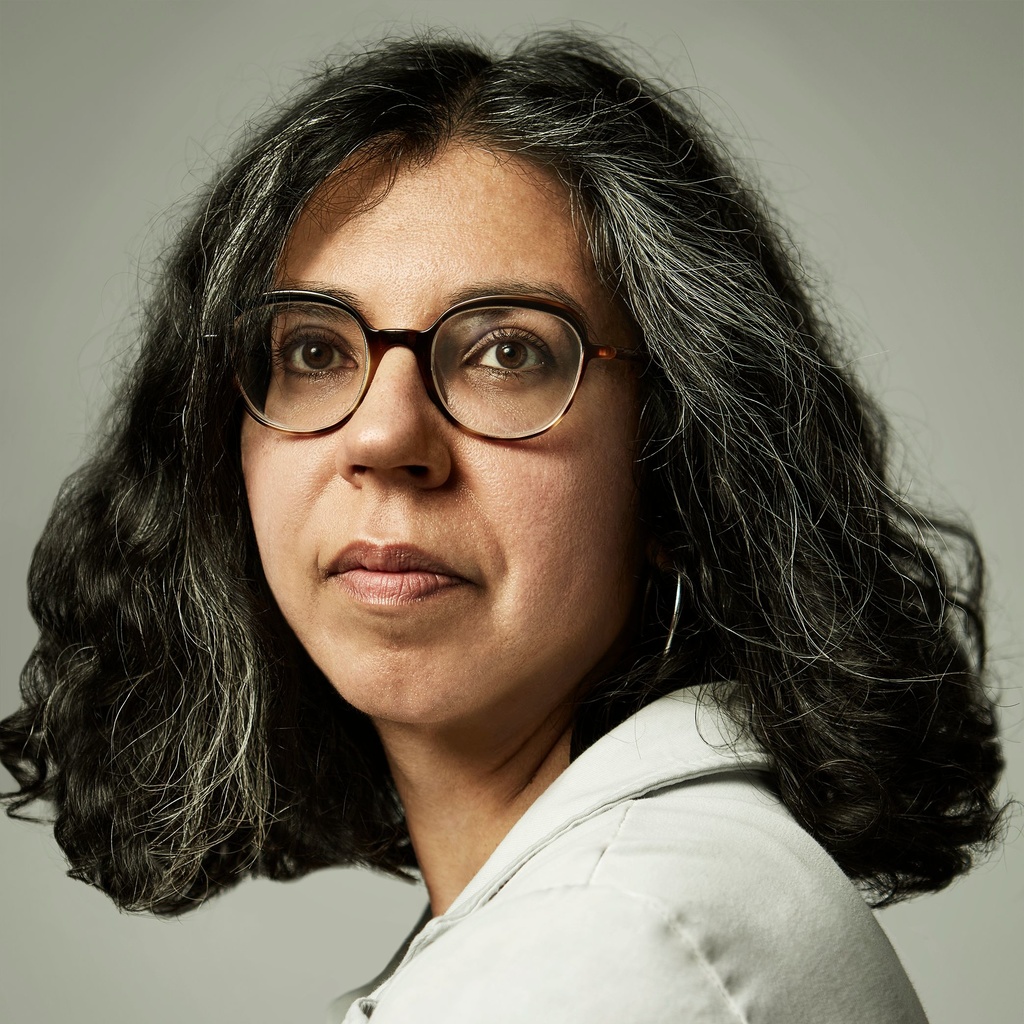
Asha Bhandary
Asha Bhandary is a social and political philosopher working at the intersection of the ethics of care, philosophy of race, reproductive justice, and political theory. She is the founder and director of the Care Lab (University of Iowa 2025–20, Stony Brook University 2026–present), a philosophy research lab. Her work focuses on the structural and distributive requirements for caregiving arrangements in society, developing critical care theory that illuminates racialized and non-western practices of care. In her first monograph, Freedom to Care: Liberalism, Dependency Care, and Culture (2020), she argues that society’s caregiving arrangements must be improved if women, and women of color, are to have the freedom to care. In her second monograph, Being at Home: Living Autonomously in an Unjust World (2026), she defends the theory of intersectional liberalism, which proceeds from the subject position of the least advantaged, or what she defines as the “grafted subject.”
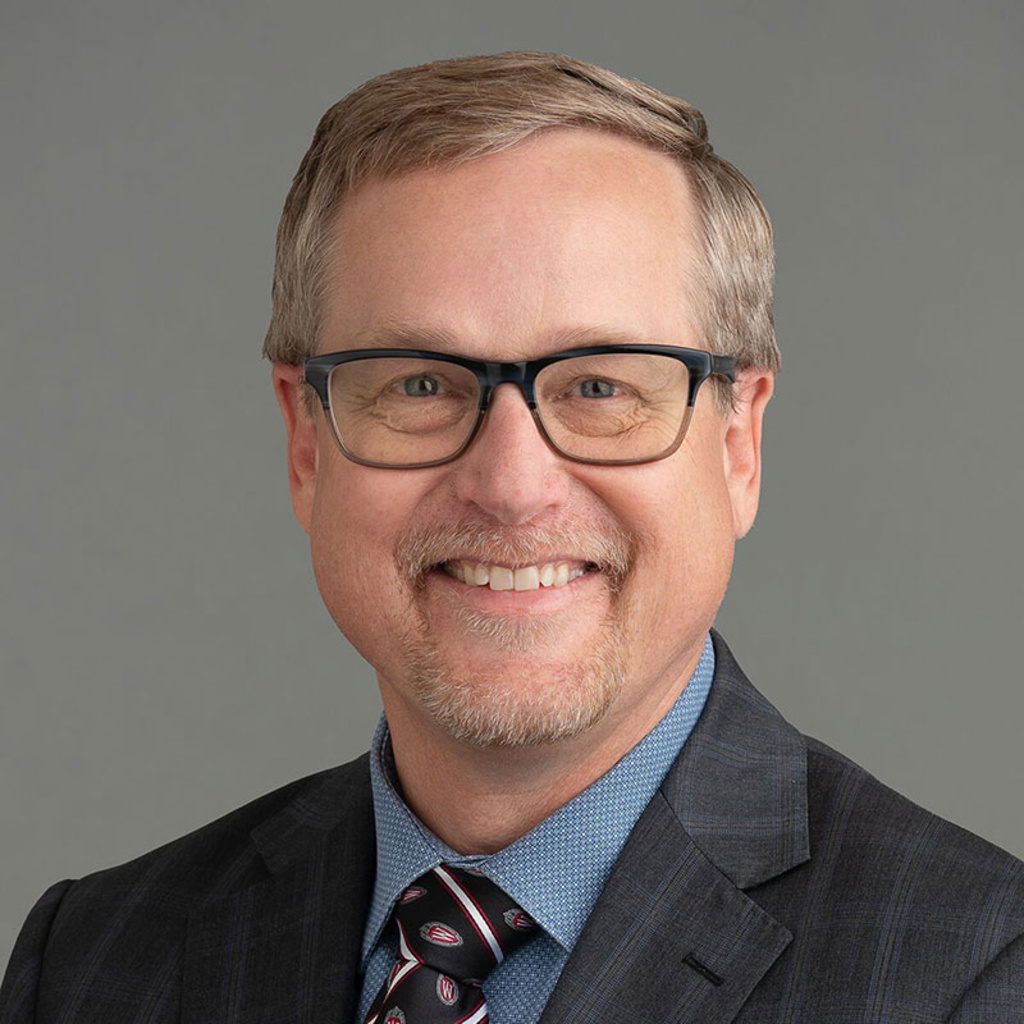
Joel Gordon
Joel Gordon, MD currently serves as the chief medical information officer at UW Health. This role aligns with his passion for advancing key areas such as innovation diffusion, provider wellness, and organizational efficiency. As a board-certified family practice physician of thirty years, Gordon enjoys his clinical work within the float pool assisting the family medicine, internal medicine, and pediatrics departments. His interests specifically target adoption science, user experience, and medical decision-making.
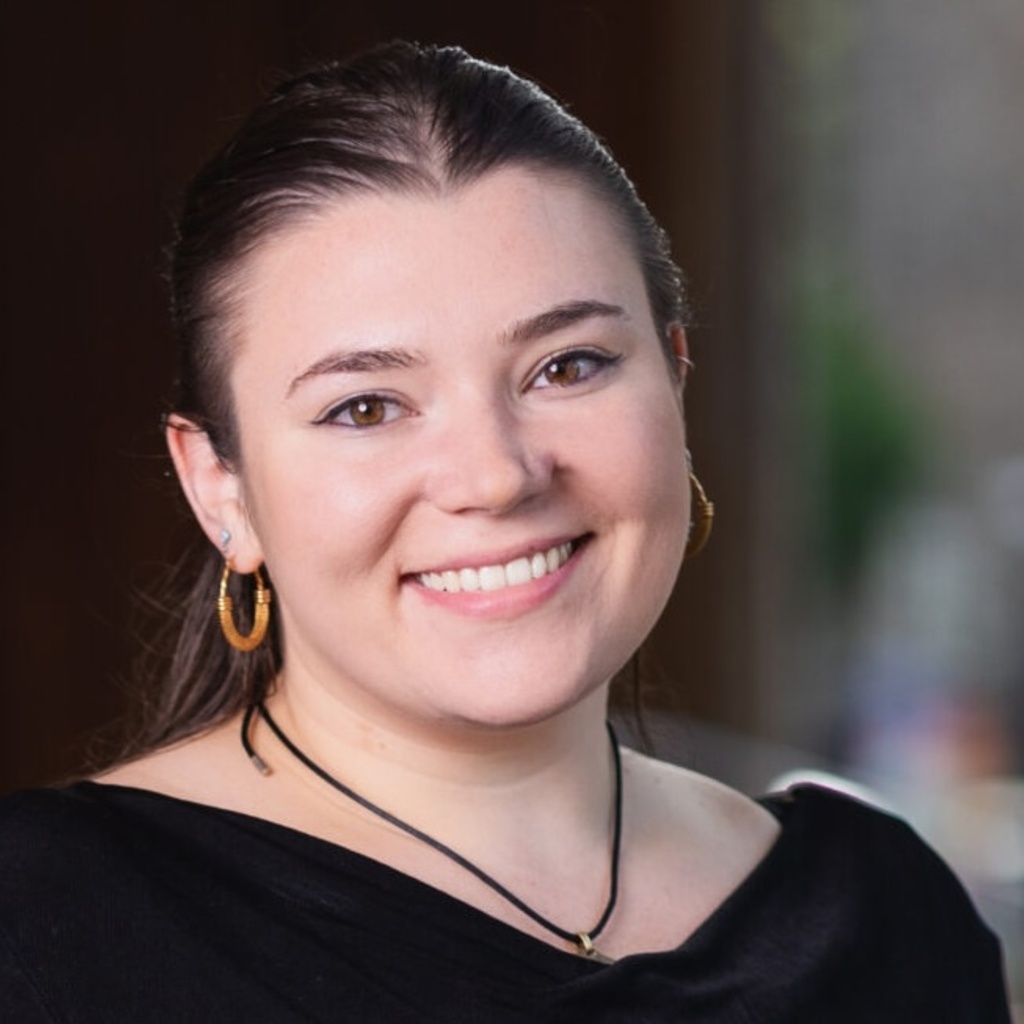
Michael Greer
Michael Greer is a postdoctoral scholar in the Department of Bioethics at Case Western Reserve University and a Clinical Ethics Fellow at MetroHealth Hospital in Cleveland, Ohio. She earned a PhD in philosophy from CUNY–The Graduate Center in 2026. Her philosophical research focuses on injustices in healthcare and medicine, using feminist and care ethics perspectives; the role of experience and emotion in social transformation; and the value of incorporating empirical methods into normative inquiry, especially in domains like bioethics.
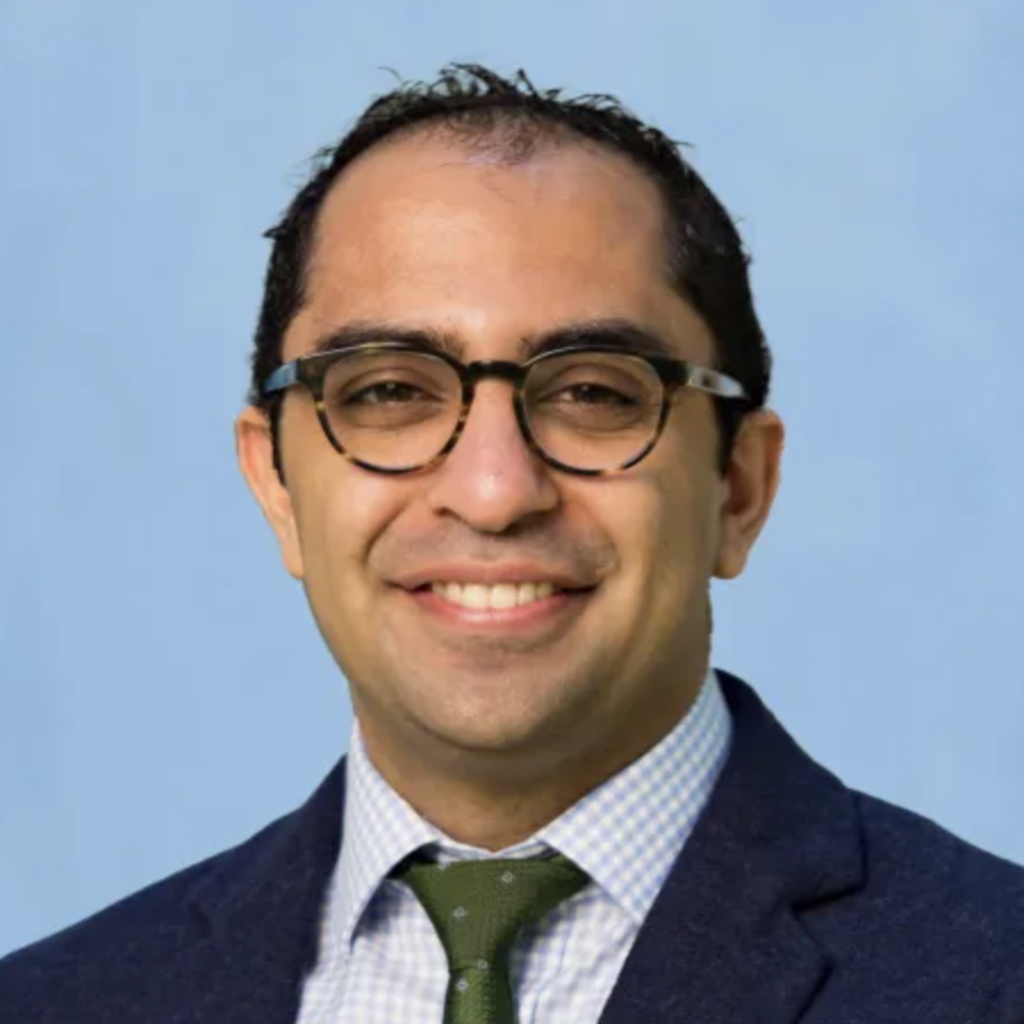
Andrew Ibrahim
Andrew Ibrahim, MD, MSc is a faculty member in the Michigan Medicine Department of Surgery and the VA Ann Arbor Healthcare System. He also holds a secondary title as a faculty member at the Taubman College of Architecture and Urban Planning. Dr. Ibrahim received his medical doctor degree from Case Western Reserve University and the M.Sc. degree in health care research from the University of Michigan School of Graduate Studies. He has completed two fellowships in policy and outcomes research as the Doris Duke Fellow at Johns Hopkins Hospital and Robert Wood Johnson Clinical Scholar at the University of Michigan. He began the general surgery residency training program at University Hospitals of Cleveland. In 2017, he transferred to the Michigan Medicine general surgery residency training program, which he completed in June 2020.
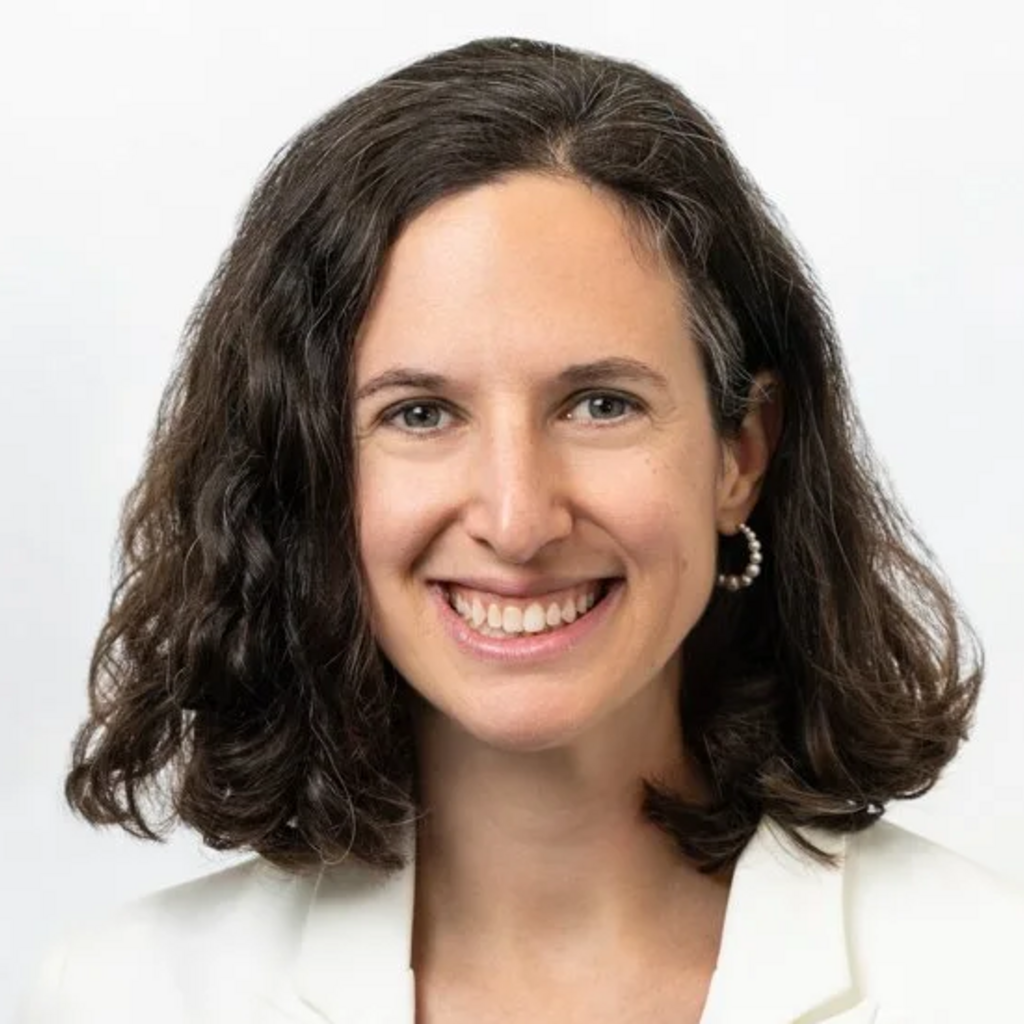
Ilana Yurkiewicz
Ilana Yurkiewicz is a clinical associate professor of medicine at Stanford University School of Medicine in the Division of Primary Care and Population Health and Division of Oncology (by courtesy). Board-certified in internal medicine, hematology, and oncology, she co-directs Stanford’s Primary Care for Cancer Survivorship Program, an innovative clinic that cares for cancer survivors and patients at elevated risk. She is also an award-winning medical journalist and Stanford’s inaugural Physician-Journalist in Residence.
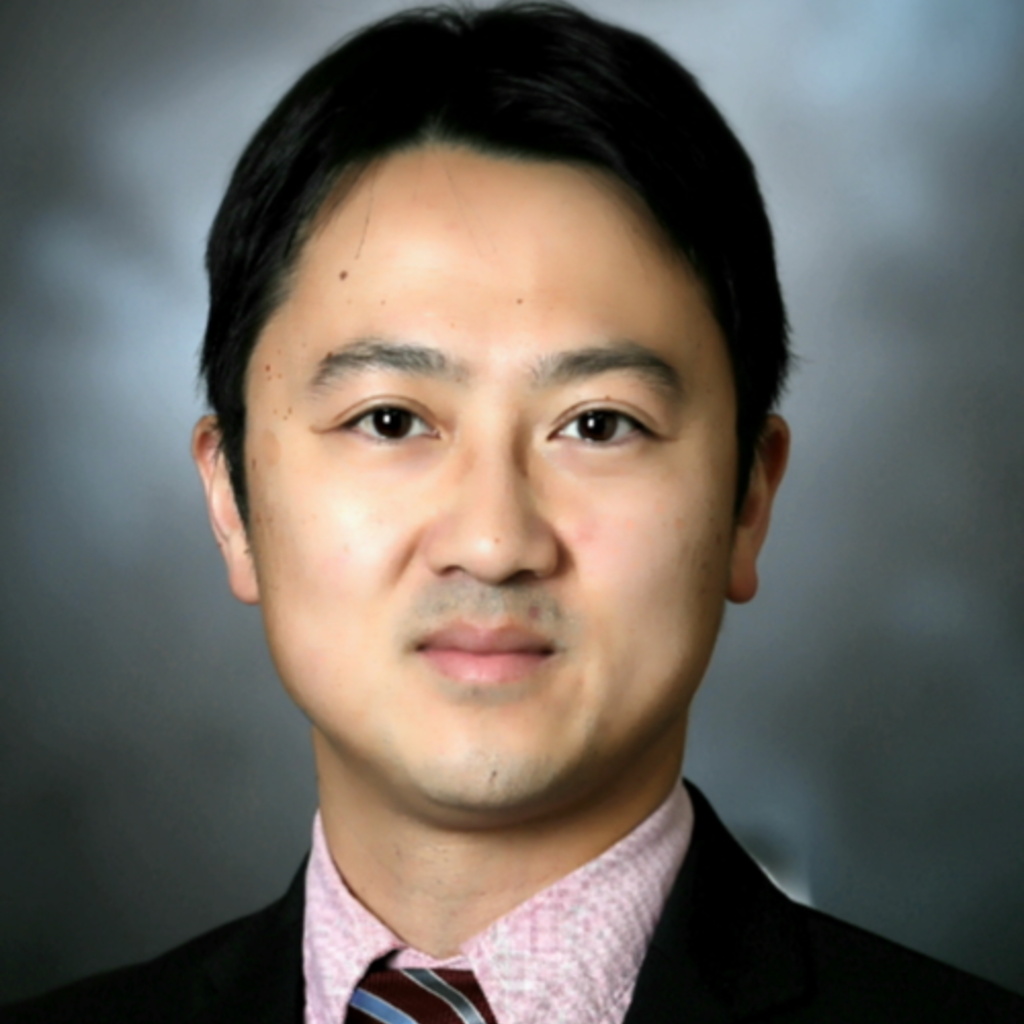
Rui Zhang
Rui Zhang is professor and founding chief of the Division of Computational Health Sciences at the University of Minnesota. He was named as McKnight Presidential Fellow and holds several leadership roles, including the chairship of AI and data science for the healthcare workgroup within the UMN’s Data Science and AI Hub, the associate directorship of Health AI & Data Science for the Center for Learning Health System Sciences, and the directorship of the Natural Language Processing/Information Extraction research program. Dr. Zhang’s research is at the forefront of integrating novel AI with healthcare research and practice, analyzing multimodal biomedical data, including electronic health records, biomedical literature, and patient-generated data. His research is fully supported by multiple NIH grants as principal investigator, focusing on transformative AI projects. He has published over 150 peer-reviewed articles, and his work has been reported by the Wall Street Journal and CBS News. Dr. Zhang is a Fellow of the International Academy of Health Sciences Informatics, the American College of Medical Informatics, and AMIA.