Upcoming Events & Deadlines

Application Deadline: Obermann Symposium Directorship (2027–28)
Is there a burning topic in your discipline or a topic that cuts across disciplines that we should bring to campus? Is there a format for the conversation that can energize an intellectual community around that topic? That might be the perfect topic for an Obermann Symposium!
In addition to a compelling topic, we invite co-directors to propose national and international speakers who can offer richly diverse perspectives on the symposium theme. We also want to highlight the work of UI and local...

Post45 Conference
Co-sponsored by the Obermann Center
Post45 is committed to the discussion of work-in-progress among a relatively small group of scholars at our annual meetings. The format of the symposium ensures lively and substantive discussion of cutting-edge work in the field, and allows participants to exchange ideas and receive feedback while the work is still in development.
Post45 Conference
Co-sponsored by the Obermann Center
Post45 is committed to the discussion of work-in-progress among a relatively small group of scholars at our annual meetings. The format of the symposium ensures lively and substantive discussion of cutting-edge work in the field, and allows participants to exchange ideas and receive feedback while the work is still in development.

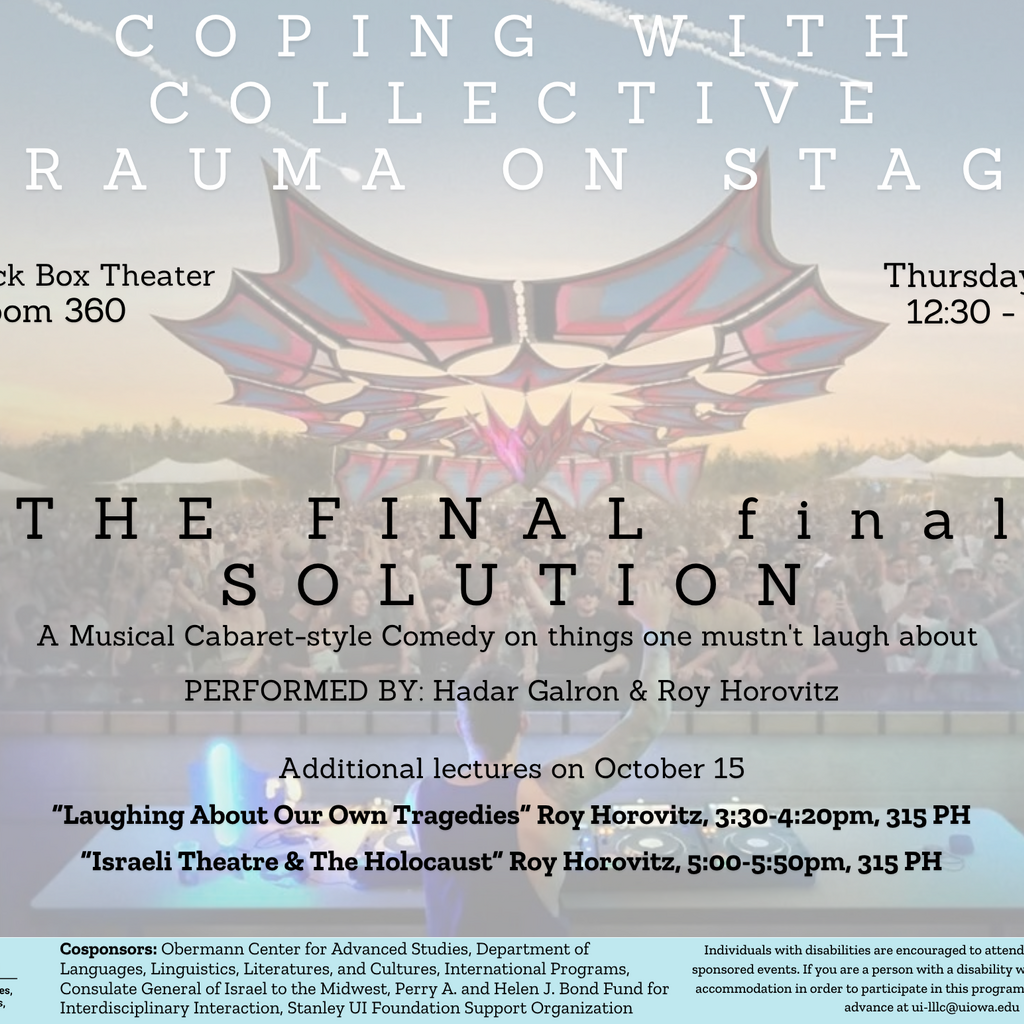
Mental Health & Well-Being Pecha Kucha
Spacer
News
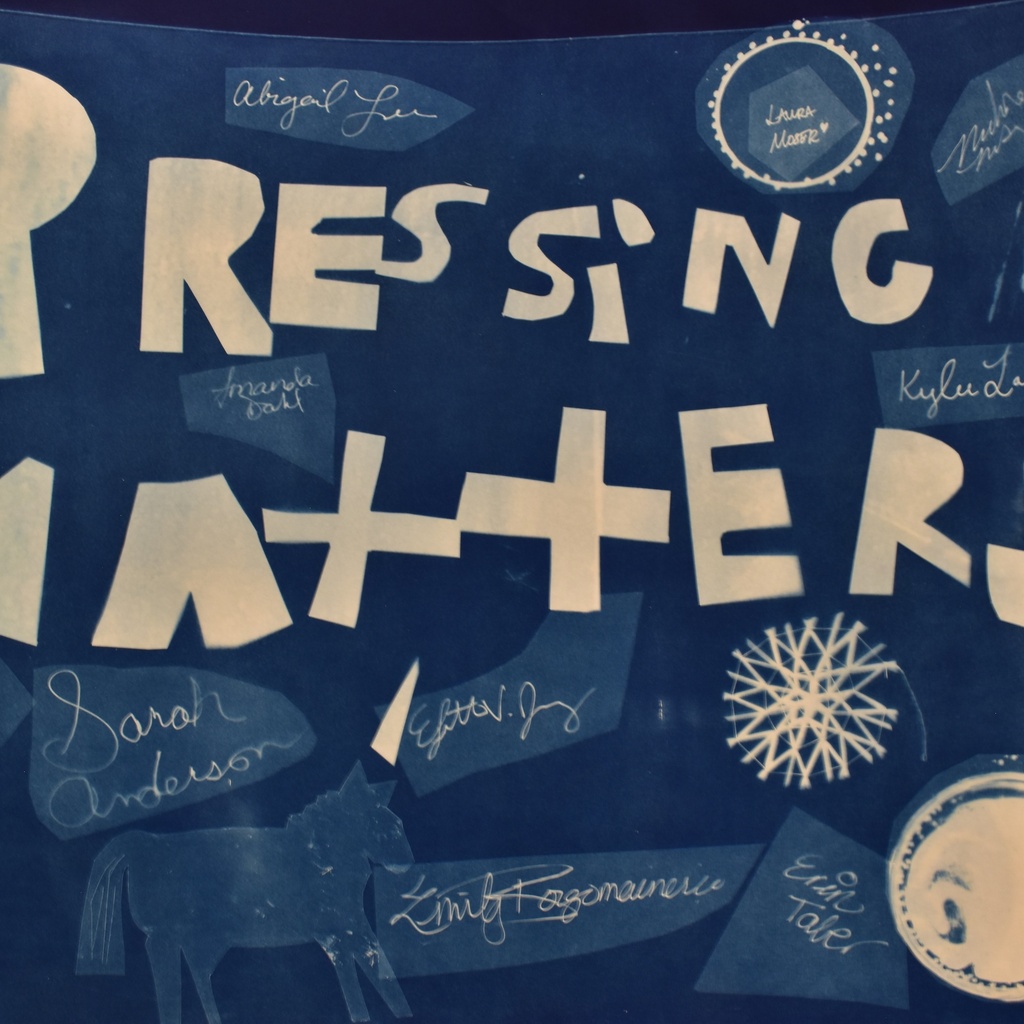
Pressing Matters: Nichole Nidey and Laura Moser on stigma, art, and science

UI professor Stephanie Miracle on the demands and rewards of interdisciplinary work

Six questions for Walter Biggins, our 2026 editor-in-residence
I started in university-press publishing in September 1999, so the number is closer to (gulp!) 27 years. In that timespan, I’ve worked for three presses: University Press of Mississippi, University of Georgia Press, and now University of Pennsylvania Press (Penn Press).

Meet our new assistant director, Amy Chen
Sure! I went to Iowa as an undergraduate, double majoring in English and political science. I was drawn to campus from my hometown of Wichita, Kansas, by Iowa’s reputation as the Writing University. I did all sorts of things as an undergraduate. I was a resident assistant, Writing Fellow, editor-in-chief of the undergraduate literary magazine, and research assistant on top of writing an honors thesis and taking graduate classes in English. After graduation, I really needed a break! I went away to travel, then pursued my PhD at Emory University and completed a postdoc at the University of Alabama.

Variants of Uncertain Significance

Meet Reid Dempsey
Hi! Certainly. It’s a blend of responsibilities, but mostly communications support. I help with interviews, social media, outreach, and recordkeeping. I’m also learning from the Obermann staff—Jenna, Erin, Amy, and Luis—how an organism like OCAS supports research and intellectual life inside and outside the University of Iowa. Their combined experience and skill set can be a little dazzling, and the work feels special. Not every school has something like the Obermann Center on campus, dedicated to sharing resources, building networks, and thinking about the best ways to make things happen.