Upcoming Events & Deadlines

Application Deadline: Small Important Project Grants promotional image

Application Deadline: Small Important Project Grants

Thursday, April 1, 2027 5:00pm
111 Church Street

This new Obermann Center program offers modest yet swift support for those portions of research and creative endeavors by UI scholars that are important toward advancing a project but do not have enough funding from other sources. We will grant 10 awards of $500 or less per academic year. Note that funds need to be spent by June 30 of each year.

Eligibility: Open to all University of Iowa faculty and staff researchers who have not received a SIP award in the past academic year.

Application...

Application Deadline: Obermann Working Groups (2027–30) promotional image

Application Deadline: Obermann Working Groups (2027–30)

Wednesday, April 7, 2027 5:00pm
111 Church Street

Obermann Center Working Groups provide space, structure, and discretionary funding for groups led by faculty that may include advanced graduate students, staff members, and community members with a shared intellectual interest.

Groups have used this opportunity to share their work in progress or draw up a set of readings they want to undertake and discuss. Others have organized conferences, applied for grants together, written articles together, designed new courses, taken field trips, organized...

View more events

Spacer

News

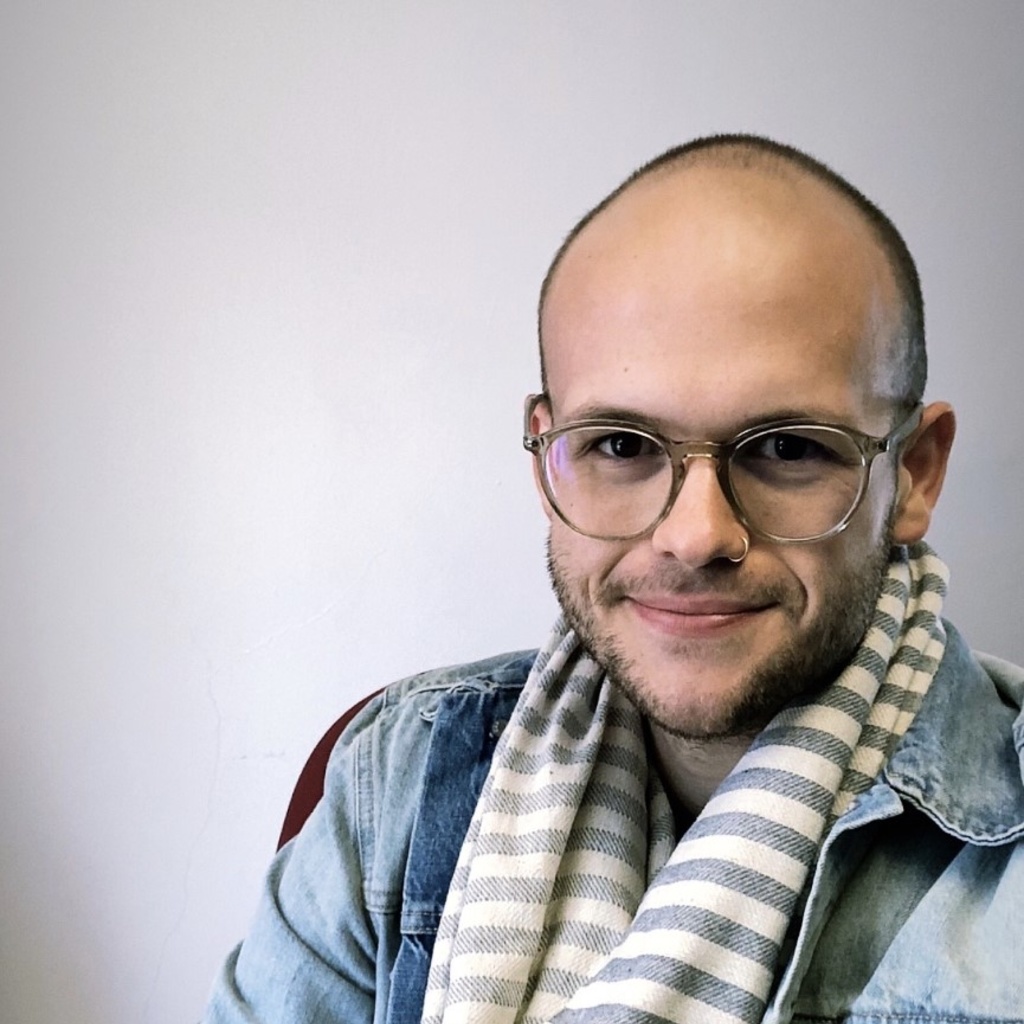
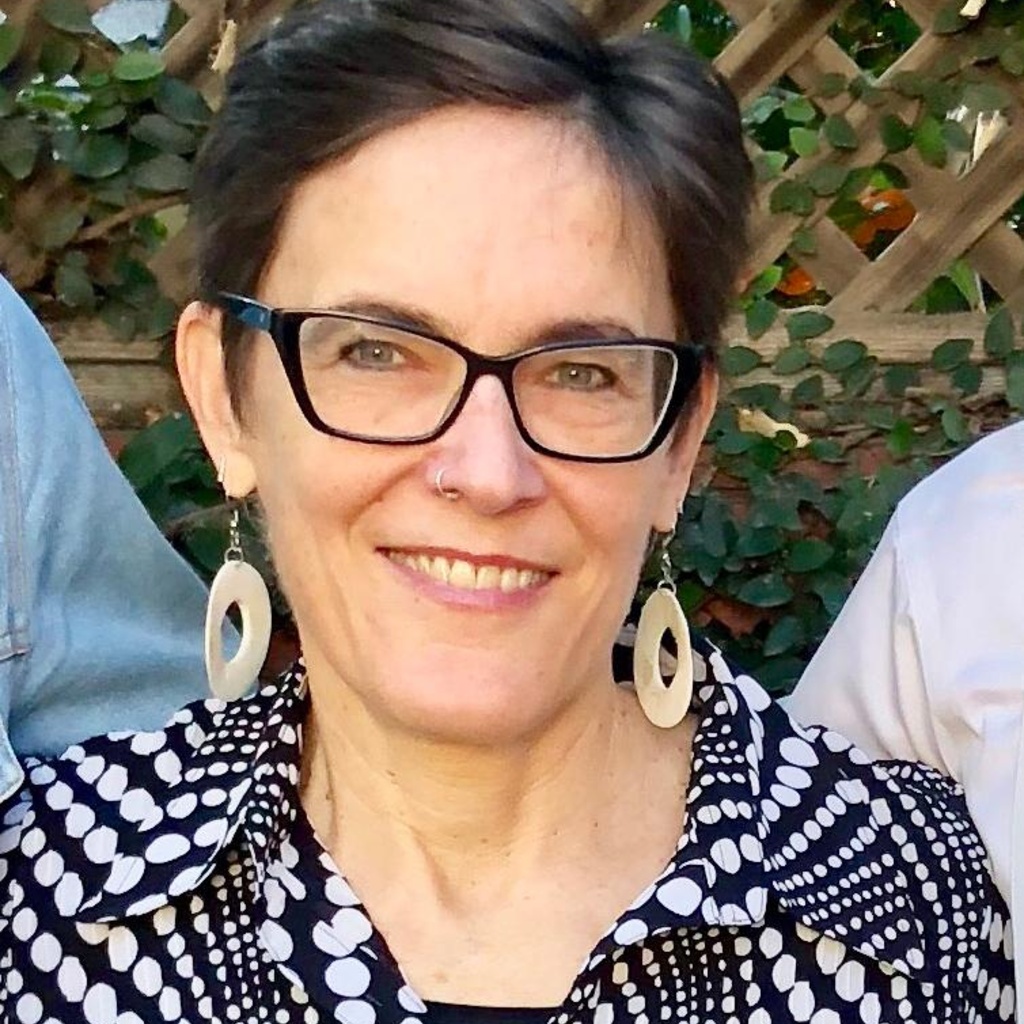
Dominic Dongilli

Meet Dominic Dongilli: HPG's New Graduate Research Assistant
Introducing the 2020–21 Humanities for the Public Good Graduate Research Assistant Arriving at the University of Iowa in Fall 2018 to begin his graduate studies, Dominic Dongilli knew that he wanted to participate in his new community in multiple ways. It was not going to be only about the library and classes. With that intention in mind, he applied for the new Humanities for the Public Good...

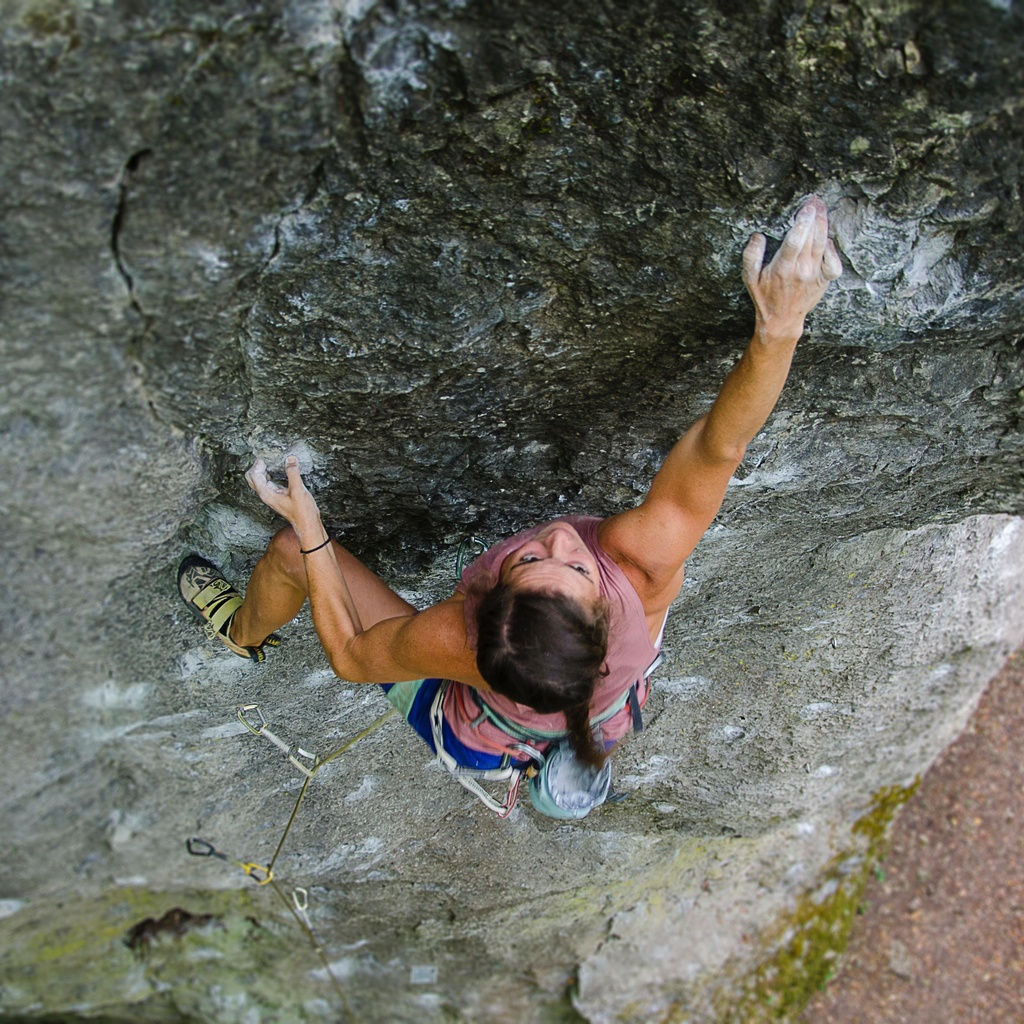
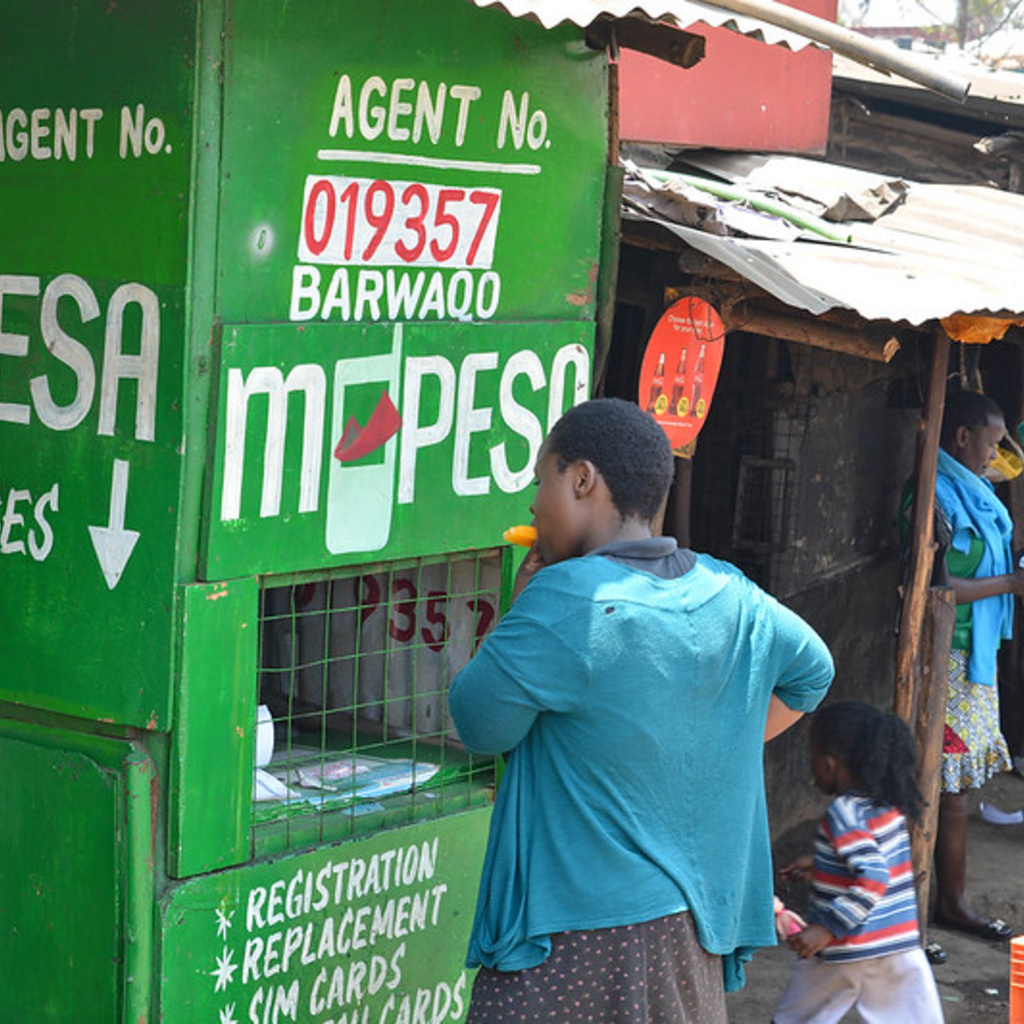
Jua Kali: Brian Ekdale Mines Lessons from Kenya's Scrappy Gig Economy

Brian Ekdale, a filmmaker and media scholar, is pondering what Kenya’s robust gig economy has to teach us at this moment of global crisis. Jua kali describes the country's scrappy, entrepreneurial network of artisans, manual laborers, and tradespeople who fix things, make small-batch wares, and resell found or wholesale merchandise. The term has evolved to refer to a kind of work culture and ethos...
group of scholars looks at artwork

Working Group Directors Q&A

The Obermann Center's unique Working Groups program provides space, structure, and discretionary funding for participants from across the UI campus and beyond to explore complex issues at a moment when cross-disciplinary collaboration is crucial to address shifting domains of knowledge and a rapidly changing world. We've extended the application deadline for 2020-21 Working Groups to April 28, and...
HPG logo

Summer 2020 Humanities for the Public Good Interns Selected
The Humanities for the Public Good program welcomes its second cohort of summer interns. The interns, who earn $5,000 for their eight weeks in the field, will work with organizations in the Iowa City-Cedar Rapids corridor on specific projects that range from oral history recording and archiving to curriculum development. In addition to their time at the job site, interns will meet regularly as a...
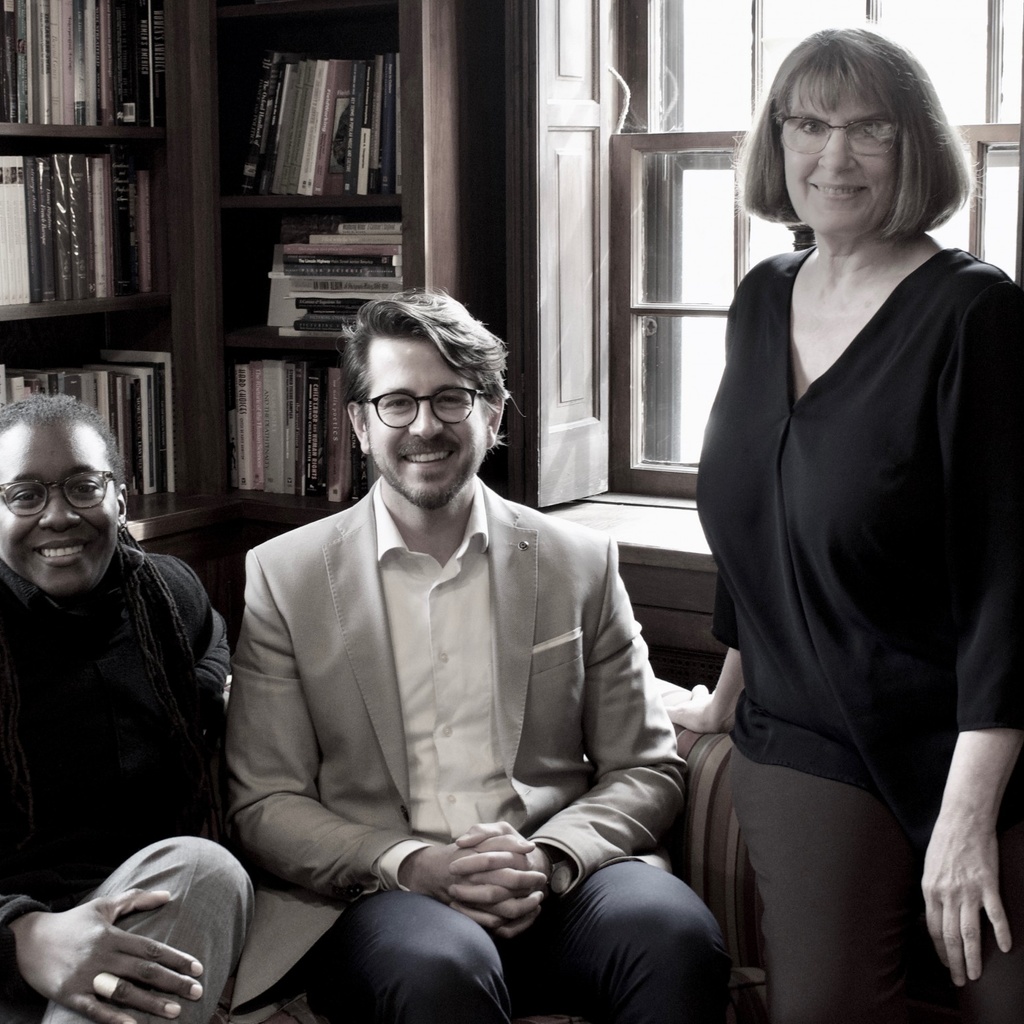
three scholars in Obermann library

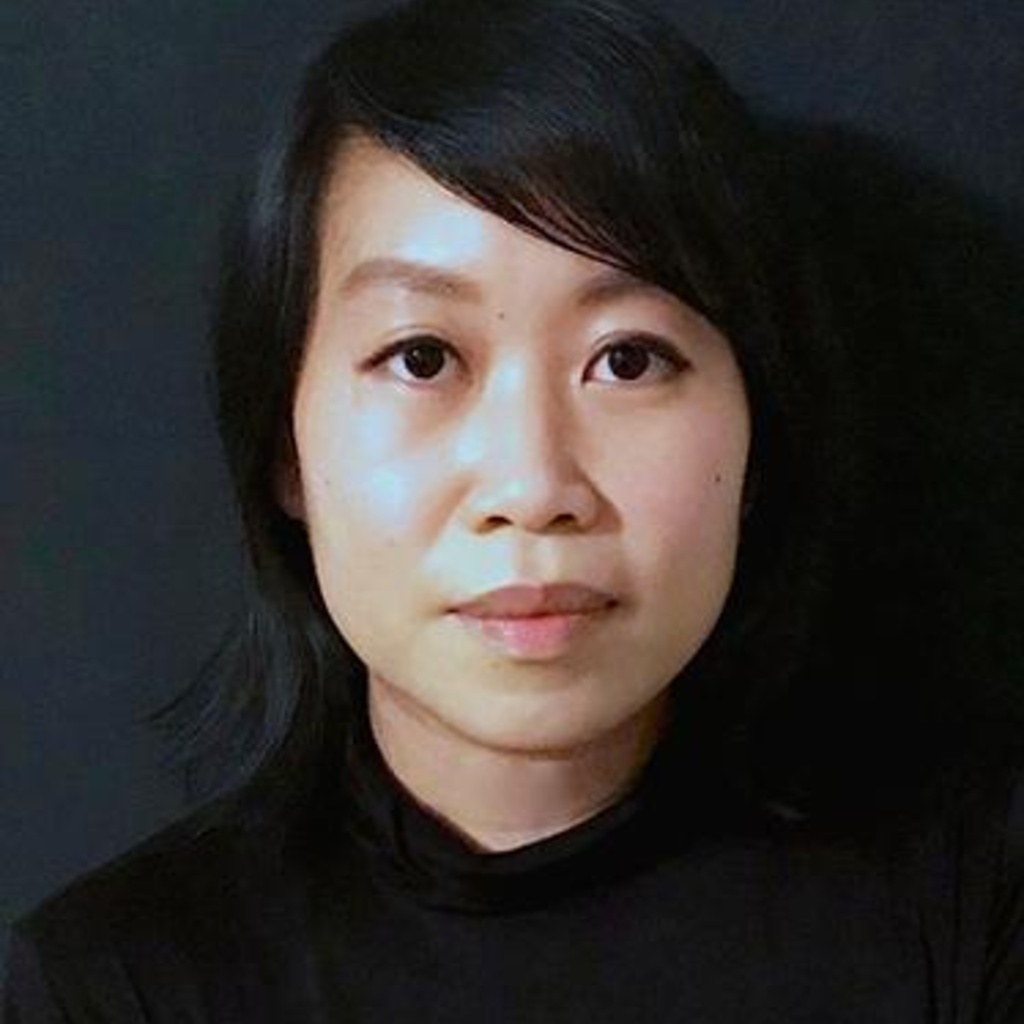
Doing History in Public: Alumni share their work beyond academe

On February 24, three University of Iowa History PhD alumni visited campus to share their current work beyond academe. All three are exemplary scholars who have earned national and campus recognition for their work. In addition to the acclaim they’ve received, what makes these alumni stand out is their work in the public sector: Karen Christianson, whose dissertation explored gender relations in a...
hands full of cash

Surveying the Effects of Political Corruption

Americans may feel they are living in an era of unprecedented political corruption. Just weeks ago, President Trump pardoned eleven people, many of whose convictions included bribery, tax fraud, and the sale of a public office. In the whirl of daily headlines, it can be easy to forget that corruption is nearly as old as democracy itself, with the ancient Greeks and Romans providing many examples...

Recent Events

The Art & Science of Attention — An Obermann Conversation promotional image

The Art & Science of Attention — An Obermann Conversation

Wednesday, March 25, 2020 4:00pm to 5:00pm
Iowa City Public Library

NOTICE: This event has been postponed. We hope to reschedule soon. Please check back.

Please join us for this free, public Obermann Conversation about attention and focus. We are living in an age of distractibility. Understanding how our brains attend and focus, as well as what we can do to cultivate attention, is necessary for our effectiveness and happiness. 

Shaun Vecera's (Psychological and Brain Sciences) overarching work attempts to understand the basic yet complex mechanisms of...

Canceled
What Can Museums Become: "Future Media of Museums" promotional image

What Can Museums Become: "Future Media of Museums"

Saturday, March 7, 2020 2:00pm to 3:30pm
Art Building West

The 2020 Obermann Humanities Symposium, "What Can Museums Become?", will bring together a distinguished group of museum directors, curators, educators and artists who will reflect on the transformative work that museums perform in the twenty-first century.


The closing keynote lecture on Saturday will be delivered by Michelle Kuo, who is the Marlene Hess Curator of Painting and Sculpture at the Museum of Modern Art. In "Future Media of Museums," she will explore the evolving impact of...

What Can Museums Become? —2020 Obermann Humanities Symposium promotional image

What Can Museums Become? —2020 Obermann Humanities Symposium

Saturday, March 7 to Monday, March 9, 2020 (all day)

Museums have never been mere containers for objects, nor should they be. How might we draw strength from existing institutions to enable vibrant futures? How can we expand the communities who feel a sense of belonging within and around museums? What must we confront and transform to make this possible? Join the artists, curators, historians, educators, and thinkers who are asking, "What Can Museums Become?"

Keynote speakers include Johanna Burton, Director of the Wexner Center for the Arts at...

What Can Museums Become, Relationality and Performance: A Critical Genealogy promotional image

What Can Museums Become, Relationality and Performance: A Critical Genealogy

Friday, March 6, 2020 7:00pm to 8:00pm
University of Iowa Main Library

The 2020 Obermann Humanities Symposium, "What Can Museums Become?", will bring together a distinguished group of museum directors, curators, educators and artists who will reflect on the transformative work that museums perform in the twenty-first century.

Friday’s Keynote lecture: “Relationality and Performance: A Critical Genealogy” will be delivered by Amelia Jones, a feminist curator who is also the Robert A. Day Professor and Vice Dean of Research at the Roski School of Art and Design at...

What Can Museums Become? —2020 Obermann Humanities Symposium promotional image

What Can Museums Become? —2020 Obermann Humanities Symposium

Friday, March 6 to Monday, March 9, 2020 (all day)

Museums have never been mere containers for objects, nor should they be. How might we draw strength from existing institutions to enable vibrant futures? How can we expand the communities who feel a sense of belonging within and around museums? What must we confront and transform to make this possible? Join the artists, curators, historians, educators, and thinkers who are asking, "What Can Museums Become?"

Keynote speakers include Johanna Burton, Director of the Wexner Center for the Arts at...

What Can Museums Become: "Museum: Space, Trace, or Place?" promotional image

What Can Museums Become: "Museum: Space, Trace, or Place?"

Thursday, March 5, 2020 4:10pm to 5:00pm
Old Capitol Museum

The 2020 Obermann Humanities Symposium, "What Can Museums Become?", will bring together a distinguished group of museum directors, curators, educators and artists who will reflect on the transformative work that museums perform in the twenty-first century.

The first keynote speaker will be Johanna Burton, whose expertise in performance studies has inflected her work as a curator, educator, scholar, and now as the Director of the Wexner Center for the Arts at The Ohio State University—one of the...