Upcoming Events
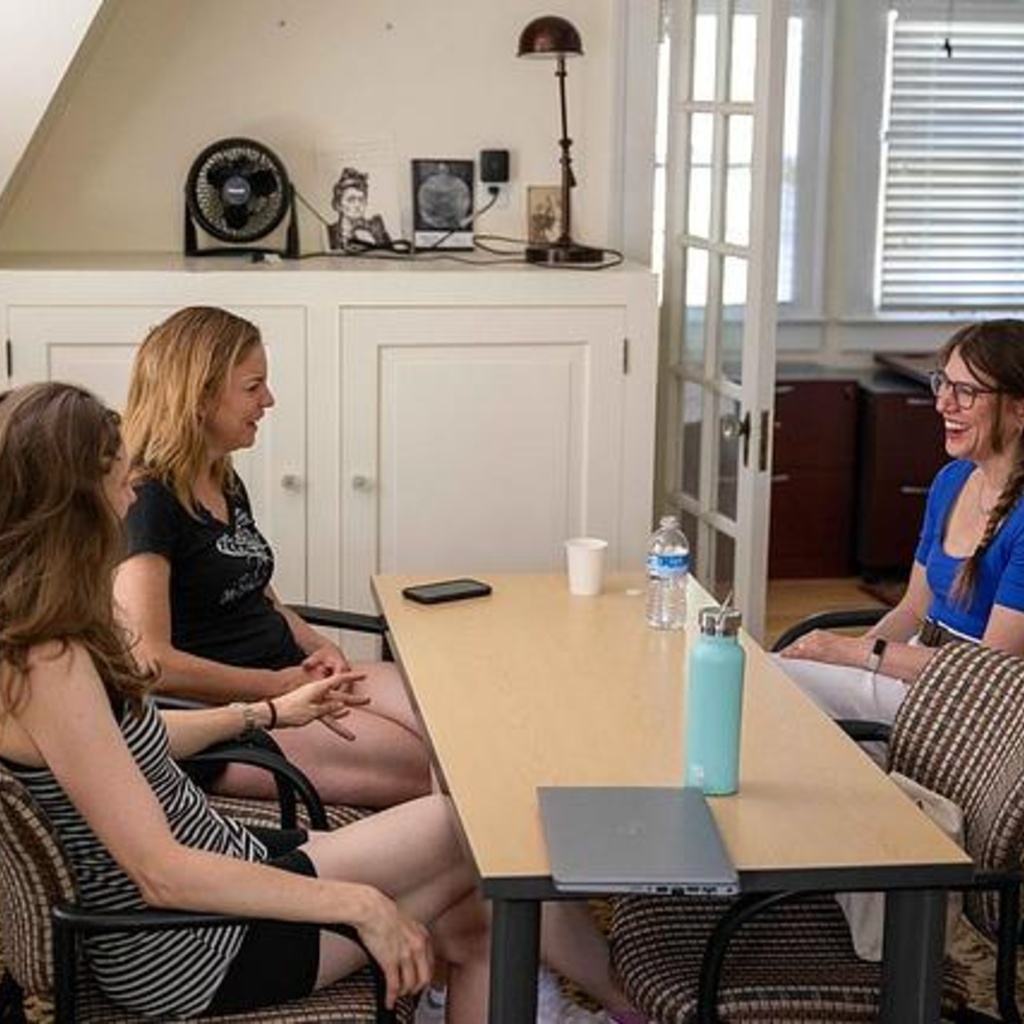
Humanities Write-In
Thursday, April 9, 2026 2:00pm to 4:00pm
The Graduate College has joined the Graduate Student Senate and the Graduate & Professional Student Government to encourage a week-long celebration of our graduate students from April 6-10, 2026.
Celebrate Graduate Student Appreciation Week with dedicated writing time and meaningful community. Join us for a focused Humanities Write-In facilitated by Grad Ambassadors, designed to offer structure, accountability, and connection for Iowa’s graduate and professional students working on any kind of...

Targeting the Psychological Roots, Not Branches, of Vaccine Confidence
Friday, April 10, 2026 3:00pm to 3:45pm
Aaron Scherer examines the psychological roots of vaccine confidence and how to communicate more effectively about science.

The DTP Vaccine and Narratives of Injury
Friday, April 10, 2026 3:45pm to 4:30pm
Tara Smith explores the history of the DTP vaccine and the narratives that shape public perception of vaccine injury.

Global Vaccines in a Time of Climate Change, Megacities, and Antiscience
Friday, April 10, 2026 4:30pm to 5:15pm
Peter Hotez addresses the global challenges facing vaccination efforts, including climate change, urbanization, and organized antiscience movements.
Spacer
Upcoming Application Deadlines
Upcoming Application Deadlines

News


Building community around rural research
A pregnant woman in rural Iowa must make so many extra decisions about her and her baby’s health. It isn’t just whether she should go to the hospital about unexpected complications, but which one. If she goes to the closest hospital, will it have the expertise to treat her? If not, will it have an ambulance that can transfer her to a more urban hospital?
One Iowa mom facing these questions inspired Stephanie Radke, clinical associate professor of obstetrics and gynecology at the University of Iowa, to found the Iowa Perinatal Quality Care Collaborative (IPQCC). IPQCC is responsible for improving communication and collaboration among groups addressing obstetrical and neonatal care in Iowa, especially in rural communities.

Beyond “Not Urban”: Andy Mink on Serving Rural Communities
As part of the 2025–2026 Obermann Symposium, Cultivating Rurality: Building Community around Rural Research (March 26–27), we’re excited to welcome Andy Mink, founding director of the Smithsonian’s Rural Initiative. In his keynote “More than ‘Not Urban’: Serving Rural Communities as Places and as People” on March 27, he'll explore how the Smithsonian is redefining itself as more than a destination in Washington, D.C., becoming a public service accessible to rural communities nationwide through collaborative, community-sourced partnerships that respond to local priorities and challenges.
In advance of his visit, Obermann Program Coordinator Maria Torres Melgares spoke with Andy about his work and the ideas he’ll bring to the symposium.

Seeking Humanities/Arts PhD Student for Program Coordinator Position, '26-'27
The Obermann Center for Advanced Studies seeks an advanced (ABD) humanities or arts PhD student to work with Obermann staff to support programs and events and tell the stories of the exciting research projects and initiatives supported by the Center during the 2026–2027 school year.
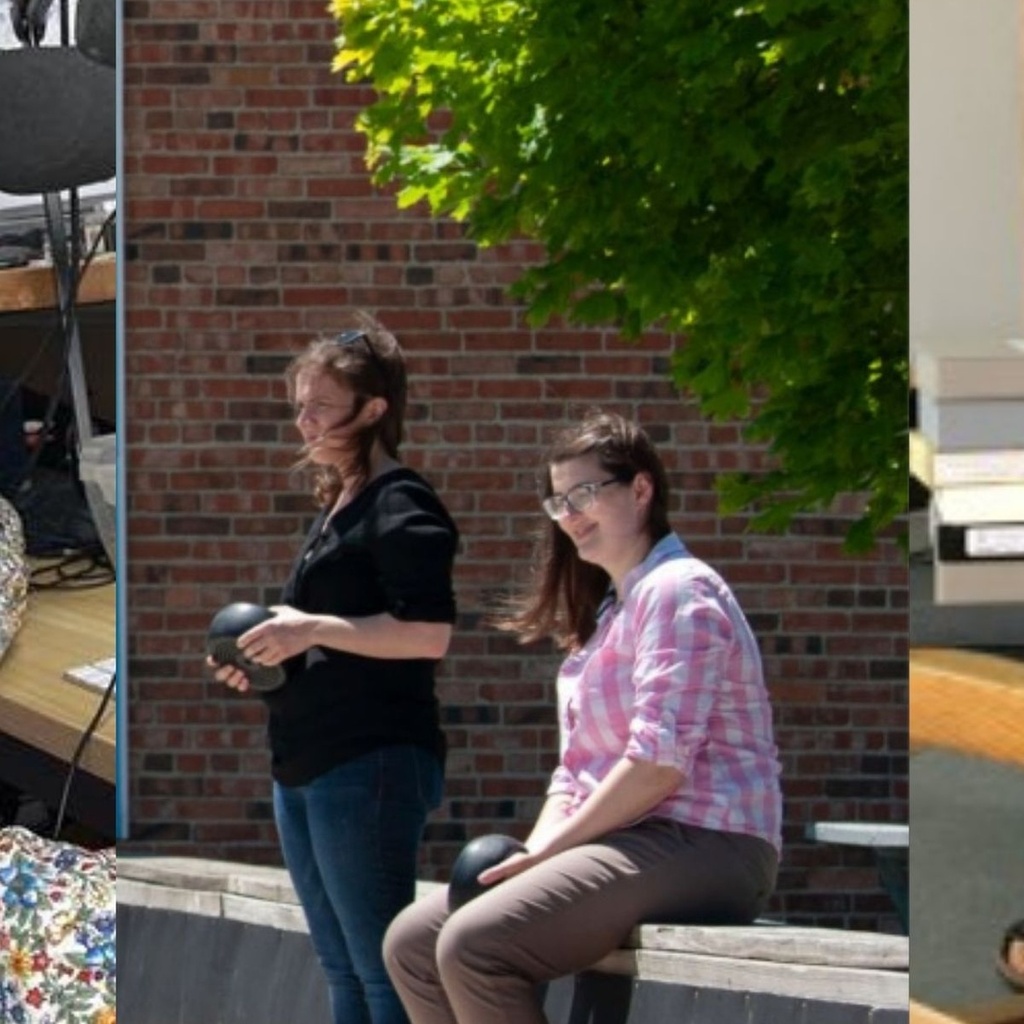
Six paid summer internships available to humanities grad students through new grant
As a graduate student in film and media, internships were a formative experience for Lauren Burrell Cox, associate director at the Obermann Center for Advanced Studies. They helped her define her values and identify meaningful professional roles where her skills could be put to use across the humanities ecosystem. Now, she’s received a grant from Humanities Without Walls (HWW) to provide six paid internship opportunities with local nonprofits for UI humanities graduate students this summer.
“My goal is to make sure that humanities graduate students are equipped with robust, transferrable skills and access to pathways that lead to secure and fulfilling work,” says Cox.
The three selected nonprofits have hosted successful internships and externships in the past, through the Obermann Center’s Mellon-funded Humanities for the Public Good initiative and the Obermann Humanities Without Walls Faculty Externship. Each site will host two HWW interns this June and July.

The Texture of Memory: Pervin Saket's Project to Preserve Parsi Heritage
Imagine a small boat on large, dark sea. Imagine families of refugees, with small children and smaller bundles of belongings. Imagine them braving storms and starvation and shipwreck. It sounds like something from yesterday’s news report, but this historical exodus took place between the 8th and 11th centuries CE, when Arab Muslims conquered the once-expansive Persian Zoroastrian empire. Faced with religious persecution, groups of Zoroastrians escaped in boats and landed on the shores of Gujarat in India.
Pervin Saket’s project as an Obermann International Fellow focuses on this community, her community, in modern-day India. Zoroastrianism, the world’s oldest monotheistic religion, is now practiced by only a handful of people, and that too is threatened by extinction. Saket says, “In the version I learned on my grandmother’s lap, the Parsis (literally “people of Pars or Persia”) were taken to the local king when they washed up on the shores of Gujarat. Suspicious of the foreigners, he showed them a bowl of milk filled to the brim, to indicate his land was full. The Parsi leader responded by sprinkling a few grains of sugar on the milk. I suspect that the king had a fondness for good metaphors."


