Spacer
378
89
Letter from Our Director
Luis Martín-Estudillo
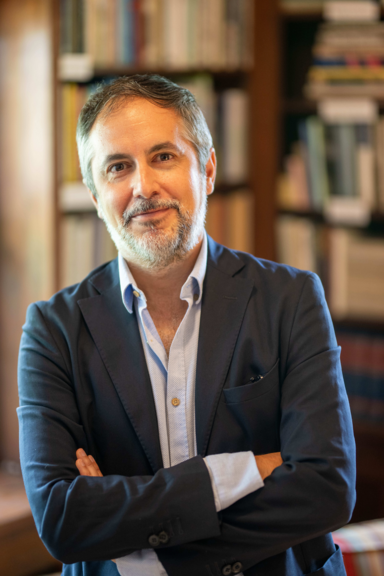
As the distinguished sociolinguist that she is, my dear colleague Mercedes Niño-Murcia must have been long aware of the immense power hidden in a casual hallway chat. More than two decades after I joined our university as an assistant professor fresh out of graduate school, I’m increasingly convinced that the way she and other great linguists who were my senior colleagues (such as Judy Liskin-Gasparro and the late Paula Kempchinsky) cultivated informal conversations was an essential element of their mentoring. They carried it out unceremoniously yet effectively. Unbeknownst to the two rookies in the department, myself and my friend Jason Rothman (these days doing fascinating work on psycholinguistics and cognitive science at the University of Lancaster, UK), our experienced colleagues were not just chit-chatting with indolence as we, ambitious and impatient newbies, tended to think then. They were passing along key institutional knowledge—of the kind that you could not acquire otherwise. Something tells me that without Mercedes’s practical lessons on the coffees of her native Colombia or Paula’s CD recommendations (for Baroque music: CD as in compact disc, not “career development”) my life as a professor would have been more challenging and certainly poorer.
I doubt that Judy, Mercedes, and Paula had explicitly planned that approach to integrate us into the department, but I’m quite sure that with it they were partaking of a long tradition which is fading and has no clear replacement. As working habits change, established forms of socialization disappear, and we risk losing practices that are important for the success of new generations of researchers. One of the less visible strategies of the Obermann’s programming is to promote intergenerational connections. While our interdisciplinary efforts are usually obvious, creating opportunities for meaningful exchanges between individuals at different stages of their careers—especially between junior and senior faculty—is something we are very intentional about. We do it because it can be transformative for those scholars, but it is also essential for the advancement of the university’s mission. Zoom calls have great advantages which can make us forget the less targeted yet equally engaging chats by the coffeemaker.
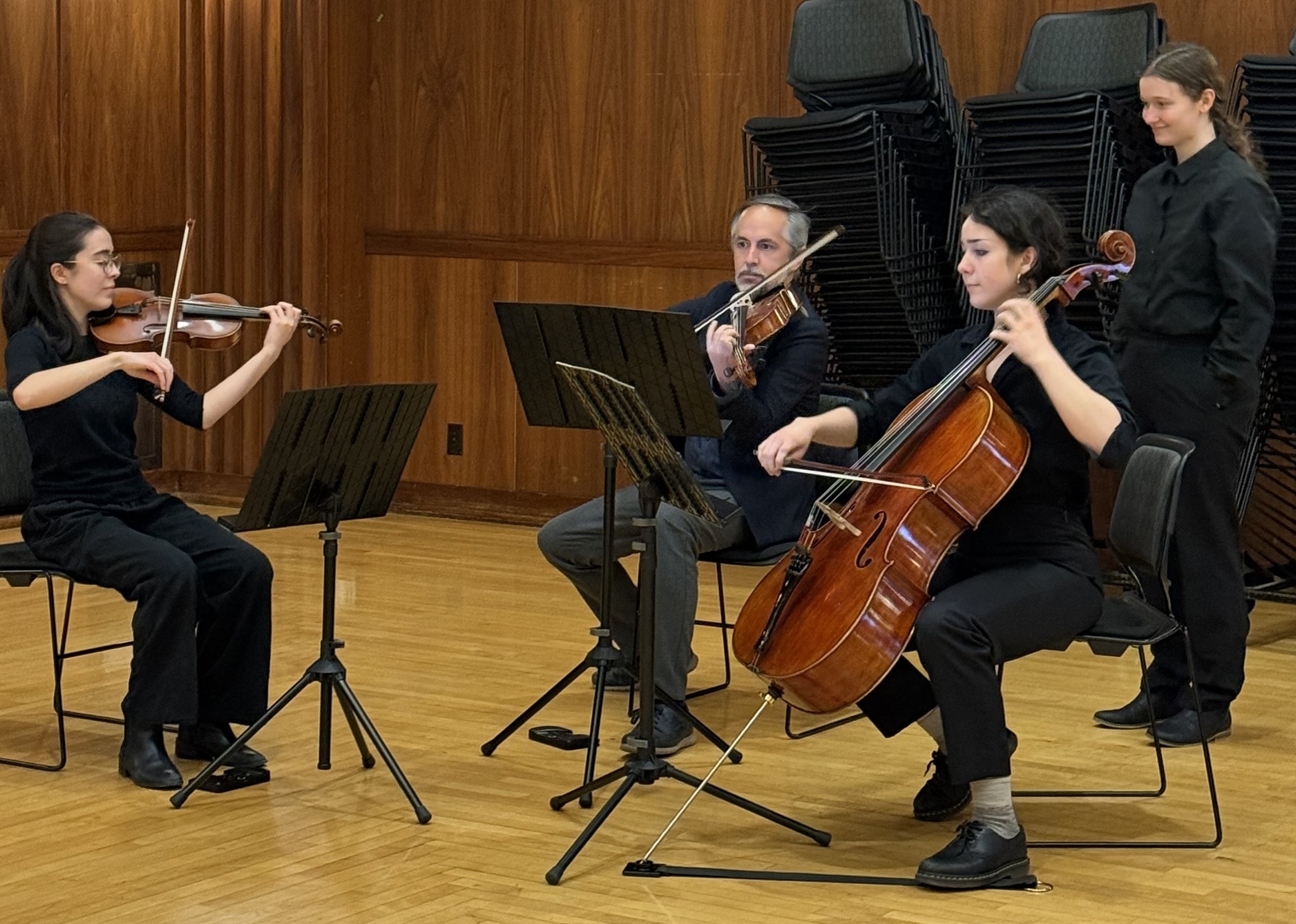
We have newly designed or revised Obermann programs with an eye to fostering intergenerational connections, and not just among faculty. This past year, fantastic undergraduate students mesmerized me with their questions for our Editor-in-Residence, their eagerness to participate in our End-of-Year Writing Retreat, and their memorable performances at the first concerts hosted at the center’s library. There they were enthusiastically applauded by an engaged audience of emeritus faculty members, whom we are inviting regularly to make sure we can mutually enjoy their everlasting curiosity and wealth of experience. Our annual symposia and Working Groups are two other programs that thrive on the collaboration of graduate students and junior and senior faculty from multiple programs. Thus, intergenerational alliances are becoming a silent but essential hallmark of the Obermann Center. I can almost hear Paula Kempchinsky, who left us too early, saying from her desk—the office door always wide open—in a half-mocking, approving tone: “That’s it, kiddos. You got it right for once.”



How Obermann Supported Scholars
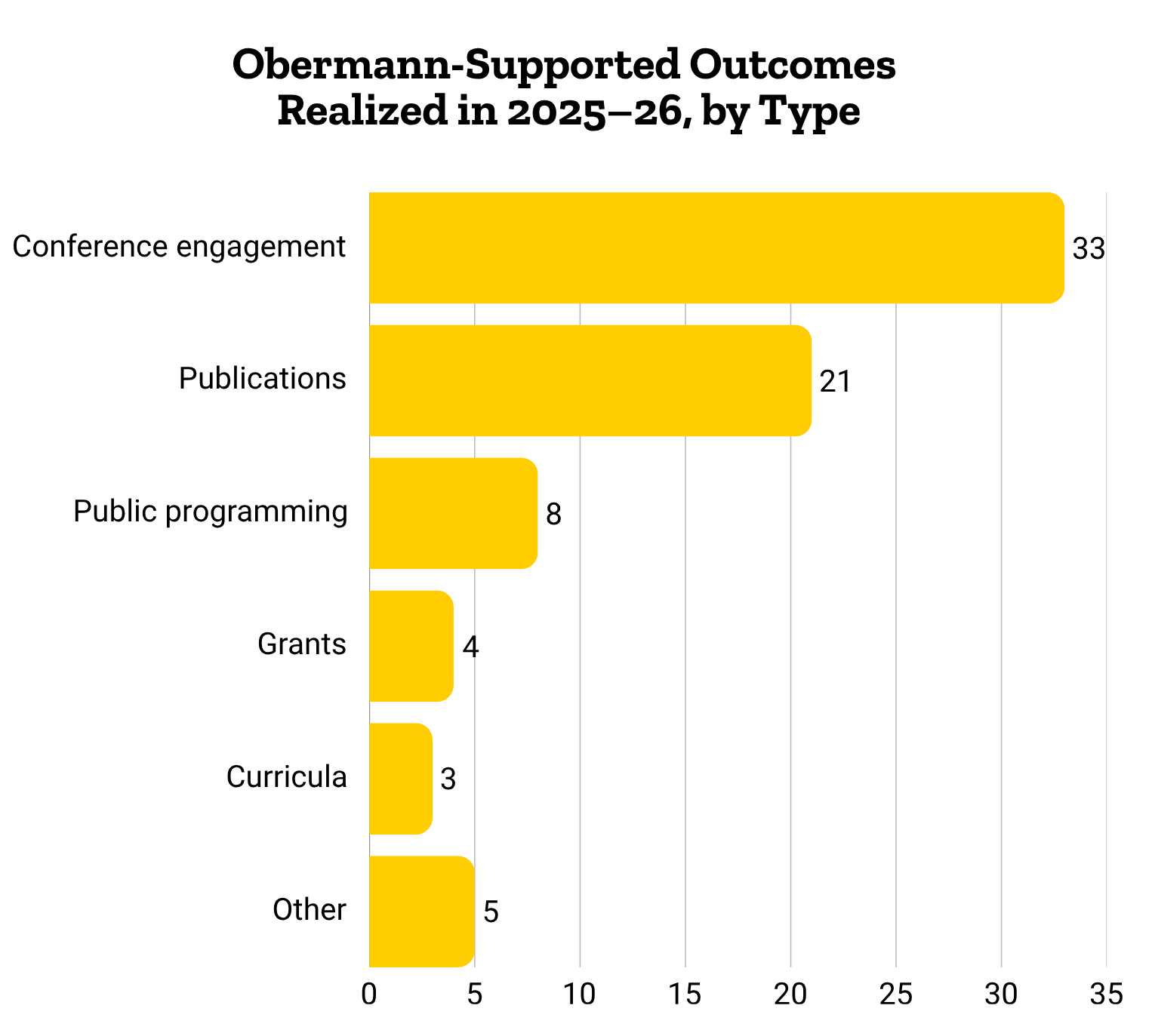
Each year, we ask scholars who have participated in our programs during the previous five years to share the publications, presentations, grants, courses, public events, and other achievements that grew from their work. The chart to the right summarizes 74 outcomes that were realized during 2025–26 and reported in this year’s survey.
Because reporting is voluntary, these figures represent only the outcomes shared with us—not the full reach of Obermann-supported scholarship.
Obermann Working Groups
At Obermann, we recognize that collaboration is critical for scholarly inquiry, whether it's co-authoring a grant application or a journal article, discussing each other's work-in-progress, or co-creating a new course or work of art. Our program assessments continually show that connection with colleagues plays a strong role in the retention of Iowa faculty members. Working Groups are one of Obermann's longest-running and most generative programs.
In 2025–26, we hosted 16 Obermann Working Groups, each comprising faculty, staff, graduate students, and community members from various disciplines. Some groups presented at conferences and wrote articles together. Some hosted campus events featuring visiting speakers. All provided rich conversations and readings that advanced their members' individual scholarship.
This year, Working Group collaborations led to:
- 2 books
- 25 journal articles and conference papers
- 2 new courses
- 2 grants
We also celebrate the fall 2026 launch of the UI's Writing Enriched Curriculum Pilot Program, a step toward integrating writing and communication into every discipline at the UI. The program is a collaboration between the Office of Writing and Communication, the Writing Center, and the College of Liberal Arts and Sciences, with additional support from the School of Journalism and Mass Communication, the Obermann Teaching with Writing Working Group, the Center for Teaching, and the Office of Teaching, Learning, and Technology.
180

"The Obermann Center provides both the institutional home and the collegial atmosphere that make our cross-disciplinary work possible. Its support—in terms of meeting space, funding for books and honoraria, and the broader community of humanistic inquiry it fosters—is essential to our structure and our spirit."
This year, several groups hosted successful public events, among them:
- Second Annual Mental Health and Well-Being Pecha Kucha: Engage the Innovators (Nov. 13, 2025) — hosted by the Reconceptualizing the Mental Health Crisis in Higher Education Working Group. This workshop featured quick, engaging presentations by campus mental health and well-being innovators to provide attendees new ways of thinking about their work from a mental health and well-being lens.
- 2025–26 Writing Across the Disciplines Symposium — hosted by the Teaching with Writing Working Group. The symposium featured campus visits by three nationally known scholars with expertise in writing across the disciplines, who presented their research, led workshops on different kinds of writing-across-the-disciplines programs, and facilitated discussions between faculty and administrators on best practices and assessment methods.
- "Wildly Successful: How Nature Makes Kids
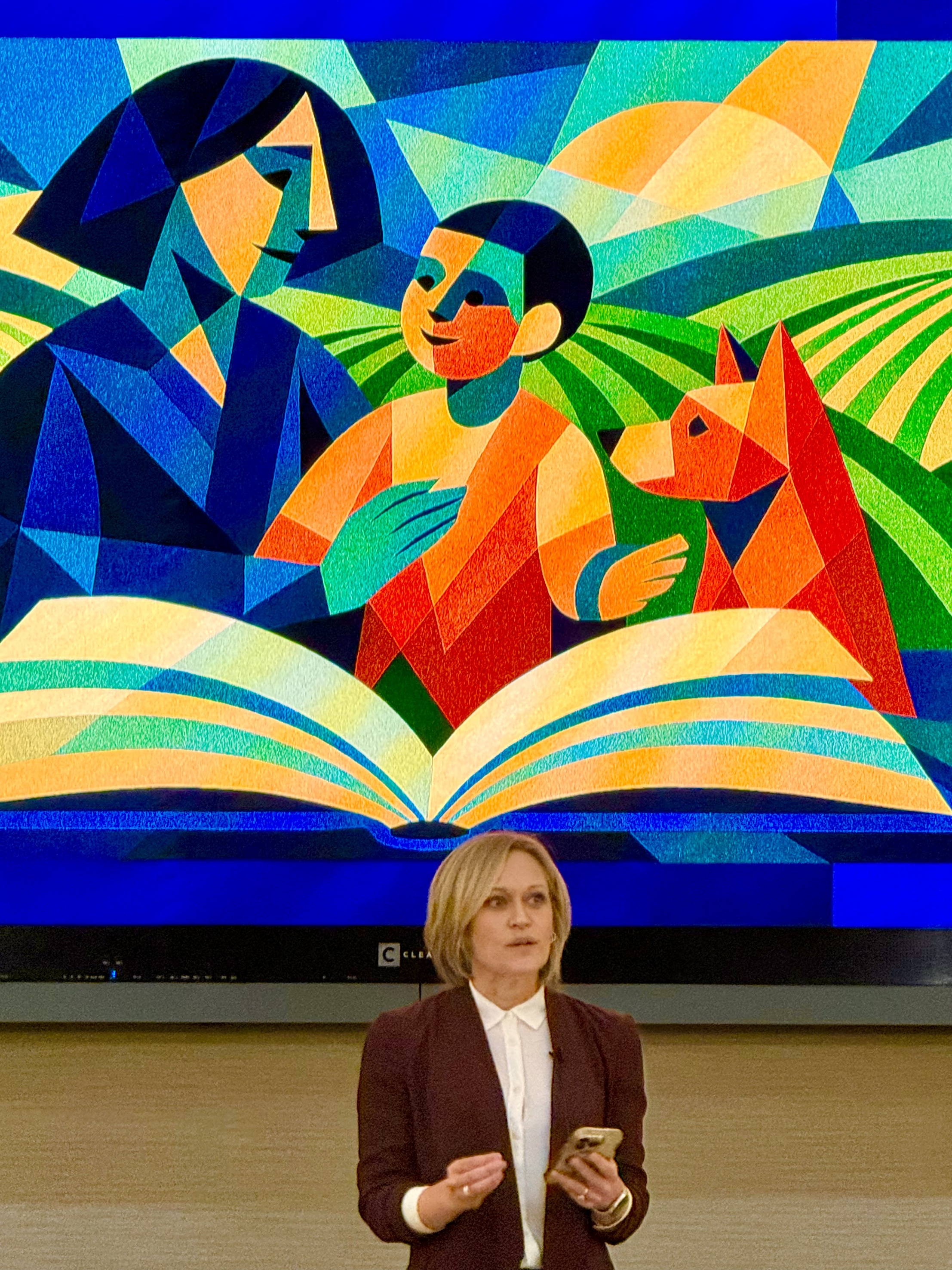
Healthier, Happier, and Smarter" (April 24, 2026) — hosted by the Unbound: Learning Without Limits Working Group. This public event featured pediatric neuropsychologist Cathy Jordan (University of Minnesota, Twin Cities) discussing her research on the powerful role of nature in supporting children’s health, happiness, learning, and development. - Panel on Informal Learning Environments (Feb. 27, 2026) — hosted by the Unbound: Learning Without Limits Working Group. This event featured representatives from several informal learning organizations across the Iowa City community, who explored how different community organizations design and support learning experiences outside of traditional classrooms.
Dis/Comfort: Confronting Histories of African Art in the United States — curated by the Museum Futures Working Group, in collaboration with students enrolled in Cory Gundlach’s fall 2025 course, “Curating African Art in America.” The exhibition runs from May 2026 through spring 2027 at the Stanley Museum of Art.
- Project on Rhetoric of Inquiry (POROI) Seminar with Kathy Lavezzo (Oct. 21, 2025) — hosted by POROI. The POROI board of directors, guests, and interested faculty and graduate students met with Lavezzo (English, CLAS) to discuss her work-in-progress, a book on J.R.R. Tolkien's legacy and impact on counterculture across the globe.
- Guest lectures by Chandra Russo (Colgate University), Karida Brown (Emory University), and Jessica Calarco (University of Wisconsin–Madison) — hosted by the Race Workshop Working Group.
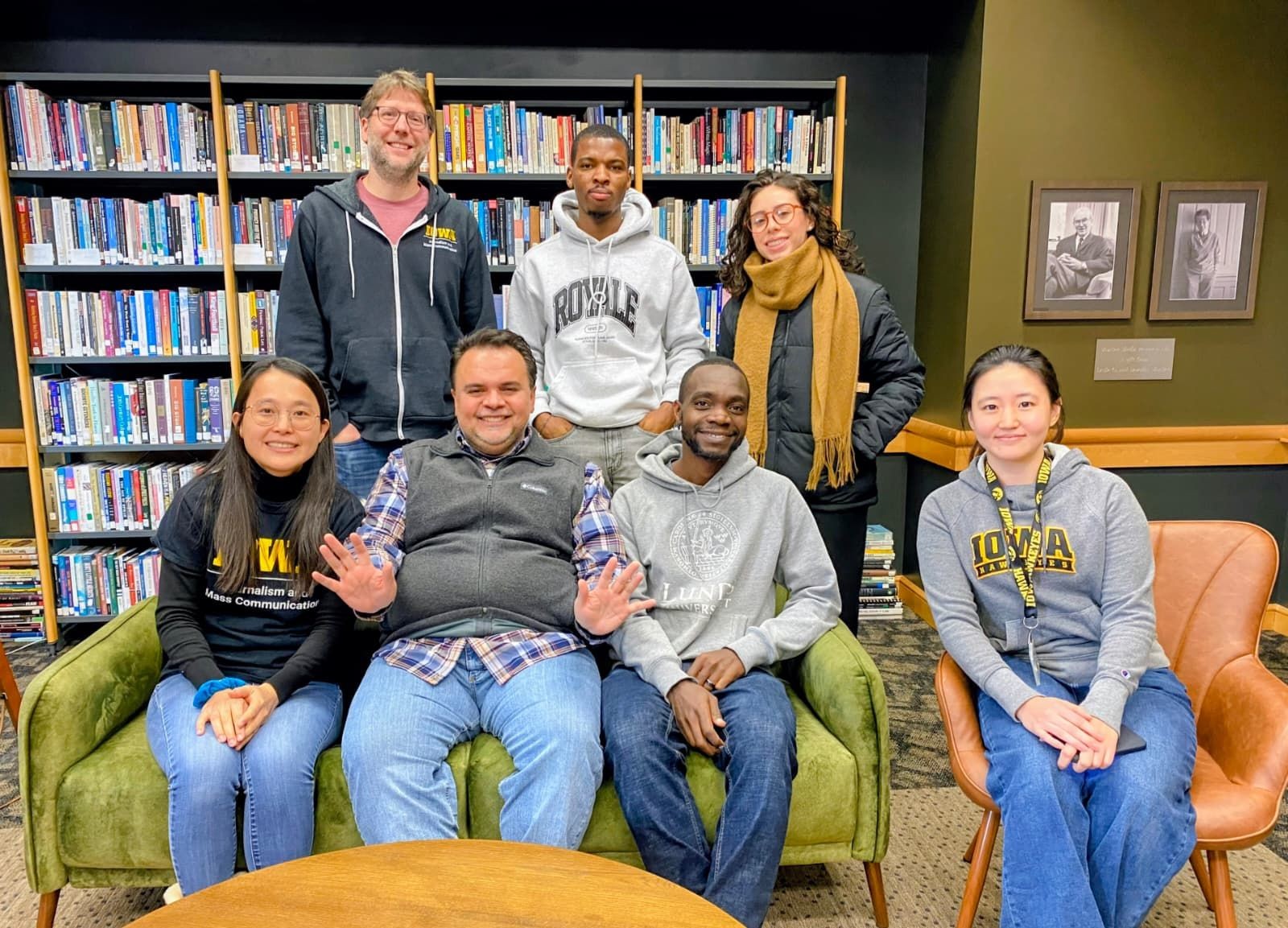
In the News




Public Programs' Reach
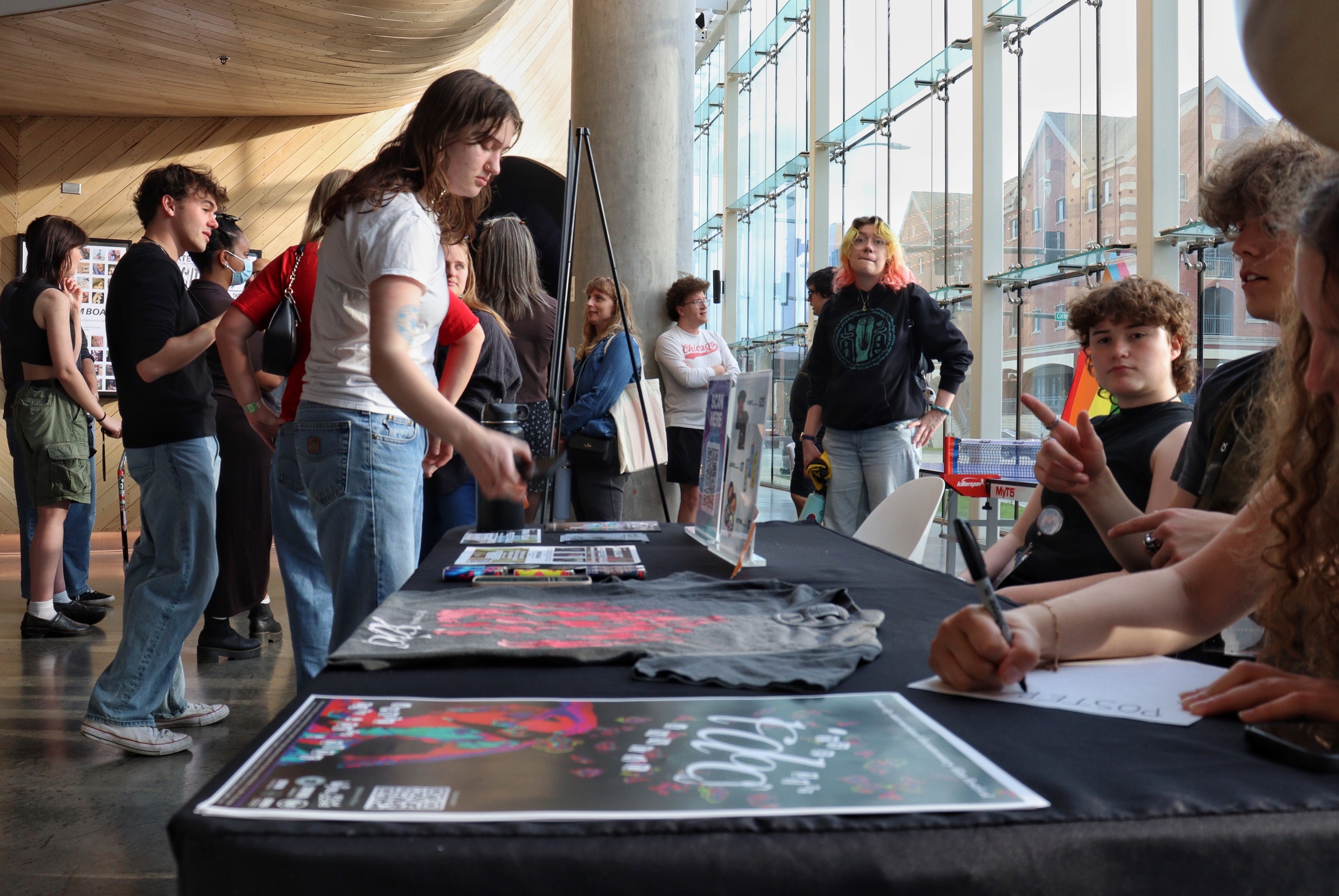
Public components of our Obermann Symposium, Editor-in-Residence, Wide Lens, and emeritus events brought together community members with UI scholars for cross-disciplinary dialogues.
These gatherings extended Obermann’s work beyond the seminar room, inviting students, faculty, staff, visiting scholars, and community members into conversations about the role of the arts, humanities, and interdisciplinary scholarship in public life.
From lectures and readings to workshops and cross-disciplinary dialogues, these programs created welcoming spaces for learning, exchange, and connection across campus and beyond.
653
Wide Lens
The Wide Lens series highlights the breadth and depth of research happening at the University of Iowa. By bringing together scholars from wide-ranging fields, the annual event showcases innovative projects and fresh perspectives, encouraging dialogue across disciplines. It also offers the campus and wider Iowa City community the opportunity to engage with the vibrant, dynamic research culture that defines the UI.
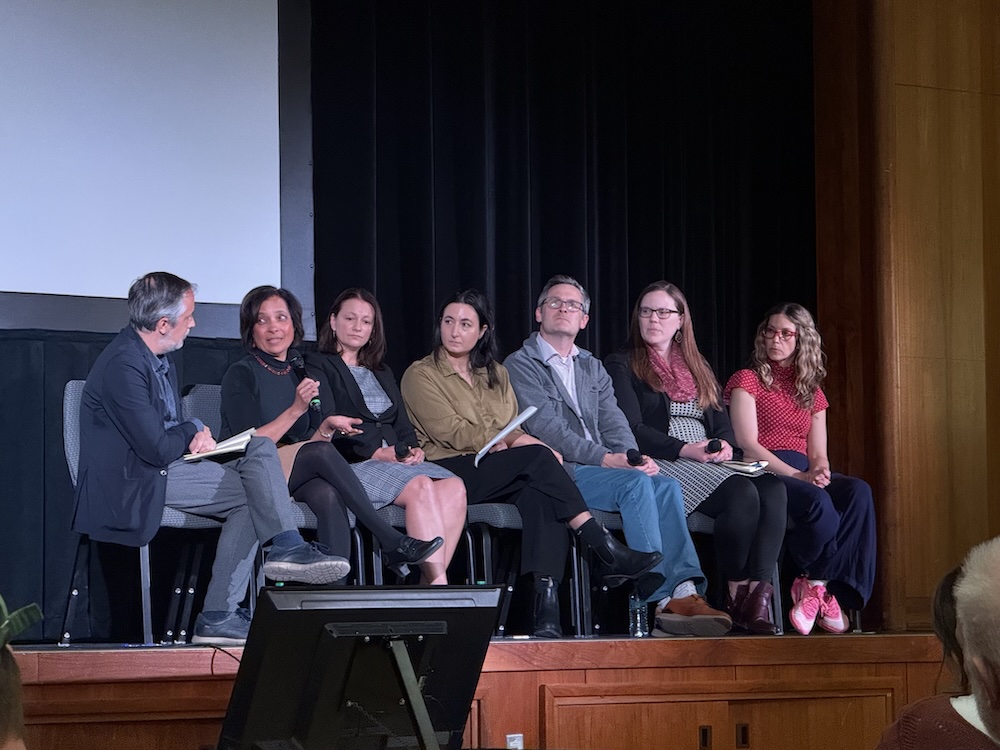
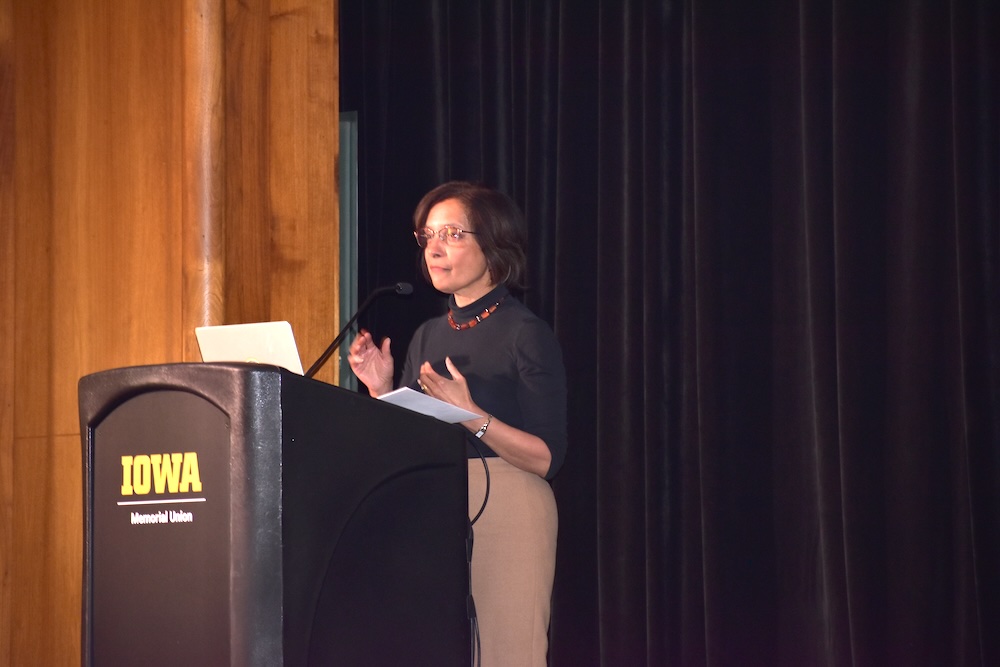
Our Wide Lens event on May 6, 2026, featured multidisciplinary perspectives on conflict and resolution. Six artists, scholars, and researchers from the College of Liberal Arts and Sciences and the College of Education shared rapid-fire versions of their research with a public audience at the IMU International Ballroom.
60
Faculty presenters:
- Stephanie DiPietro, Sociology and Criminology, CLAS: "Only the Dead Have Seen the End of War: Life Course Legacies of Conflict"
- Meenakshi Gigi Durham, School of Journalism and Mass Communication, CLAS: "Little Fires Everywhere: Feminist Scholarship as a Bridge to Conflict Resolution"
- Andrew Forbes, Biology, CLAS: "How to Succeed When Predators Are Everywhere"
- Johanna Kasimow, Theatre Arts, CLAS: "Staging Conflict"
- Elizabeth Menninga, Political Science, CLAS: "Building Trust in the Shadow of War"
- Allison Rowe, Teaching and Learning, College of Education: "Just Crushing: Civic Discourse through Collaborative Destruction"
In her presentation, sociologist Stephanie DiPietro explored how the experience of growing up in a war zone can reverberate across a lifetime and why people who endure similar circumstances may follow very different paths:
"Perhaps the most striking observation from my work was the divergence in life trajectories that emerge from shared experiences [of war]. Even under remarkably similar conditions of violence, loss, and deprivation, some individuals demonstrate profound resilience while others struggle to recover. ... For those who were faring well in adulthood, their life stories were imbued with themes of catharsis and resilience; they found meaning in what they had endured. For those who were not faring well, their narratives were often distinguished by themes of persecution and exile. The war was the lens through which they continued to see the world decades later."

School of Music students Elizabeth Kerr, Andrea Allen, and Renee Santos provided music before and after the event.


Obermann Symposium
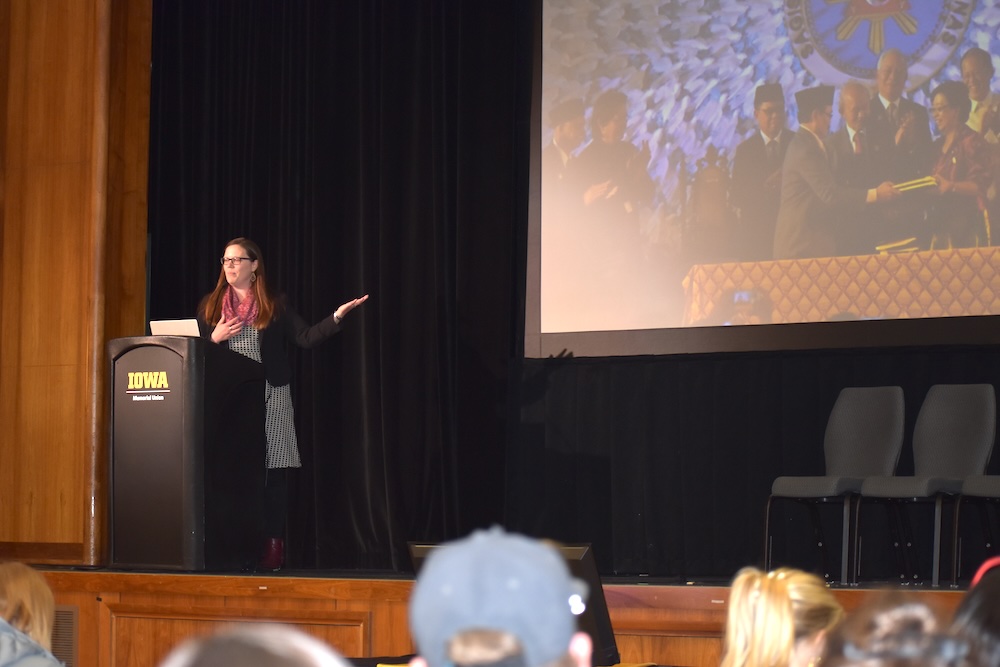
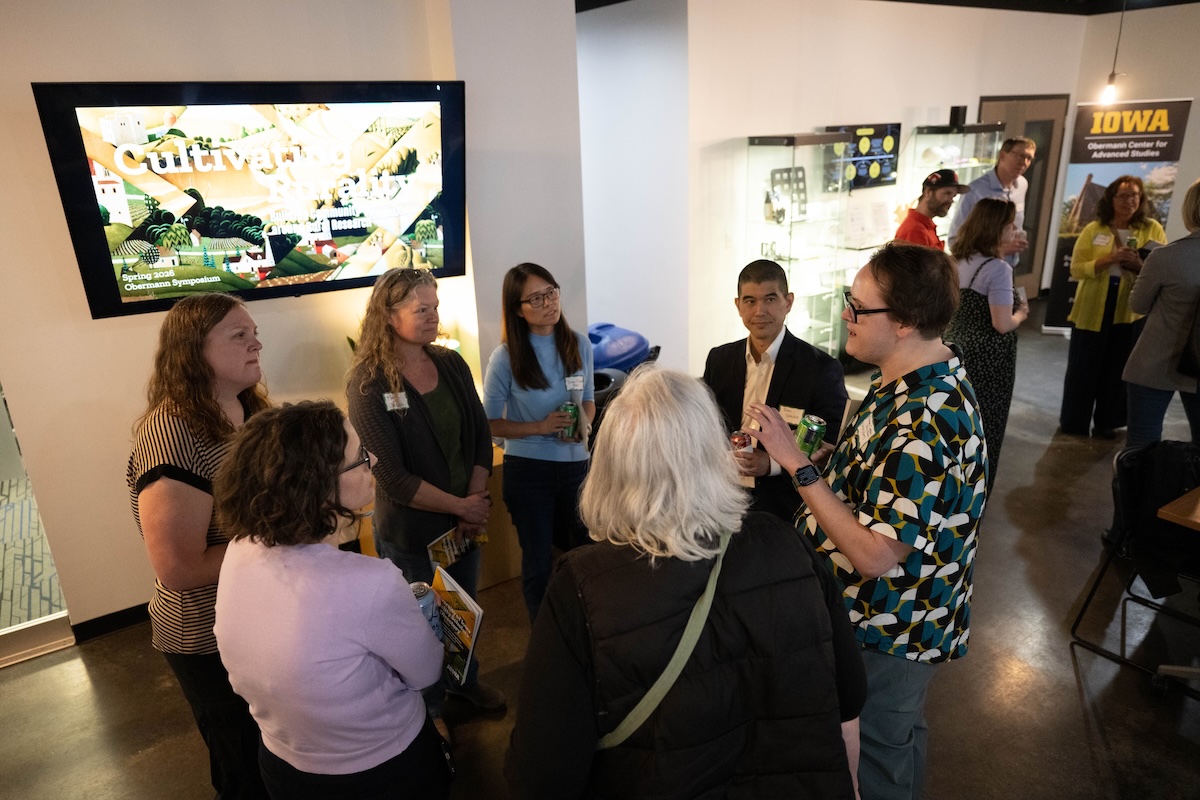
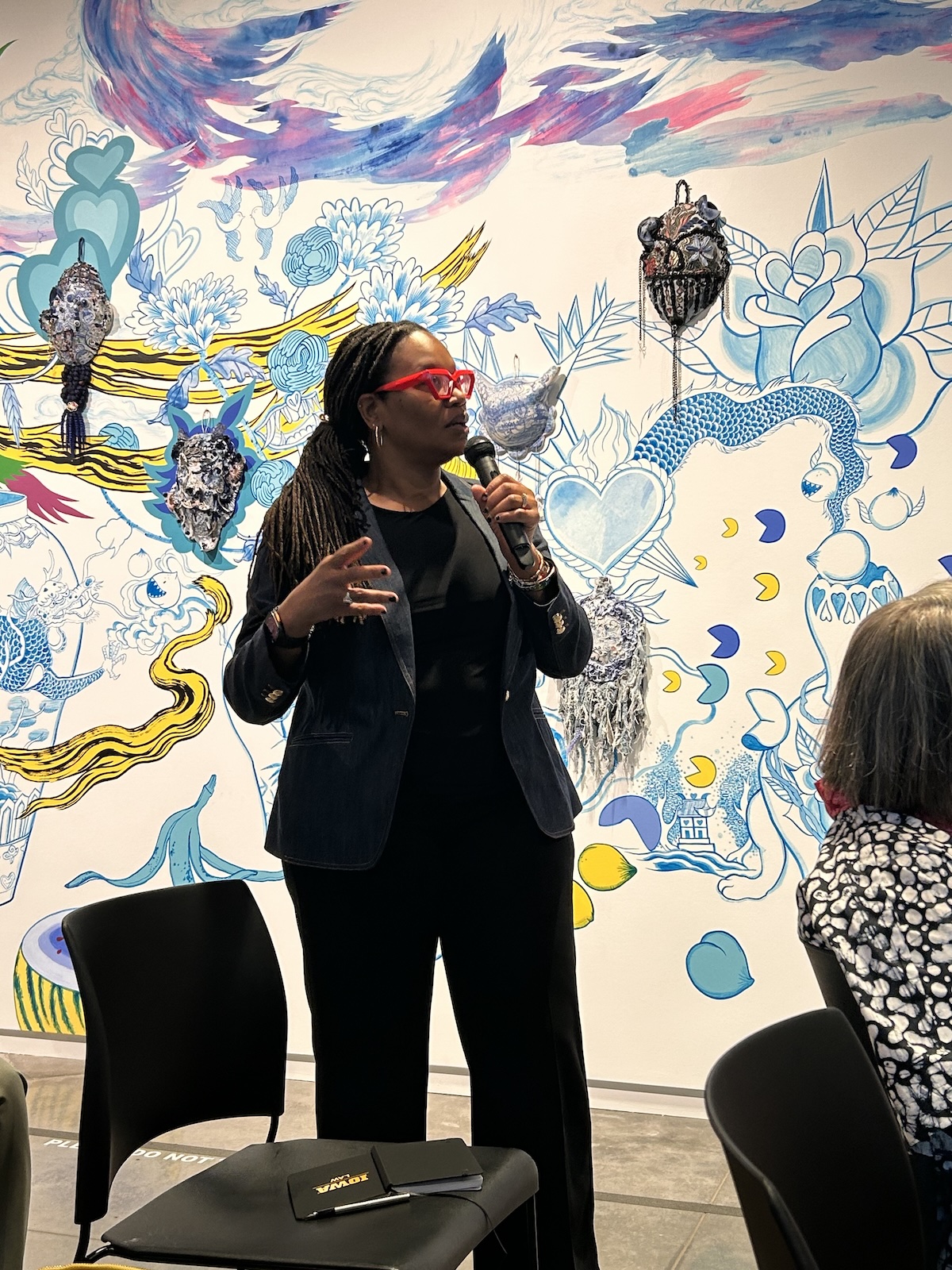
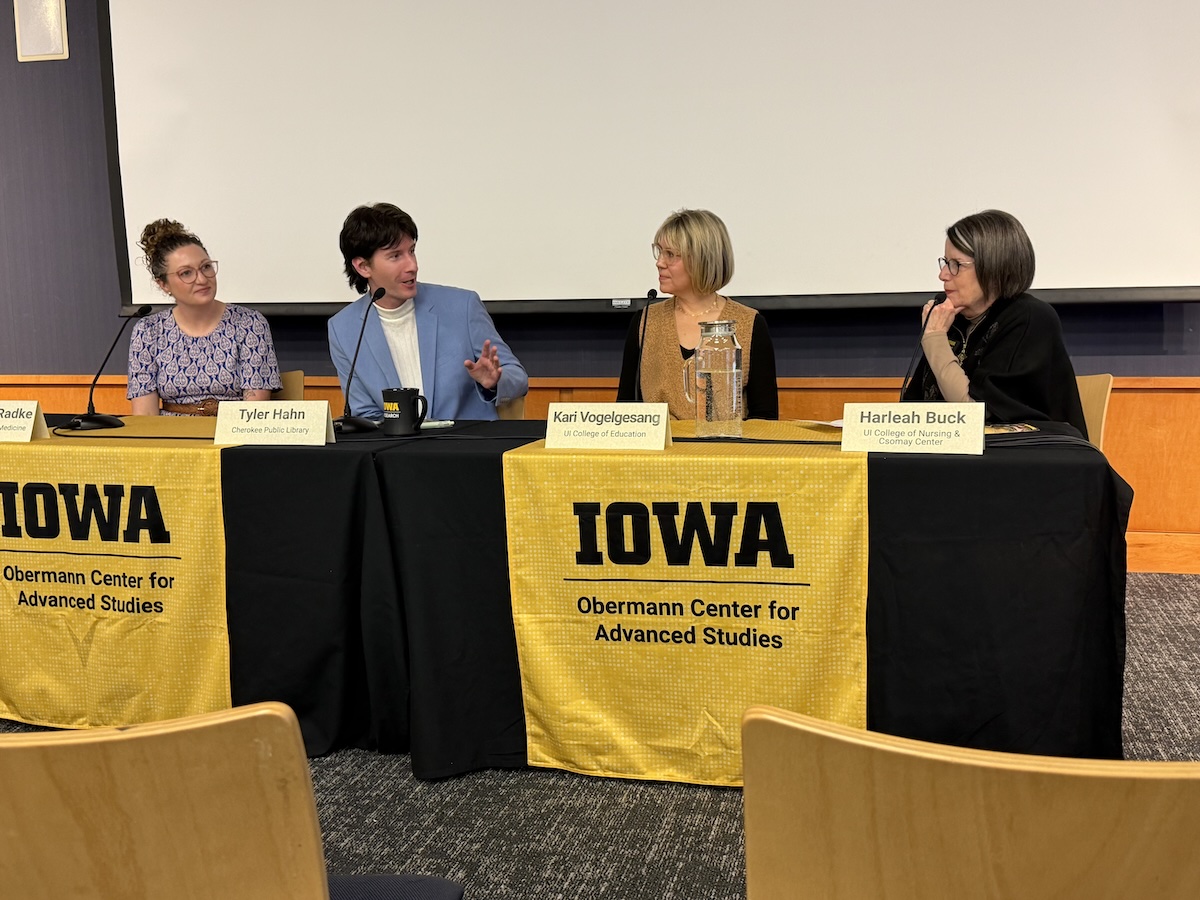
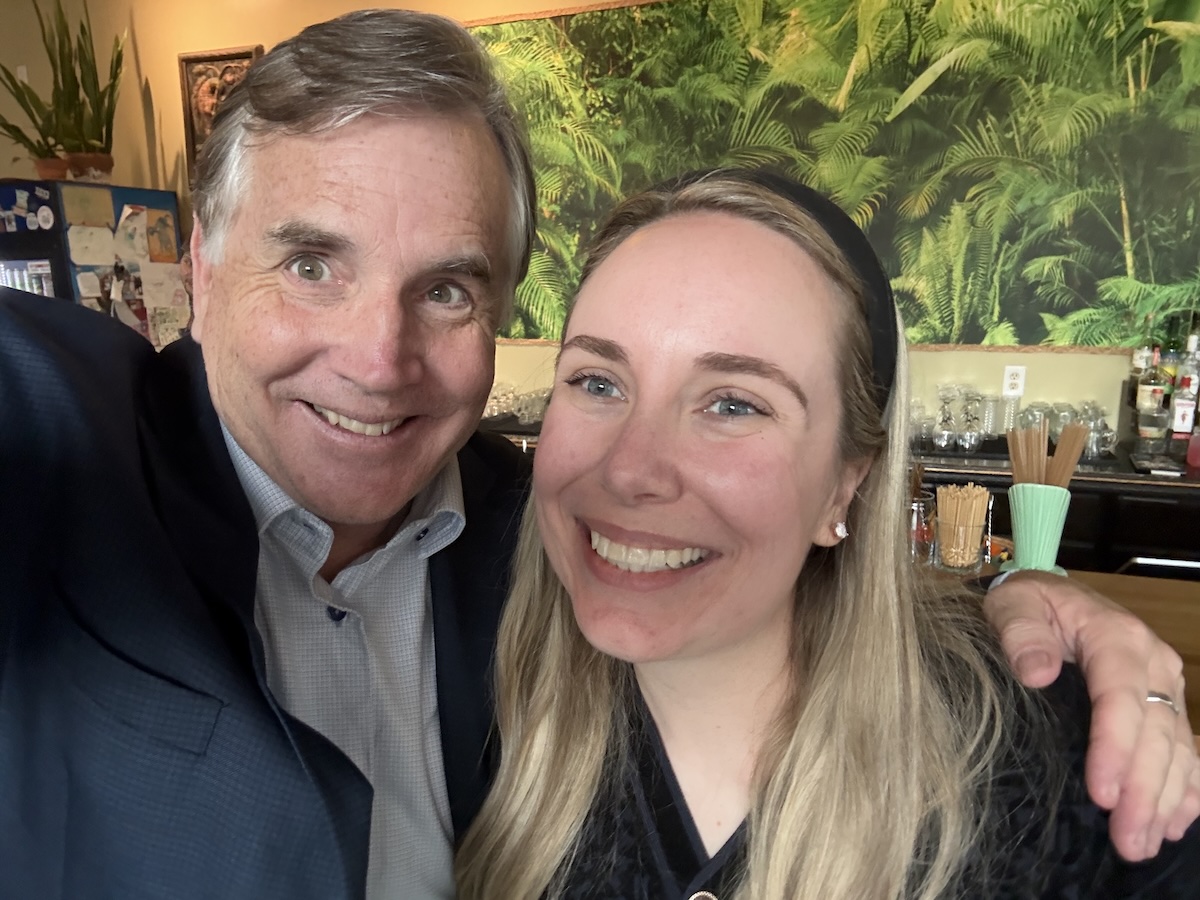
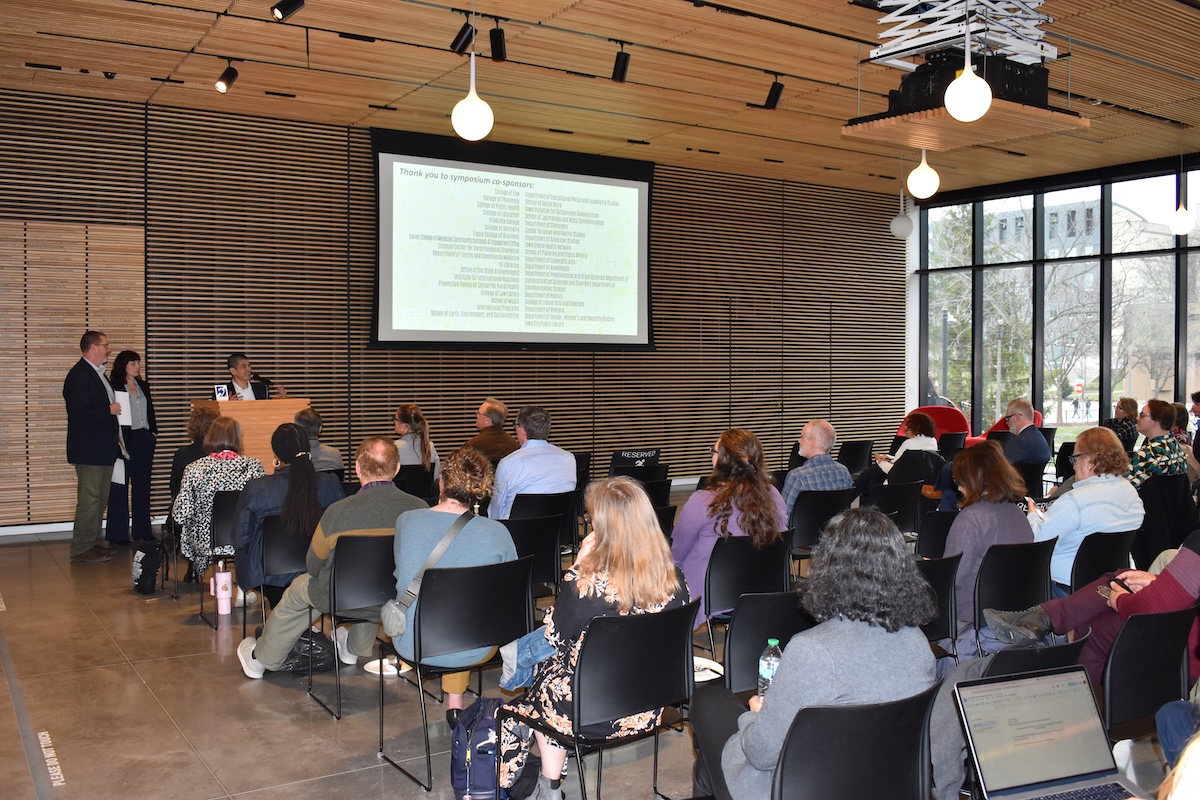
Our 2025–26 Obermann Symposium, Cultivating Rurality: Building Community around Rural Research, brought together scholars, community leaders from across the U.S., and professionals who work with rural populations and in rural spaces. During the symposium, attendees were invited to collaborate in theorizing rurality, share how it impacts their work, examine how rurality is represented and celebrated, and discuss challenges faced by rural communities. Directed by Brian Farrell (College of Law), Daria Fisher Page (College of Law), and Ryan Sakoda (University of California Berkeley College of Law), the symposium had a record number of co-sponsors.
Cultivating Rurality aimed to identify and connect faculty members and others at the University of Iowa already engaged in rural research and teaching, and also included several events open to the public. Participants left the symposium with new scholarly tools and professional connections to more effectively address interdisciplinary issues of rurality in the future.
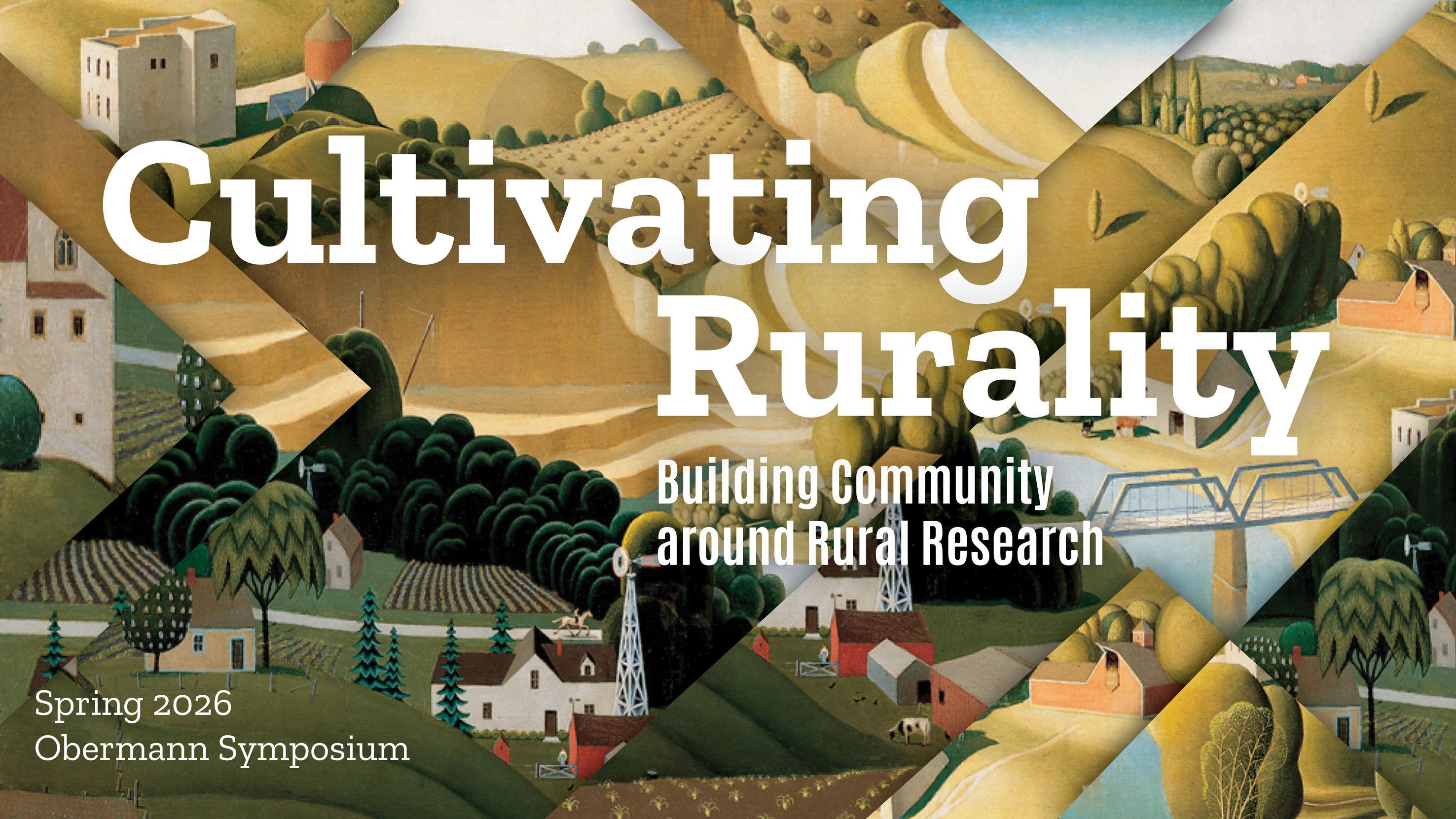
The Obermann Symposium took place over two days: March 26 and 27, 2026.
490
38
"The symposium was exceptionally well-organized and exemplary in its effort to facilitate conversations between scholars and practitioners from different fields; such conversations are not easy, but the way the panels had been prepared ensured that they were focused and structured in such a way that they yielded more than just a series of unconnected perspectives."
"Conversations across disciplines reinforced the importance of considering rural places seriously as sites of historical agency, cultural production, and intellectual effort, rather than reducing them to problems that need explanation or fixing. The symposium also highlighted the importance of community-engaged approaches and collaboration, which will influence how I design courses and approach future research projects."
"The symposium caused me to think about rurality outside our local context. It also caused me to apply a strengths-based framework to understand things that I'm seeing in rural areas. The networking social was great; I met new people from across campus and strengthened existing connections."
Photos from the Symposium




Small Important Project (SIP) Grants
The variety of the projects supported by the Obermann’s new Small Important Project Grants (SIP) program is a testament to the scope of the university’s contribution across disciplines. From experiments in quantum thermodynamics to analyzing the impact of generative AI tools on learning; from commissioning a new translation of centuries-old text in Yiddish to organizing a two-day costuming and props tutorial for a screenwriting class, all types of initiatives by UI faculty have been funded during the pilot year of this program.
The results have been concrete and wide-ranging:
- accepted, submitted, and published manuscripts
- public-facing exhibitions, performances, and publications
- focus groups, pilot studies, datasets, analyses, posters, and survey instruments
- new collaborations among faculty, graduate students, undergraduates, community partners, and external practitioners
Beyond the range of topics, the program's responsiveness is another differentiating factor: the researchers usually receive a response to their applications within two days, which allows them to address unexpected challenges as they work.
21

"The Small Important Project Grant from the Obermann Center enabled me to finish a crucial step in post-production on my short film, Avalanche, which I shot in summer 2025. I worked with film and video production graduate and incoming Theatre and Directing MFA candidate, Arman Hodasefat, to edit the film ... Thanks to this grant from the Obermann Center, I can finally see the film I wanted to make."

“Having these grant funds available has offered a rare opportunity for concentrated co-work, which I believe is incredibly undervalued in ethnographic disciplines.”
Counterpoint
Obermann hosted the second event in the Counterpoint public conversation series, "The Fourth Age of Life: The Challenges of Aging and the Joys of Connecting" on Oct. 1, 2025. It featured
- Mercedes Bern-Klug, professor in the UI School of Social Work (CLAS), and
- Amy Colbert, professor of management and entrepreneurship and University of Iowa Distinguished Chair in the UI Tippie College of Business.
The two explored the diverse ways we live, adapt, and flourish in our later years. Against the backdrop of a growing loneliness epidemic among older adults, they discussed
- the health and social benefits of nursing home care;
- the challenges facing residents, families, and staff at these centers;
- the vital role families and communities play in older adults’ lives; and
- the opportunities for connection and personal growth that continue throughout our later years.
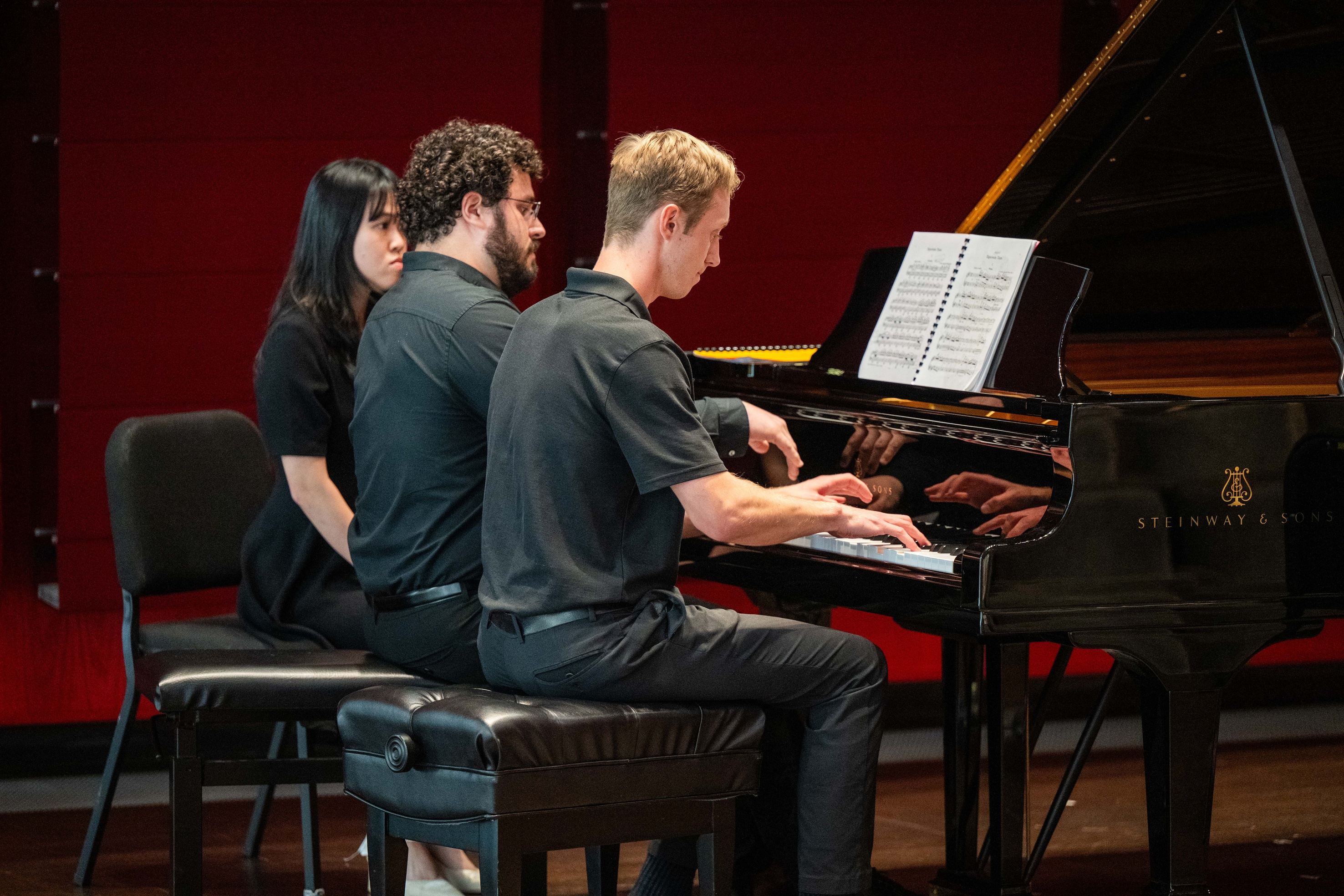
A brief musical program was provided by UI School of Music students Henry Giles and Henrique Rabelo, piano.


In the News

Rethinking Aging with Mercedes Bern-Klug
Interdisciplinary Research Grants
Obermann Interdisciplinary Research Grants (IDRG) foster collaborative scholarship and creative work by offering recipients time and space to exchange new ideas leading to invention, creation, and publication. IDRG groups work at the Obermann Center for two weeks, usually in July and/or August. Applicants propose work on a project with colleagues from across the university, across disciplines within their own department, or with colleagues from other parts of the country or the world. Projects are intended to result in an important scholarly or creative work.
In summer 2026, Obermann funded four groups, whose projects addressed educational equity, genetic research, public health, and community well-being.

From Analysis to Action: An Interdisciplinary Practice Guide for Advancing Degree Progress
The aim of this group is to create a guide to help universities address income-based gaps in degree completion. This past summer, the group achieved the following:
- Collected 20 hours of interviews with key campus stakeholders
- Conducted further data analyses and landscape review
- Created data visualizations
- Wrote Practice Guide that articulated the problem, synthesized research, and forwarded recommendations

Leveraging Fruit Fly Genetics and Clinical Genetic Testing to Help Identify Genes Associated with Intellectual Disability
This group used fruit fly genetics and clinical testing data to identify genes associated with intellectual disability. This summer, they made substantial progress:
- Identified 13 genes that had clear orthologues in flies, with identities between the two ranging from 29% up to 76%.

The Role of Public Transit Improvements in Advancing Mental and Physical Health in Johnson County, Iowa
This group studied how public transit improvements in Johnson County have affected residents’ mental and physical health. In summer 2026, they:
- Cleaned transcripts from six focus group interviews comprising Johnson County residents who regularly use Iowa City Transit and Trip Connect (an on-demand transit service)
- Developed and tested a codebook that allowed the scholars to use the same codes and logic when analyzing the different transcripts
- Drafted a journal article for the Journal of the American Planning Association reporting the group's findings

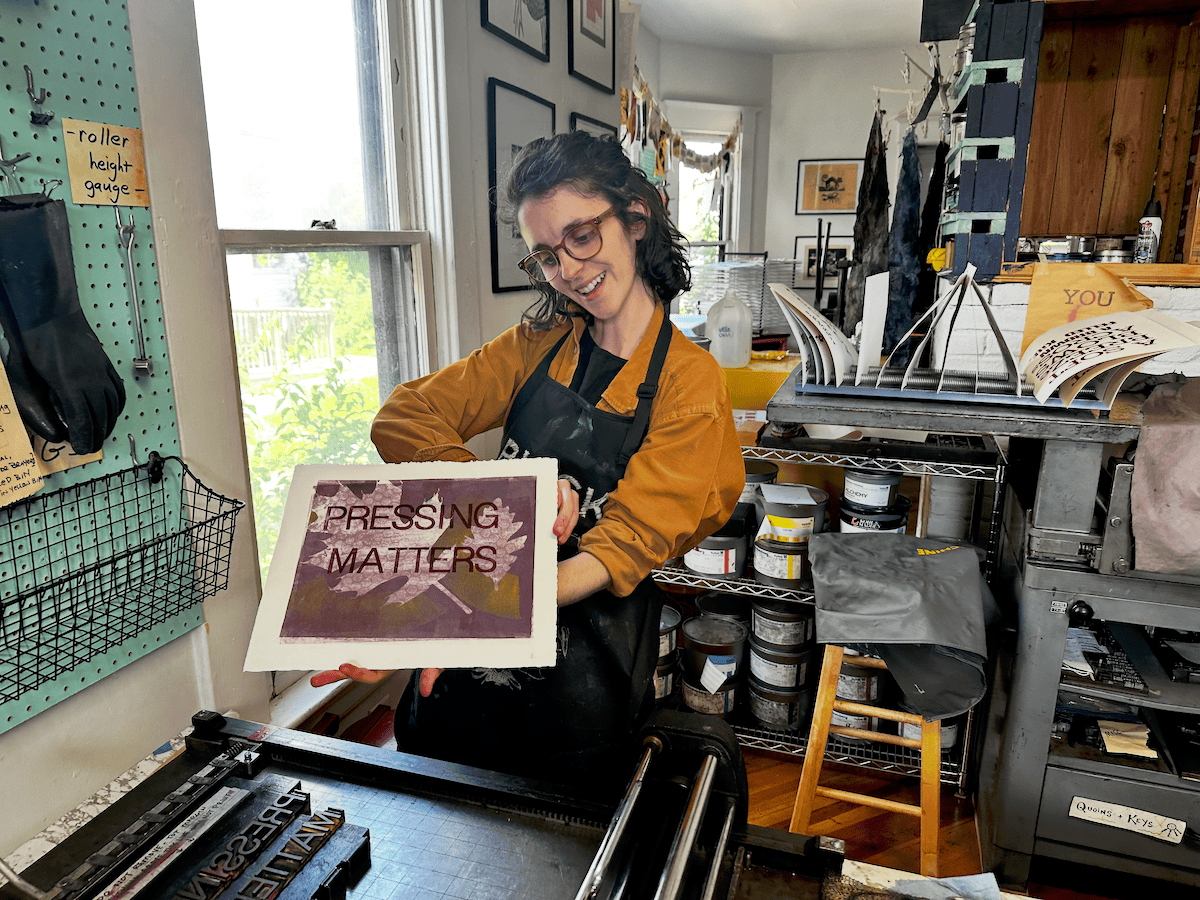
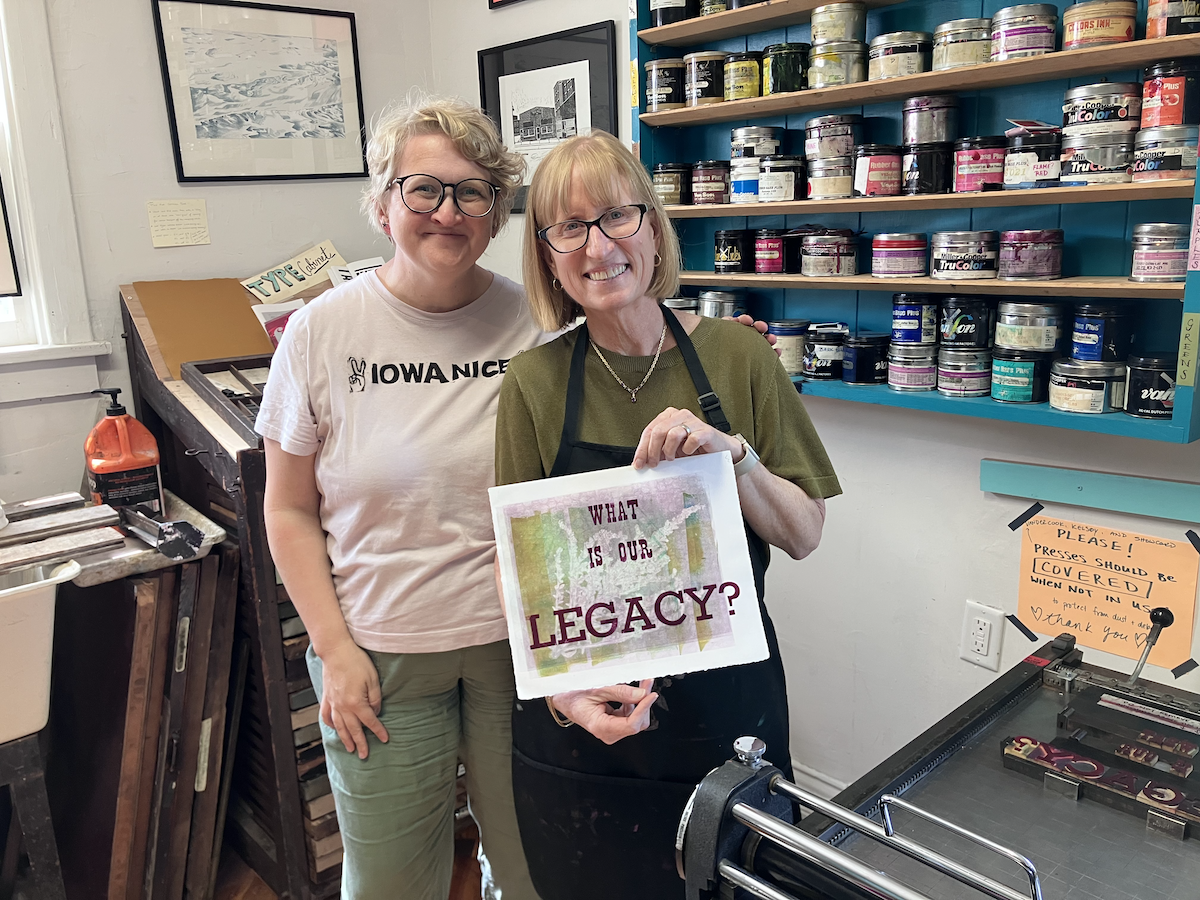
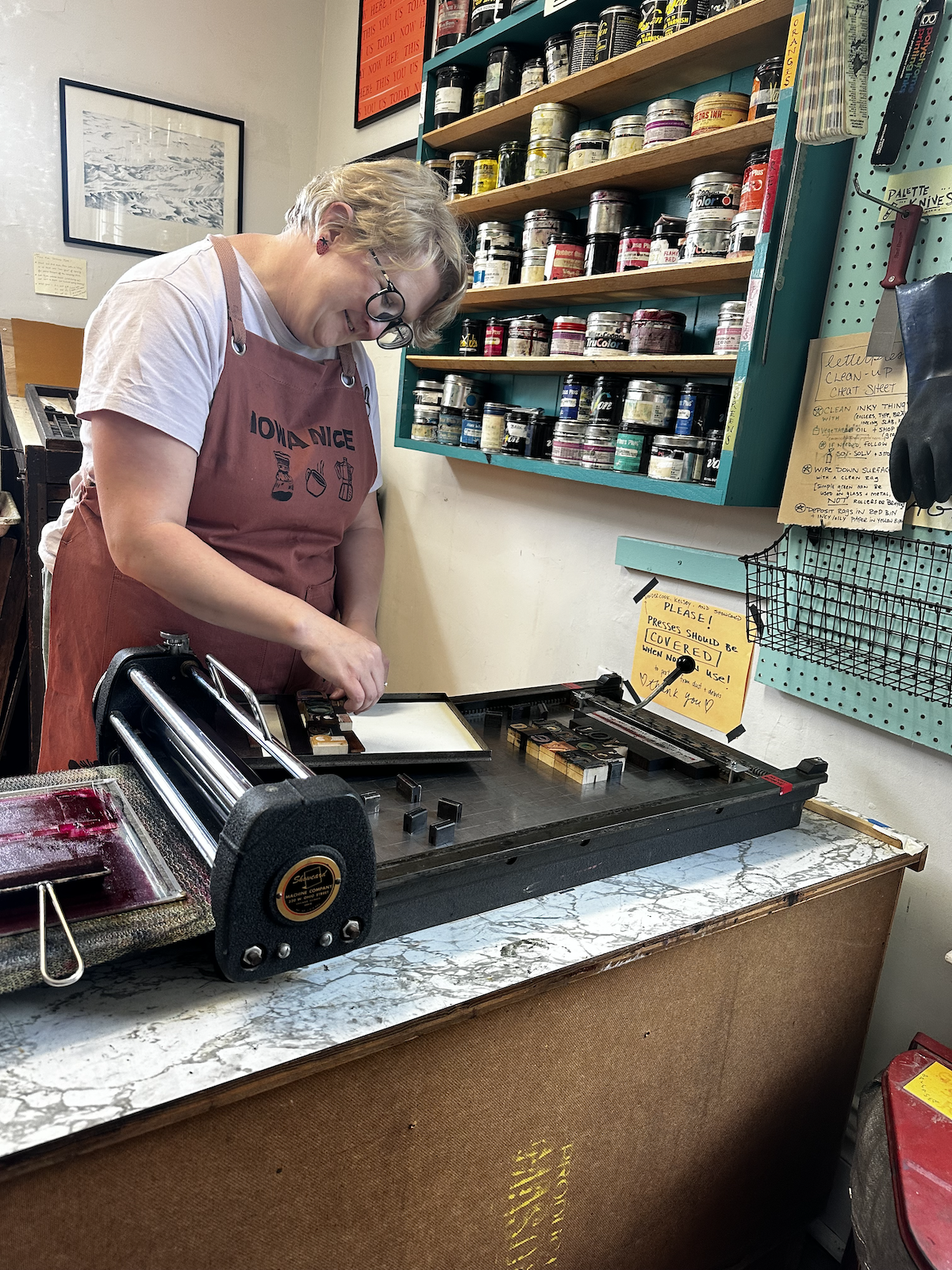
Pressing Matters: Community Printmaking to Support Recovery
This group led community printmaking workshops to support substance use recovery. This past summer, they:
- Hosted four printmaking workshops for people in recovery from substance use, peer recovery support specialists, health care professionals, researchers, and graduate students
- Hosted a community art show at Public Space One featuring the work of printmaking workshop participants
We also celebrate the Oct. 5, 2025, premiere of a groundbreaking musical composition stemming from the work of a 2023 IDRG group, "Flame Sonification and Flame-Based Audio Effect Processing" (Jean-François Charles, School of Music; Albert Ratner, Mechanical Engineering; and Frederick Skiff, Physics and Astronomy).
Writes Charles, "Montagne Pelée is a composition for solo baritone saxophone and Rubens tube. The writing of the saxophone was inspired by Kenneth Tse’s interaction with the flames of a Rubens tube built by Dale Stille at the University of Iowa. ... Montagne Pelée is also an echo of the 1902 catastrophic eruption of Mount Pelée in the Island of Martinique. The different sections of the piece trace the story from early fumaroles and eruptions to the pyroclastic surge, to the remaining ashes and light."
Obermann International Fellows
The Obermann International Fellowships program attracts global scholars to the University of Iowa campus. This year's cohort comprised fellows from France, Romania, Pakistan, India, Brazil, Kenya, and Uruguay.
Their fields were a testament to the variety of disciplines which feel at home at the Obermann, from dance and creative writing to audiology and business. Their active, engaged presence helped our faculty and students to forge new connections, gain a clearer understanding of global realities, and generate additional opportunities for discovery.
Fall 2025 International Fellows:
- Jordan Gigout, dancer and dance notator, Conservatoire National Supérieur de Musique et de Danse de Paris — France
- Patricia Marga, PhD candidate, Department of Public Health, Babeș‑Bolyai University — Romania
- Shazia Rehman Khan, assistant professor, Business Ethics, Bahria University — Pakistan
- Pervin Saket, poet, novelist, editor, curator — India
Spring 2026 Fellows:
- Anna Carolina Marques Perrella de Barros, audiologist, Federal University of São Paulo — Brazil
- Washington Okeyo, vice-chancellor and CEO of the Management University of Africa — Kenya
- Fernando Ramón Ordóñez Tarín, associate professor of literature, La Universidad de la República — Uruguay
"The best aspects of my residency were the intellectually stimulating academic environment, meaningful engagement with faculty and interdisciplinary scholars, and access to high-quality research resources. The opportunity to explore practical applications of AI in higher education significantly enriched my study and broadened my perspective. Equally valuable were the collaborative discussions and networking opportunities, which fostered new ideas and potential partnerships. Overall, the residency provided a highly supportive and inspiring setting that advanced both my research and professional development."
In the News


A Broad Base of Support
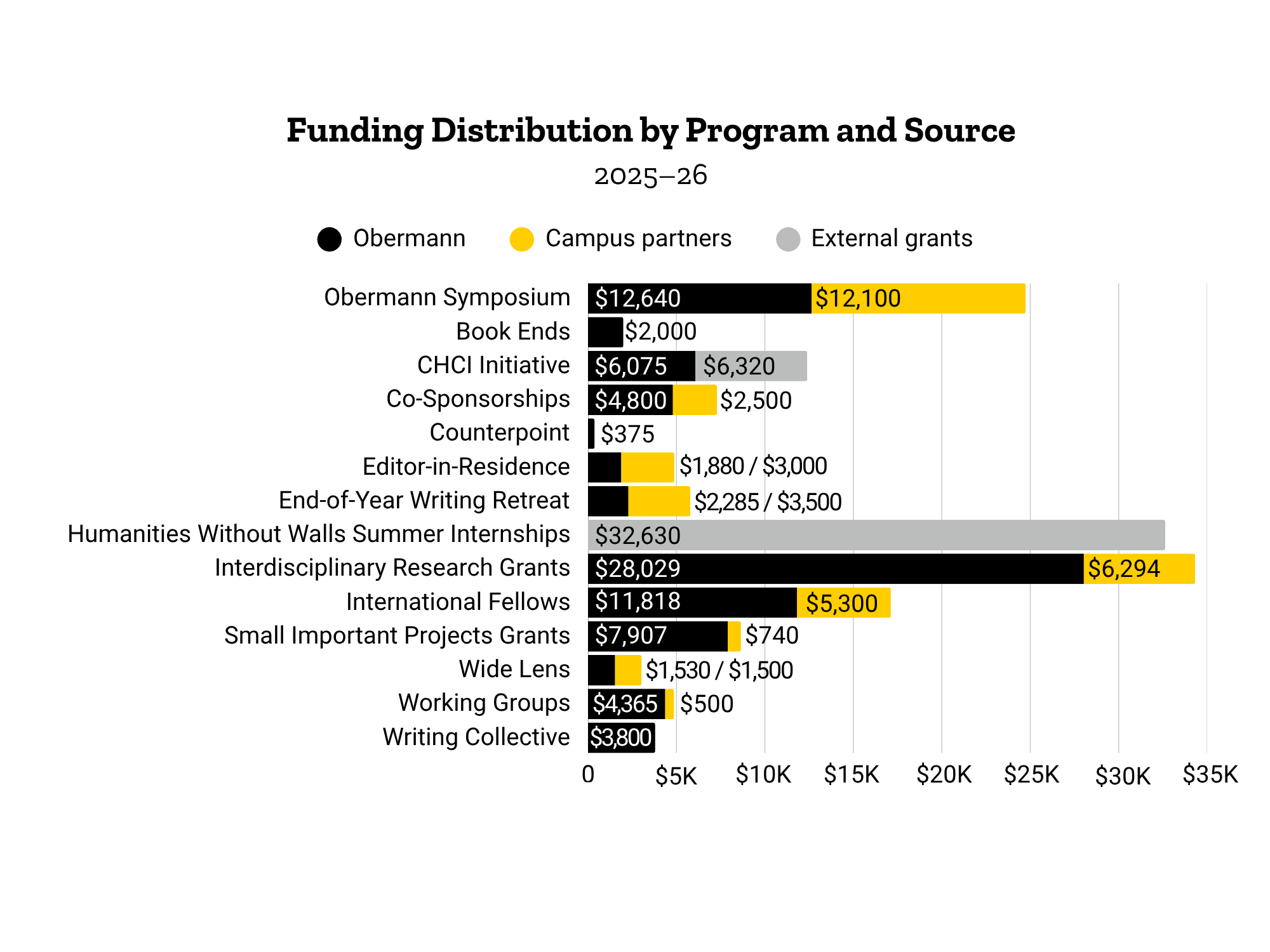
In 2025–26, Obermann programs drew on a combination of base funding, philanthropic support, campus partnerships, and departmental co-sponsorships. The chart below shows the direct funding allocated to each program by source; it does not include staff time, facilities, or other in-kind support.
Editor-in-Residence
The Obermann Center's Editor-in-Residence program—co-sponsored by the P3 Writing for the Public Good initiative—connects University of Iowa faculty and graduate student researchers with university press editors. Every year, the Obermann Center brings an accomplished editor from a scholarly press to campus for a short residency that includes workshops and presentations.
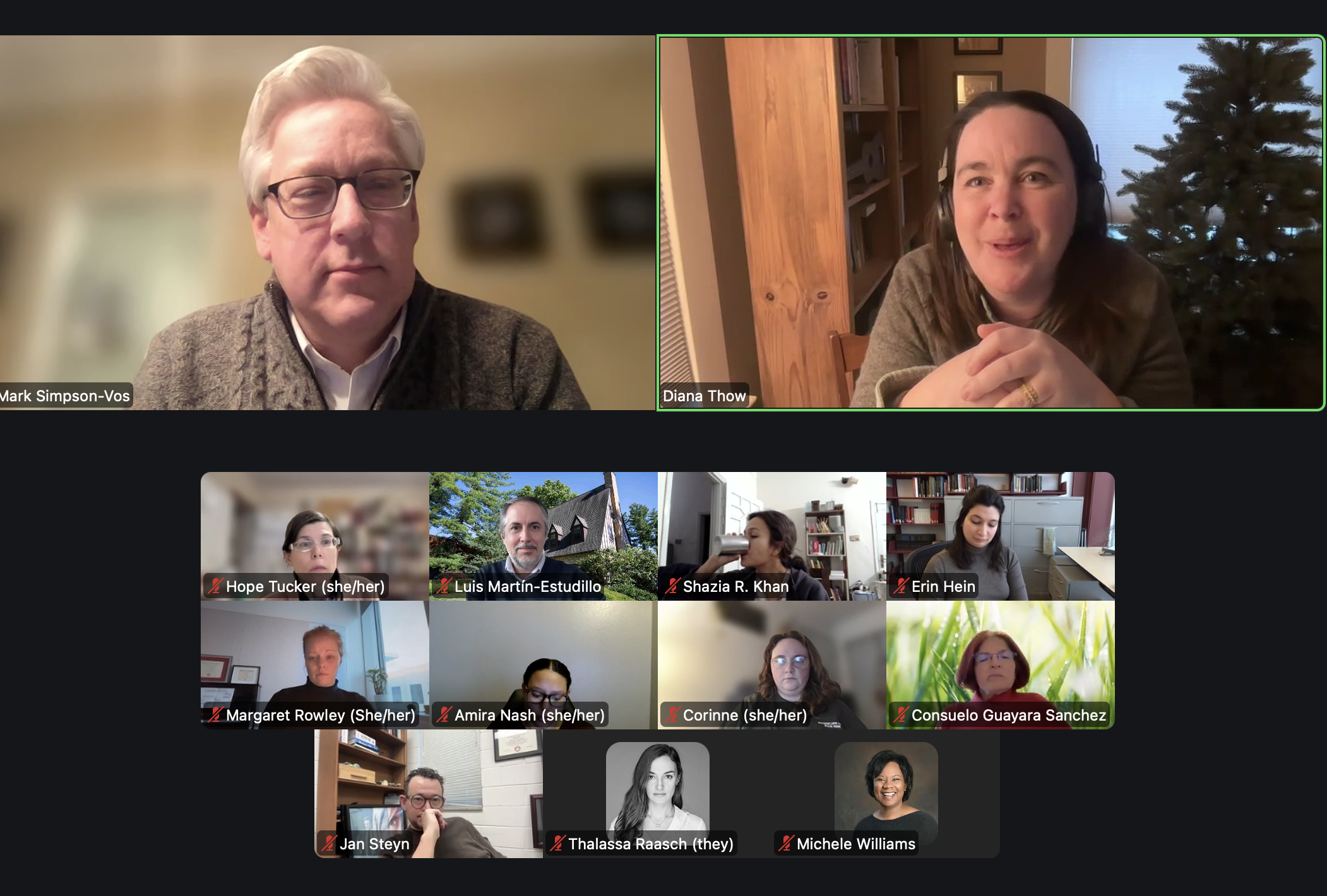
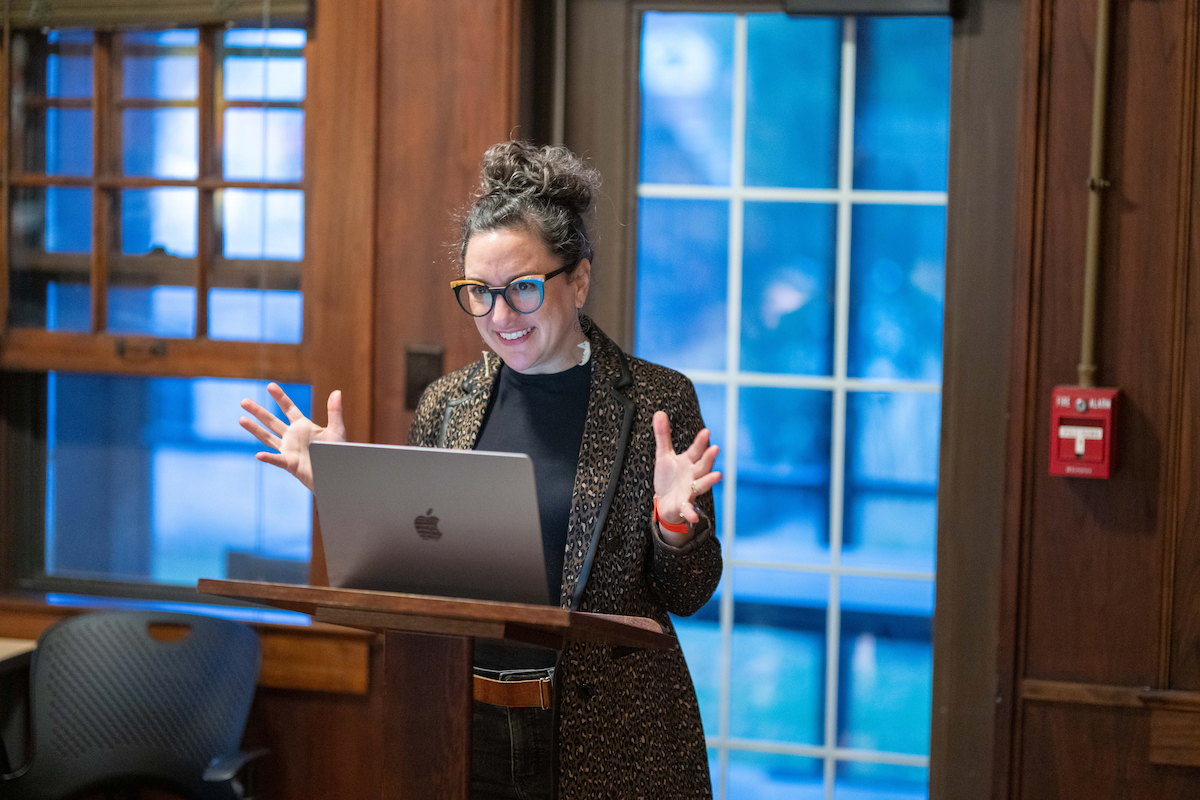
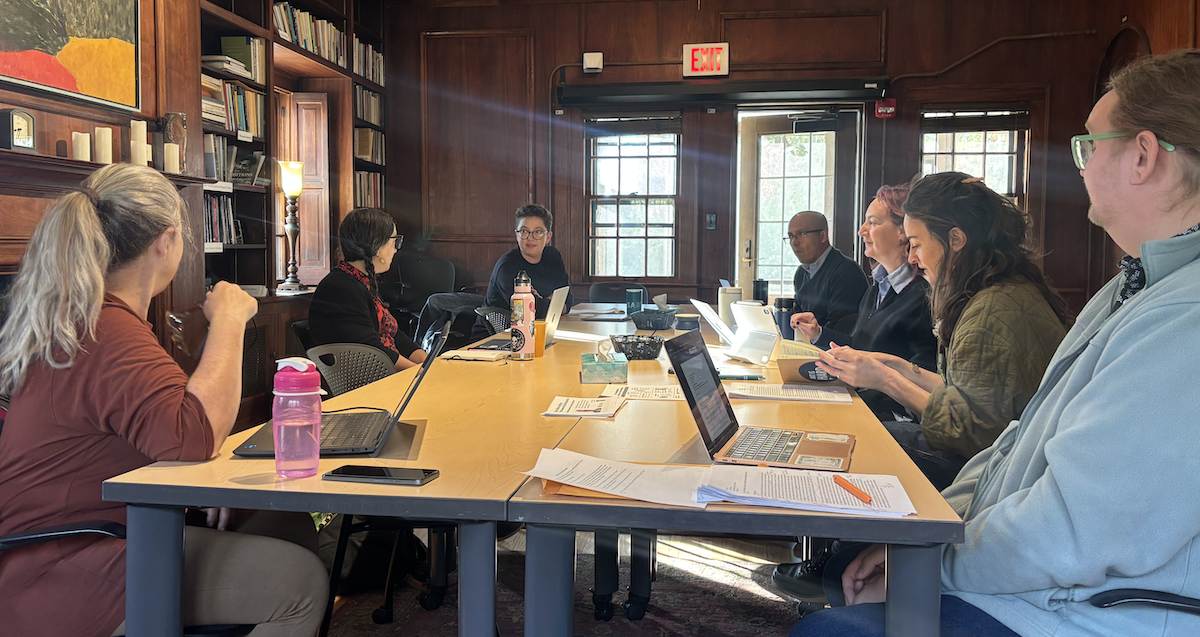
In its second year, the program offered a unique opportunity to connect UI faculty and students with Sara Jo Cohen, editorial director at the University of Michigan Press, where she acquires titles in music, theater and performance studies, and dance. From Nov. 3 to 5, she
- conducted nine individual editorial consultations with UI graduate students and faculty,
- conducted a book proposal workshop for six faculty members,
- met with a group of 11 graduate students to demystify aspects of the writing process from an editor’s perspective and explain the publishing process for first books,
- gave a career talk for undergraduates on the English major's Publishing Track,
- and delivered a public lecture, "Behind the Book: The Labor of Acquisitions Editing," about the changes that have reshaped the university press landscape over the past four decades.
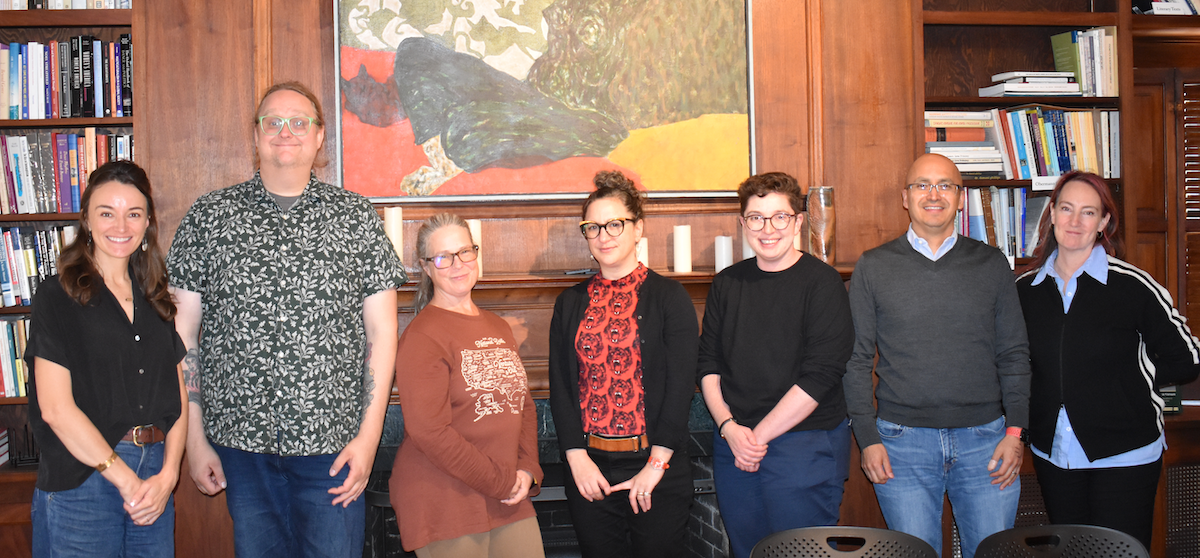
Sara's book proposal workshop for UI faculty was designed to help authors write a compelling book proposal, with a focus on crafting a strong pitch, identifying target audiences, and outlining the project’s structure. The workshop’s goal was for participants to walk away with a strong and cohesive book proposal, increasing their chances of securing a book deal. The six participants found it so productive that they held another workshop amongst themselves in December!
Book proposal workshop faculty participants:
- Ryan Adelsheim, Theatre Arts, CLAS
- Jose Fernandez, American Studies, CLAS
- Denise Filios, Spanish and Portuguese, CLAS
- Jennifer Kayle, Dance, CLAS
- Thalassa Raasch, School of Art, Art History, and Design, CLAS
- P.J. Zaborowski, English, CLAS
69

"The rapidly-formed community—fostered by Sara's careful and kind facilitation—quickly reminded me of both how enjoyable, and how effective, the workshop model is. Sara set an example of critiquing with compassion from the onset and created an environment in which I felt comfortable and appreciated. Before this workshop, I wasn't sure that I would ever work on this project again. I left with a renewed sense of excitement for the project and the process of turning my dissertation into a book. I am so grateful to have been a part of this, to share my work and be seen as a writer, and to have formed a small community of considerate and caring individuals."
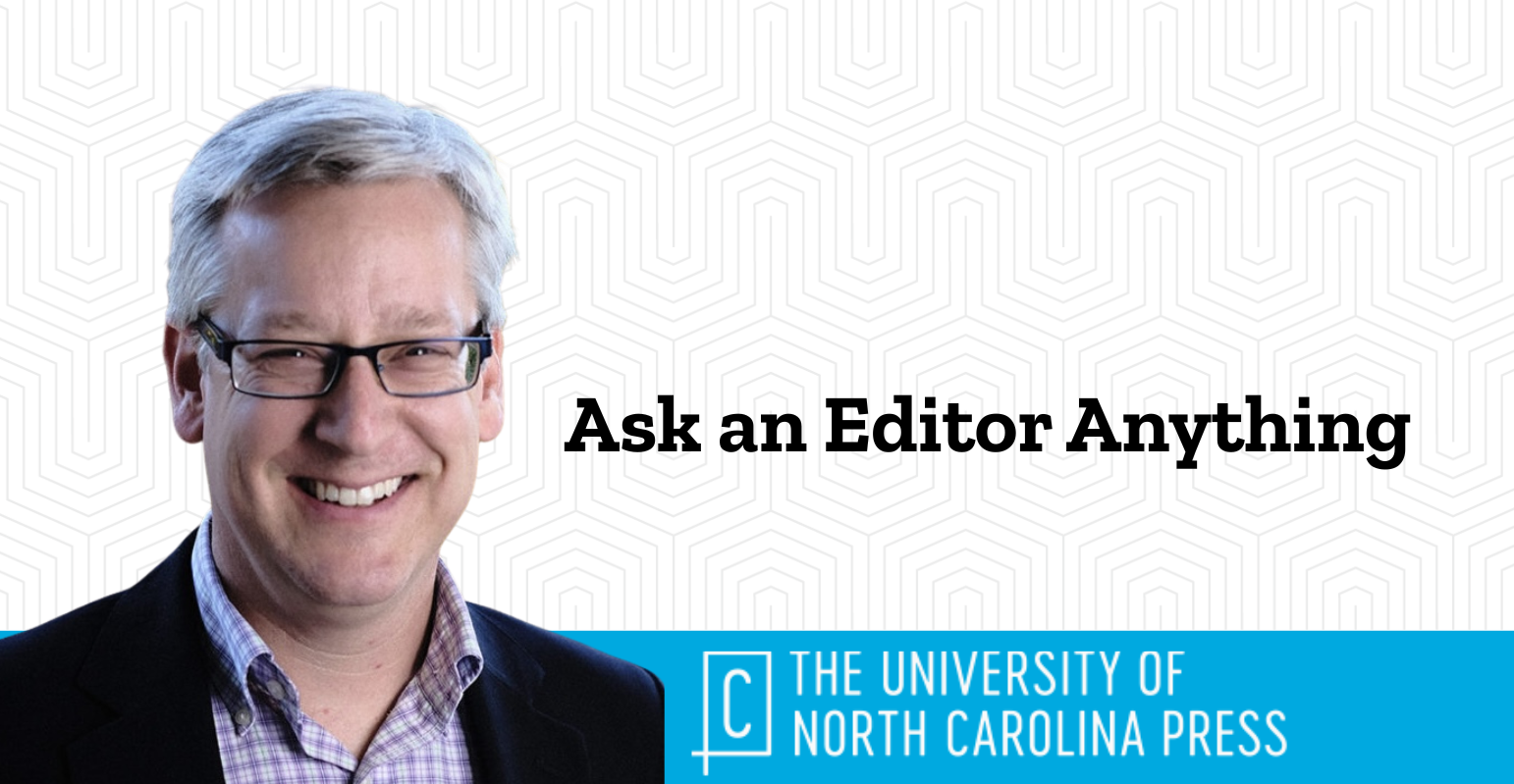
Because we received more applications than we could accommodate for Sara's sessions, we offered two virtual "Ask-an-Editor-Anything" sessions with Mark Simpson-Vos, our 2024–25 Editor-in-Residence. His Dec. 3 sessions served 17 faculty, staff, undergraduates, and graduate students from across the university.


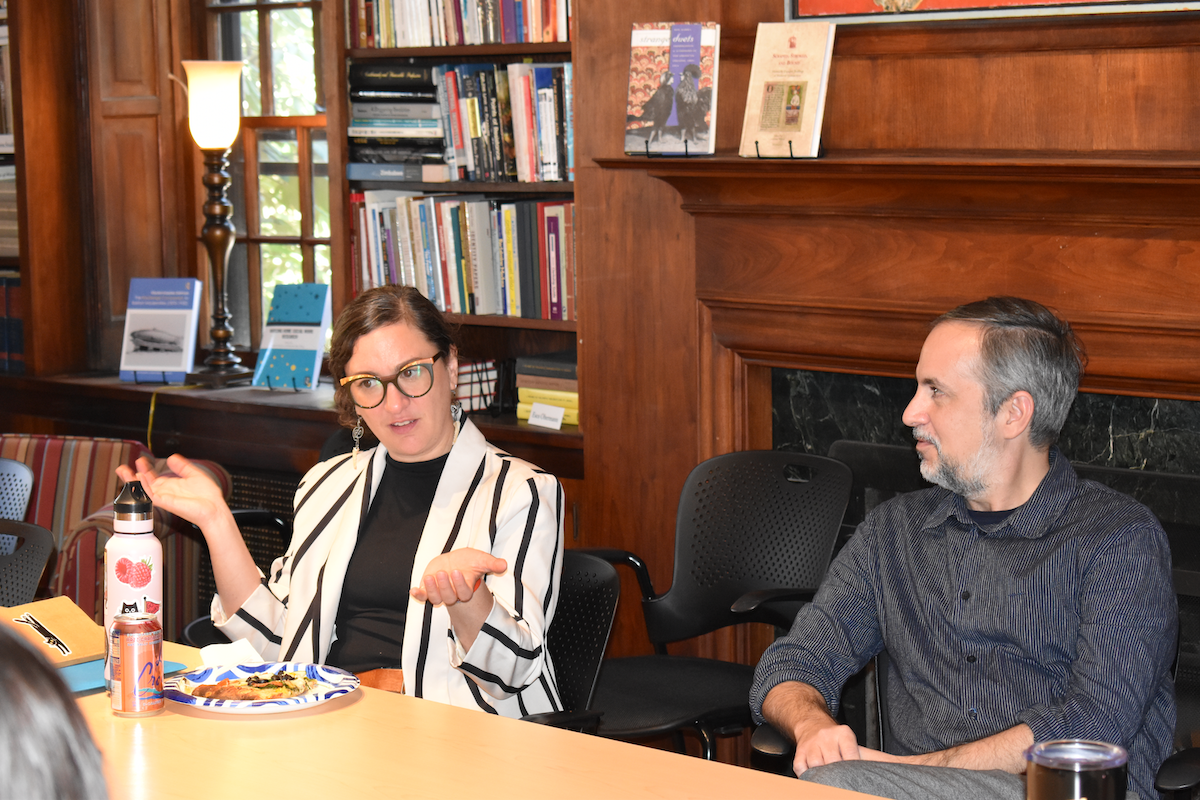
Book Ends: Obermann Book Completion Workshop
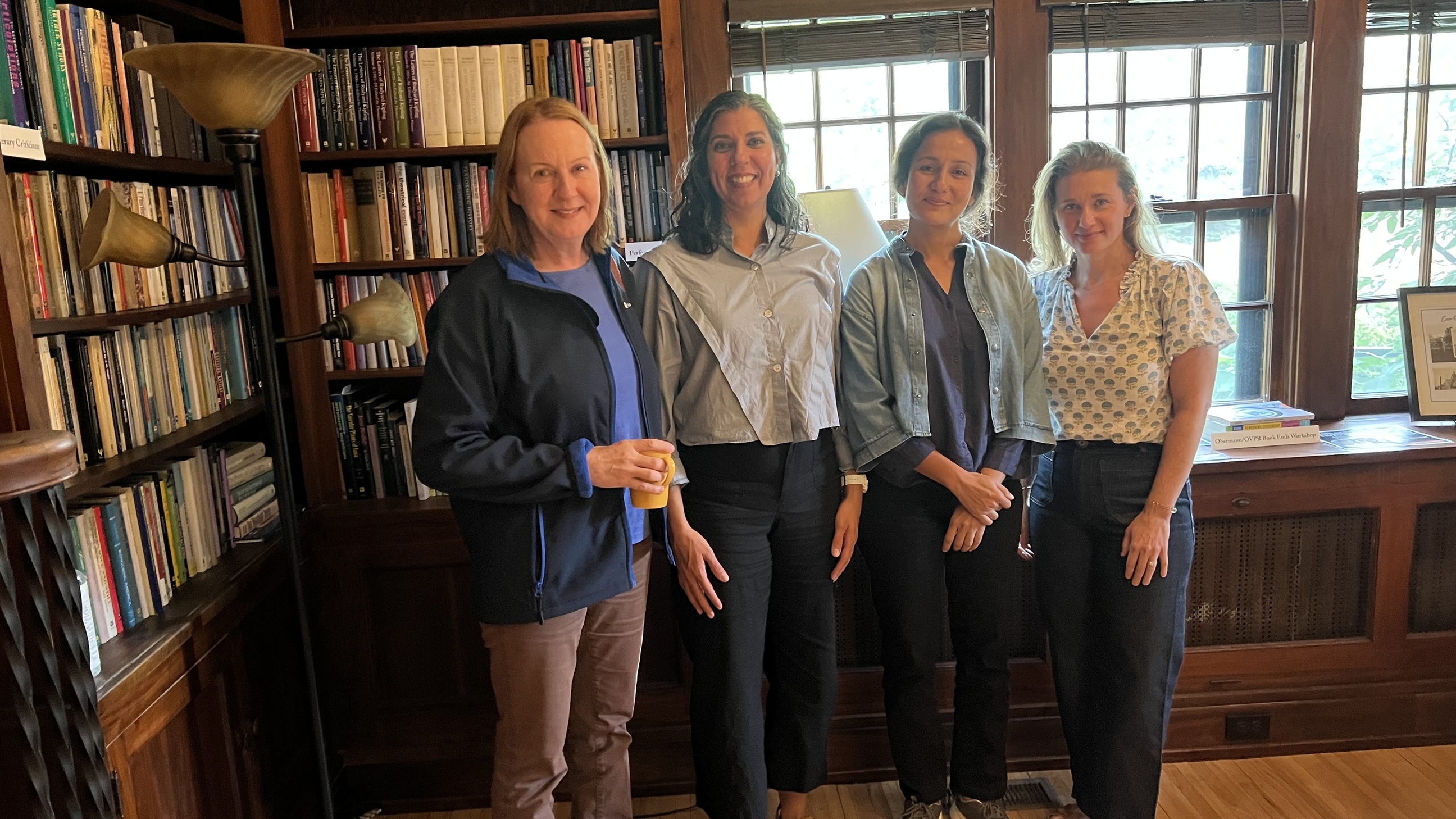
Books Ends supports University of Iowa faculty from disciplines in which publishing a monograph is required for tenure and promotion. The award is designed to assist UI faculty members of all ranks and with significant research responsibilities to turn promising manuscripts into important, field-changing, published books. The program brings together a panel of senior scholars for a candid, constructive three-hour virtual workshop on a faculty member’s book manuscript.
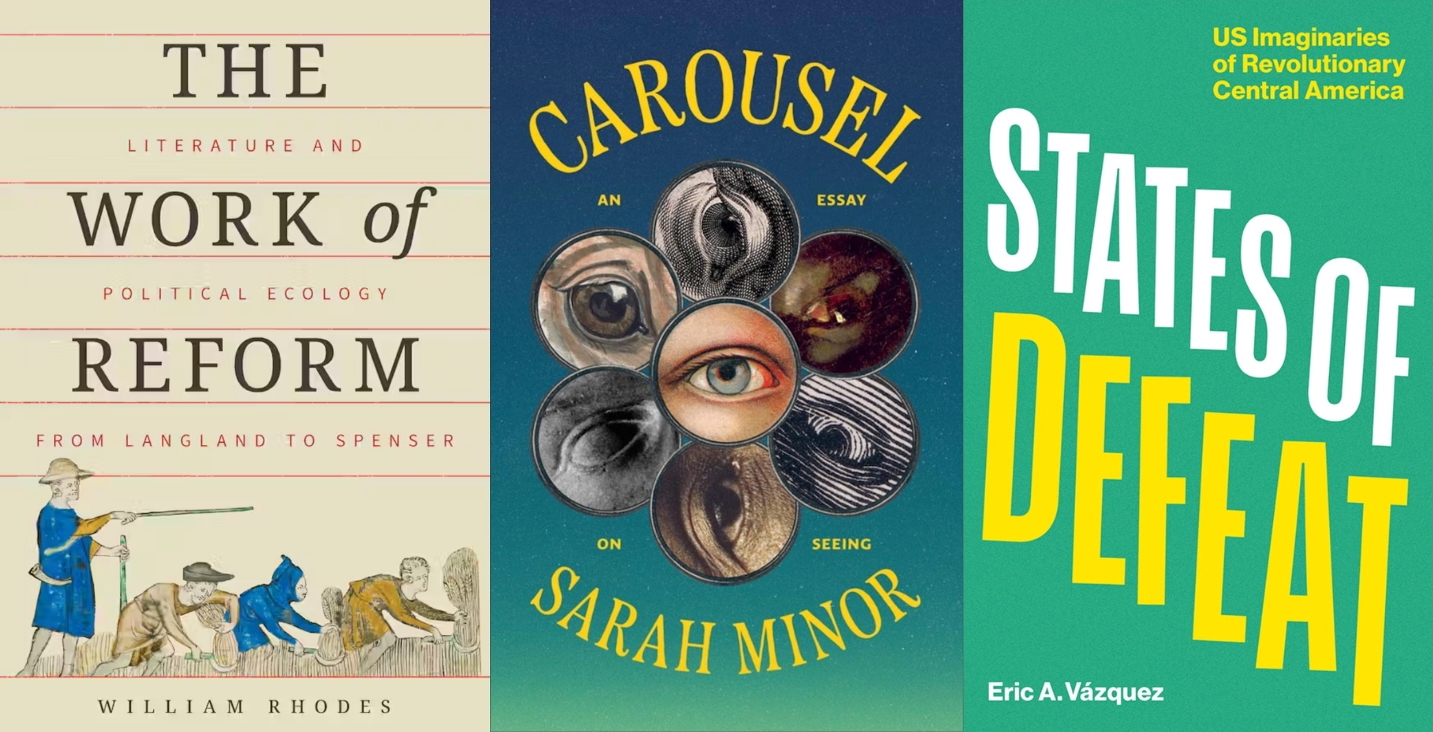
This year, we celebrated the publication of three books whose authors participated in our Book Ends program:
- Will Rhodes, English, CLAS — The Work of Reform: Literature and Political Ecology from Langland to Spenser, Cornell University Press
- Sarah Minor, English, CLAS — Carousel: An Essay on Seeing, Yale University Press
- Eric Vazquez, American Studies, CLAS — States of Defeat: U.S. Imaginaries of Central American Revolution, University of Minnesota Press
Obermann Writing Collective
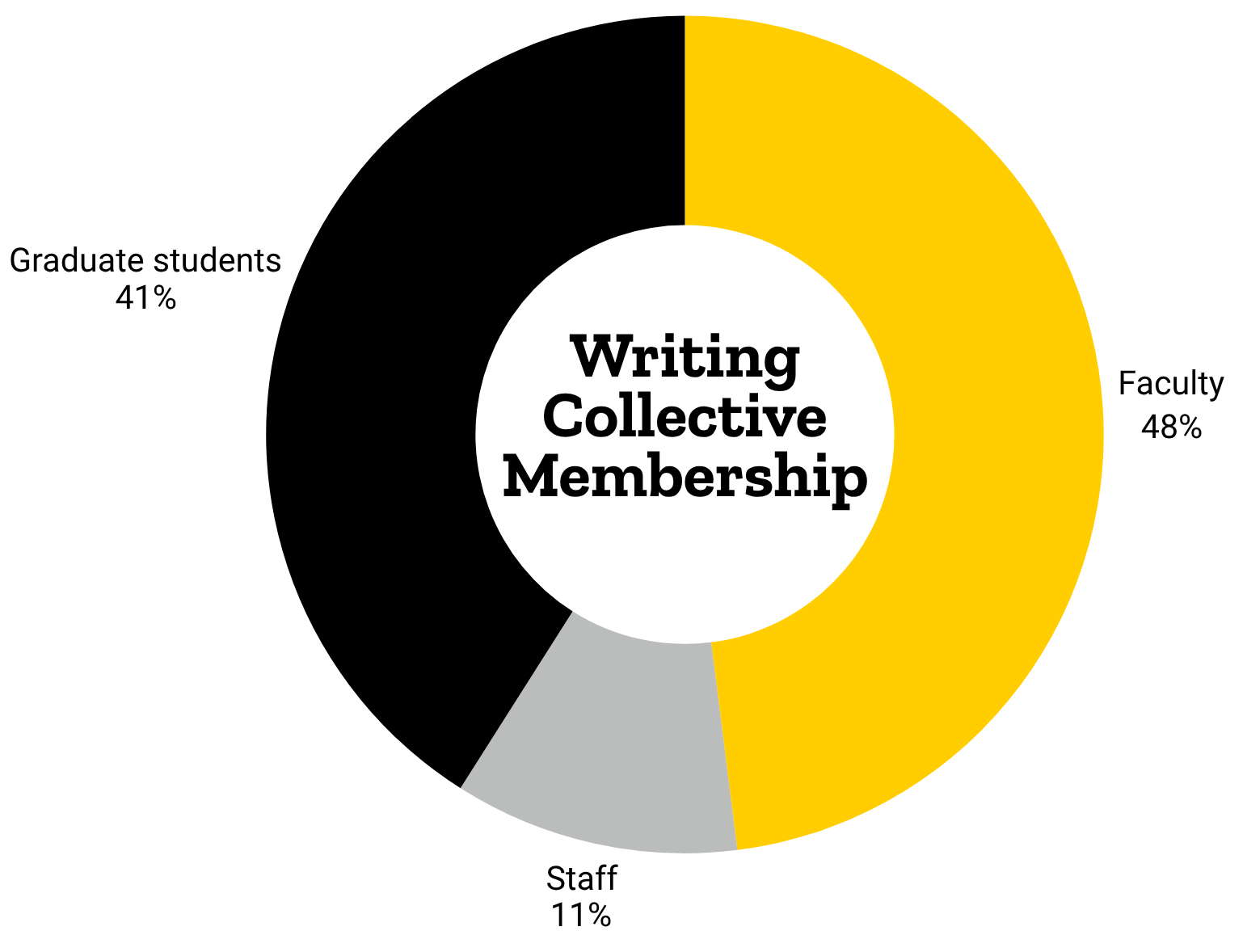
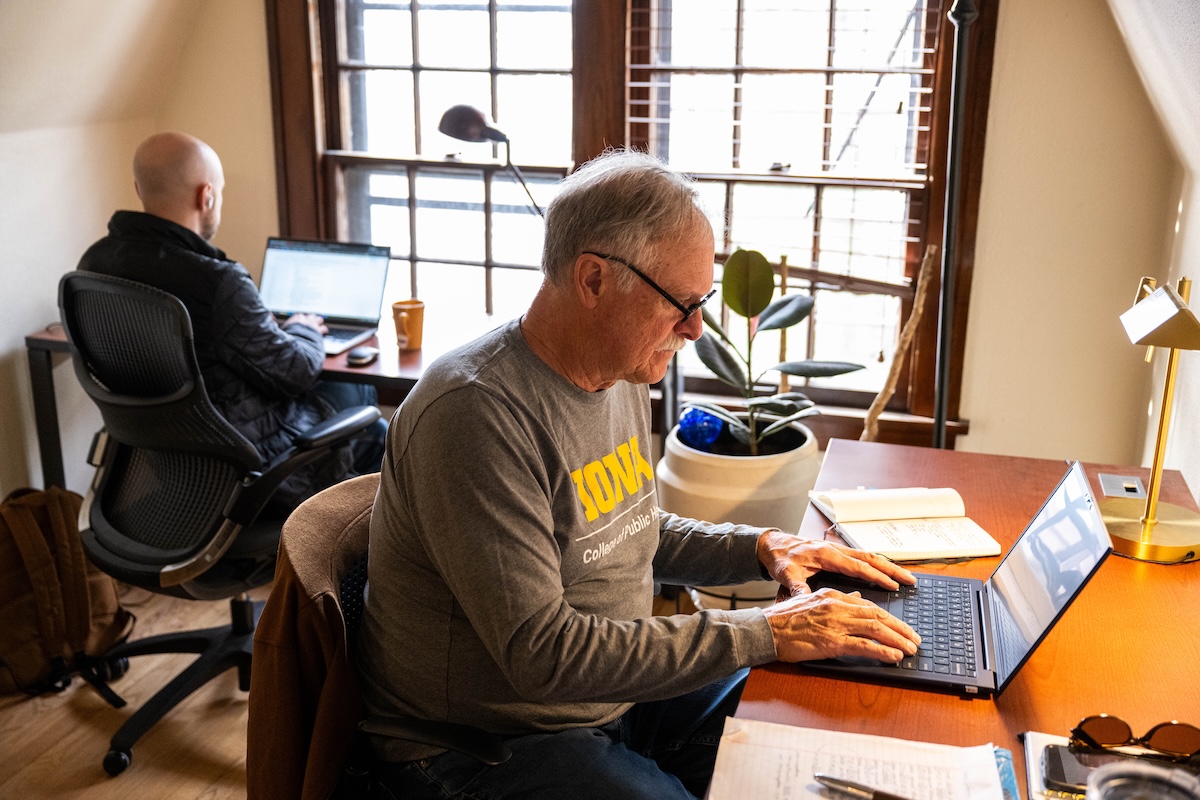
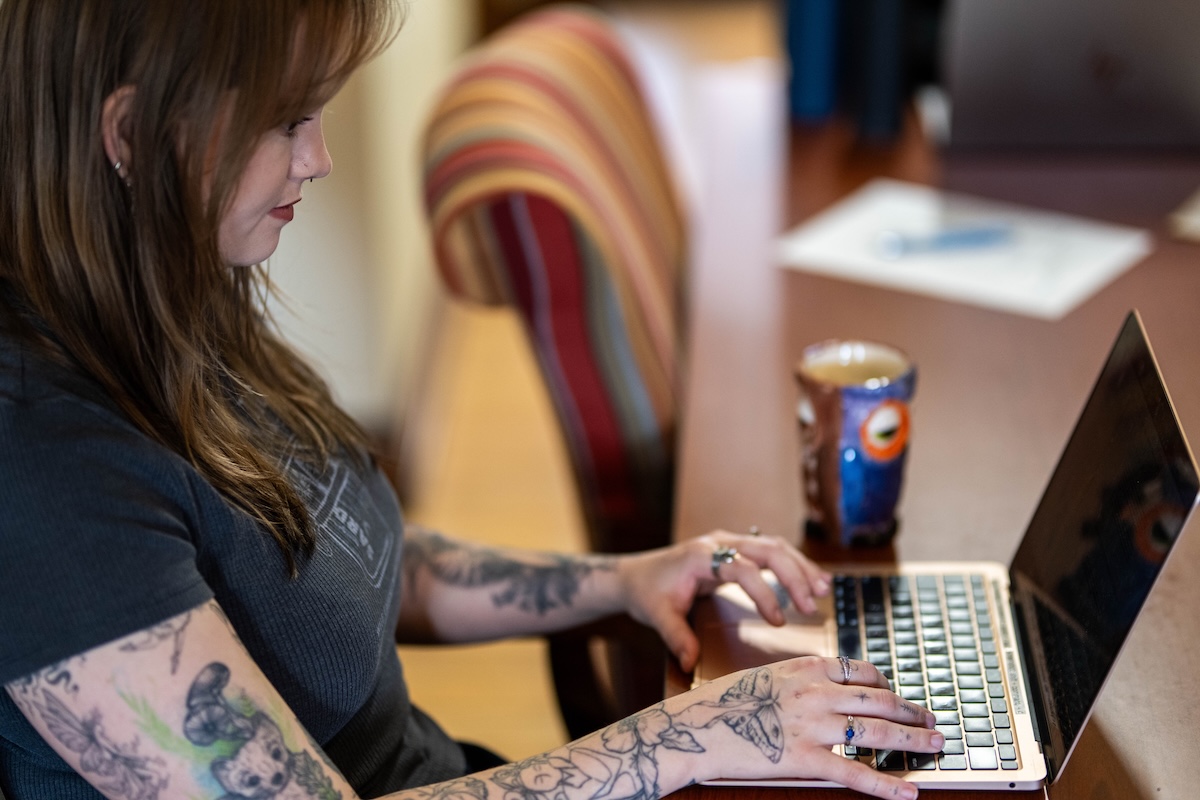
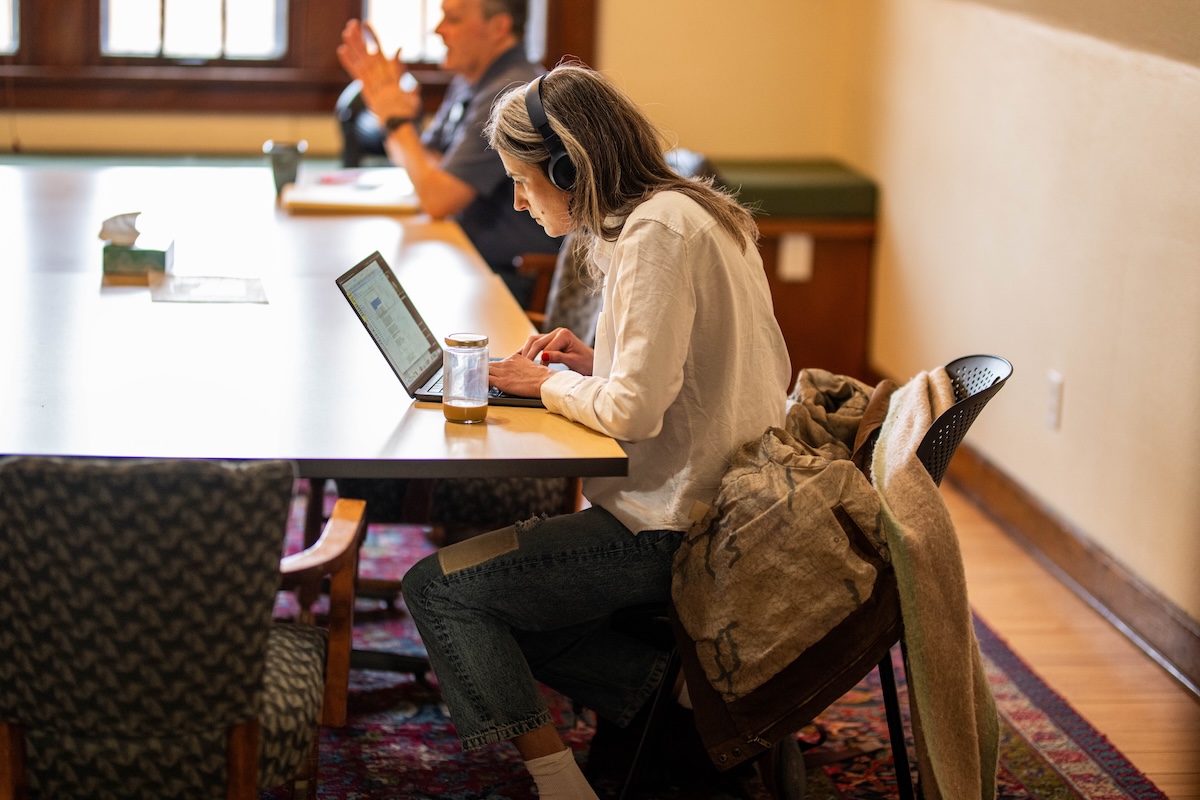
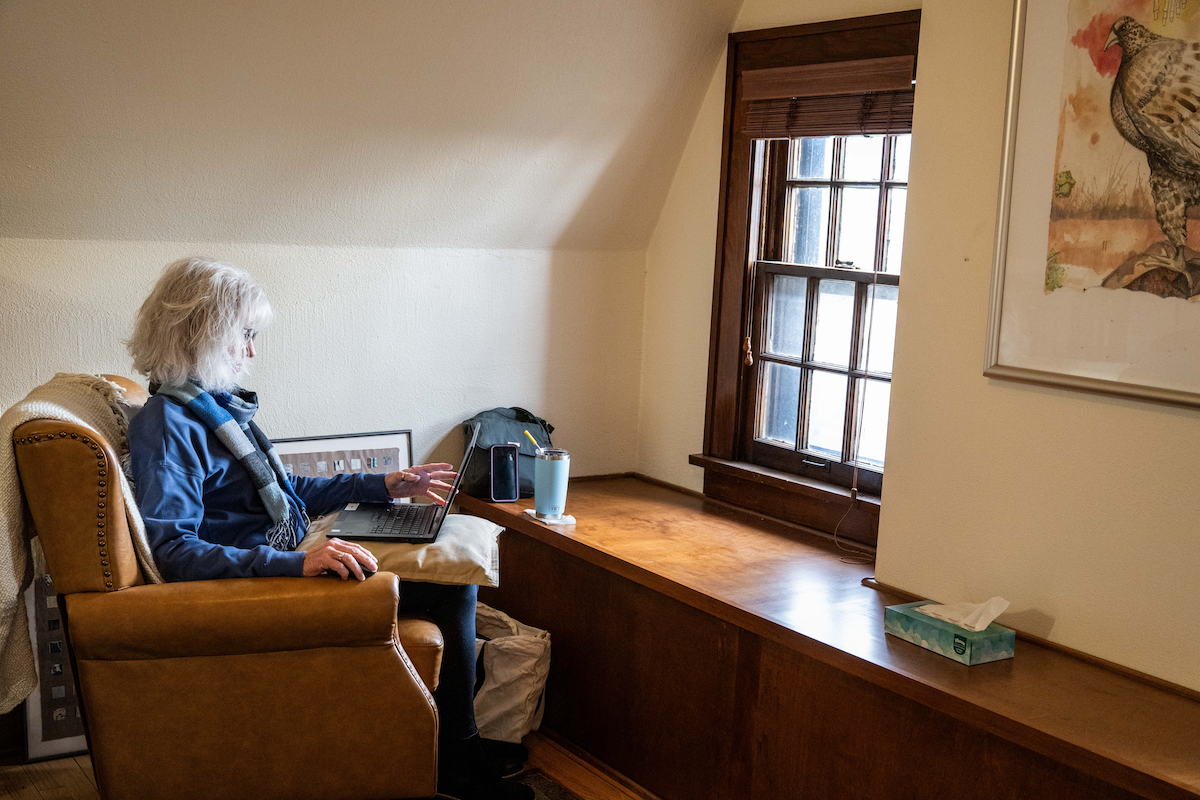
The Obermann Writing Collective offers companionship and accountability to University of Iowa artists, scholars, and researchers working on any kind of writing project who want dedicated time, a cozy space, and a community for the practice of writing.
In fall 2025 and spring 2026, we offered four write-on-site groups open to anyone in the UI academic community. Two groups met over the summer. Groups met once per week for one and a half hours in the Obermann Center's "Writers' Attic." Writing sessions included brief check-ins, goal setting, and sustained writing time, along with warm appreciation and support for the demanding work of writing.
Group leaders were Julie Koch (Counseling Psychology, College of Education), Adam Witte (English, CLAS), Kath Shaughnessy (English, CLAS), and Ellie White (English, CLAS).
Members worked on a wide range of writing projects, including journal articles, dissertations, MA and MFA theses, grant proposals, syllabi, conference abstracts, scholarly book chapters, PhD comprehensive exams, and memoirs.
spacer
130

"I appreciated the 'protected time' that was reserved on my schedule and the journey that I took with other writing professionals at the Obermann Center. I felt extremely motivated during my Tuesday sessions. I was able to focus and get into a 'flow' state for several hours of the semester, helping me to maintain my enthusiasm for my project."

"My writing group facilitator, Julie Koch, is seriously responsible for my dissertation getting finished. I was more productive during these little writing group sessions than any other days of the week. I looked forward to it because Julie creates such a great atmosphere of focused but positive and accepting time and space."

End-of-Year Writing Retreat
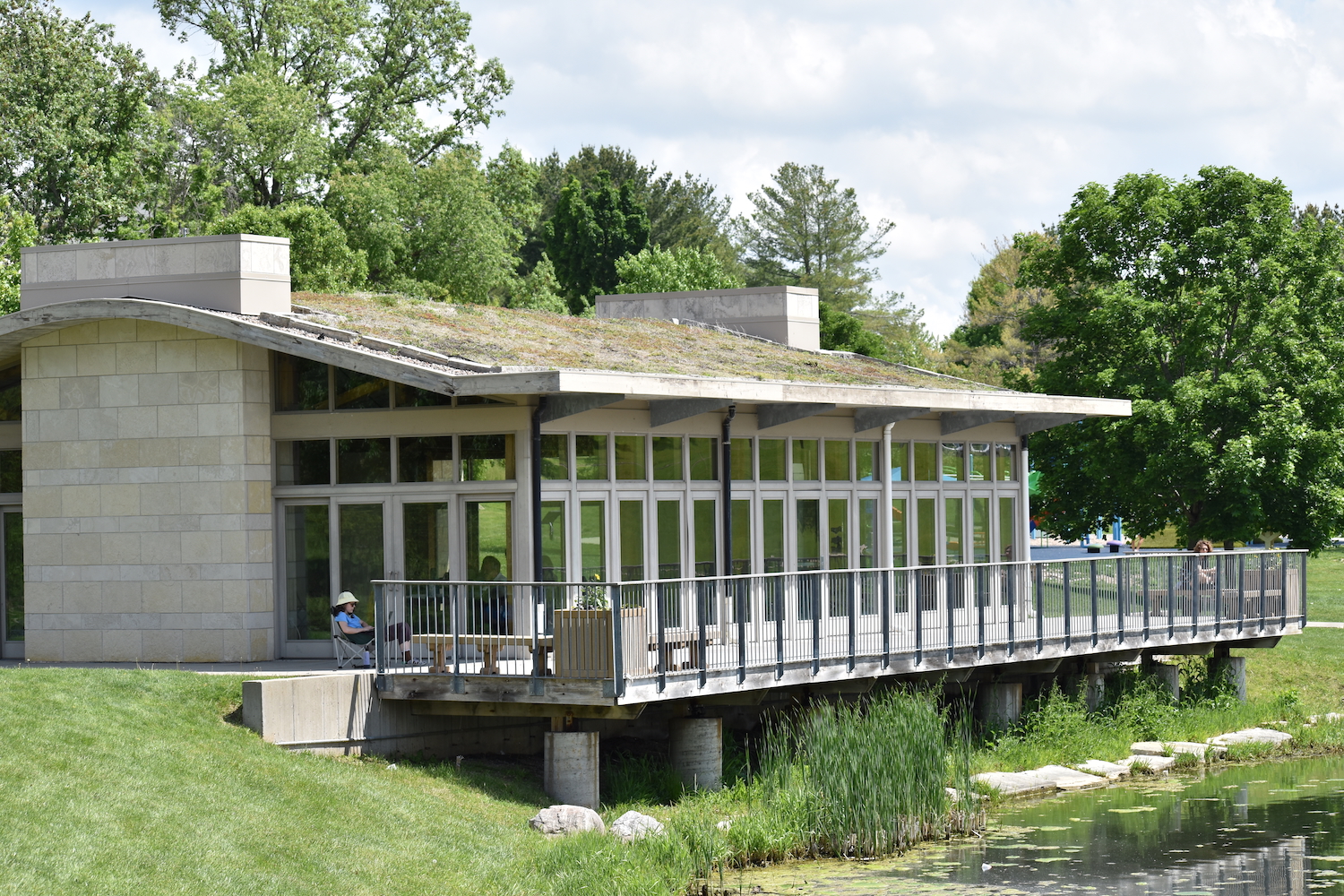
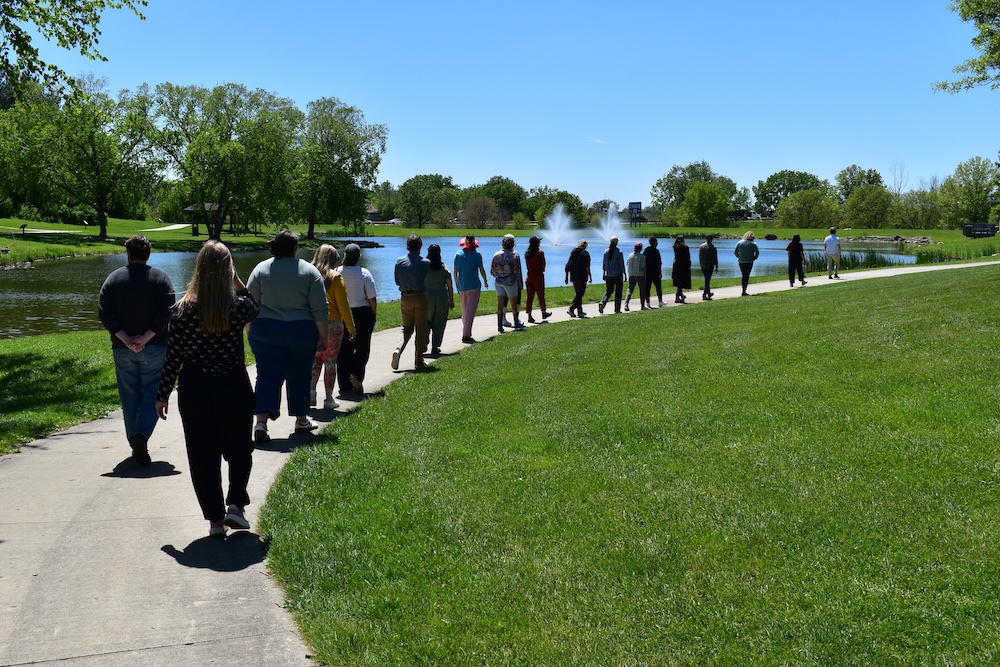
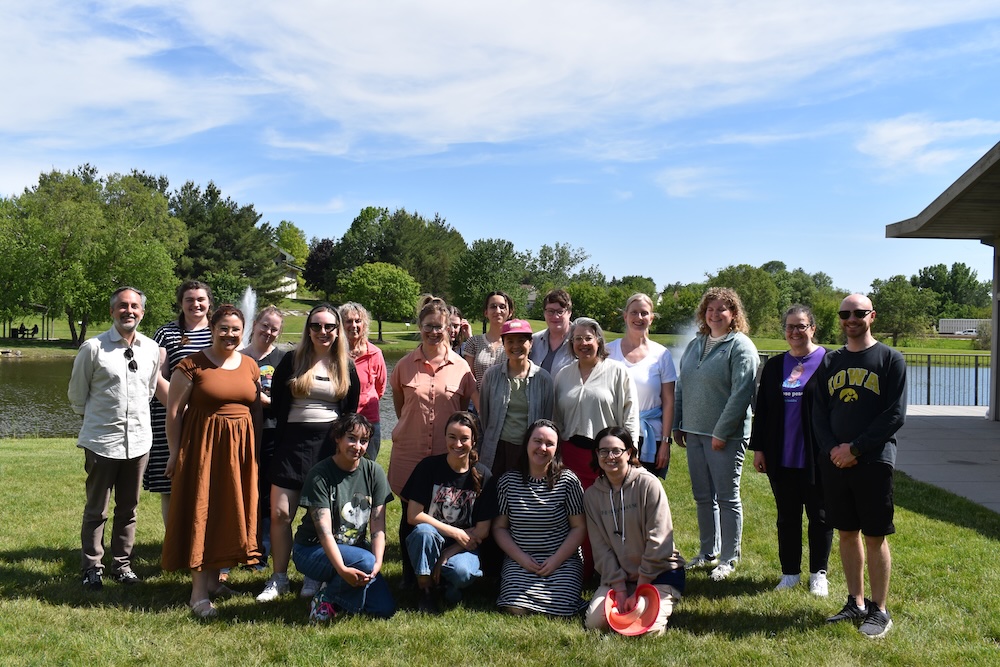
In May, the Obermann Center, with support from the Office of the Vice President for Research's P3 Writing for the Public Good initiative, hosted the inaugural End-of-Year Writing Retreat at the North Ridge Pavilion in Coralville. Twenty faculty, staff, graduate students—and one undergraduate—from across the University of Iowa gathered for a week of rejuvenation and focused creativity. Each day began with short check-ins designed to foster discussion about writing practice followed by quiet blocks of time for sustained writing. In addition to writing time, the retreat included activities designed to stir the imagination and foster well-being like yoga and walking meditation. One of the retreat’s most memorable moments was an intimate, thought-provoking conversation with acclaimed author Carmen Maria Machado, who spoke about her many positive experiences at writing retreats, writing her way through personal trauma, and the need for writers to discover the routines and practices that work best for them.
Participants reported working on academic books, journal articles, dissertations, a dissertation prospectus, a conference paper, a grant application, memoirs, short story anthologies, a novel, and an MFA thesis.

"The retreat gave me the ability to block off days to write, something that I cannot easily do as a UI staff member. The uninterrupted time away from email and demands in the office allowed me deep focus to think through my projects. I also appreciated being surrounded by people in different parts of the university and stages of their careers. The diversity of disciplines and types of writing projects was energizing."
20

"It was immensely helpful to have dedicated time to work on my grant. The setting fostered productivity and felt incredibly supportive. Coming from the health sciences, I think there can be the perception that the writing resources of the University of Iowa are 'not for us,' and I remain highly appreciative that the Obermann Center remains actively committed to true interdisciplinary collaboration. I have always felt welcomed and embraced through my participation in Obermann Center activities and value it as a crucial resource in advancing my scholarship."

Humanities Without Walls Summer Internship Program
Over the summer of 2026, the Obermann Center organized the Obermann Humanities Without Walls Graduate Student Internship Program to support career exploration and professional development for humanities graduate students interested in careers both within and beyond academia. Funded by a $60,000 Reciprocity and Redistribution grant from the Humanities Without Walls consortium, the program placed four University of Iowa PhD students and two MFA students in paid, eight-week internships with three Iowa City nonprofit organizations: Public Space One, Neighborhood Centers of Johnson County, and the Iowa City Public Library Friends Foundation. Through these internships, students applied humanities skills such as research, writing, critical thinking, and ethical analysis in community-based settings while gaining professional experience in the nonprofit sector.
Working alongside nonprofit staff, interns contributed to projects that supported the missions of their host organizations. They assisted with grant administration and organizational operations, developed resources to improve library services and advocacy, created training and educational materials, produced community-based creative projects, and conducted interviews and archival research to preserve and share local history. These projects gave students experience applying their humanities training in professional settings while supporting the work of local nonprofit organizations.
In addition to their internships, students participated in cohort meetings focused on professional development and career exploration. Through discussions, skill-building sessions, and reflection, interns developed practical tools for the job market while considering how their humanities training can contribute to a wide range of professions. By combining hands-on nonprofit experience with structured professional development, the program equipped students to pursue diverse career paths while deepening the Obermann Center's partnerships with local nonprofit organizations.
Reflections by Interns
article 3

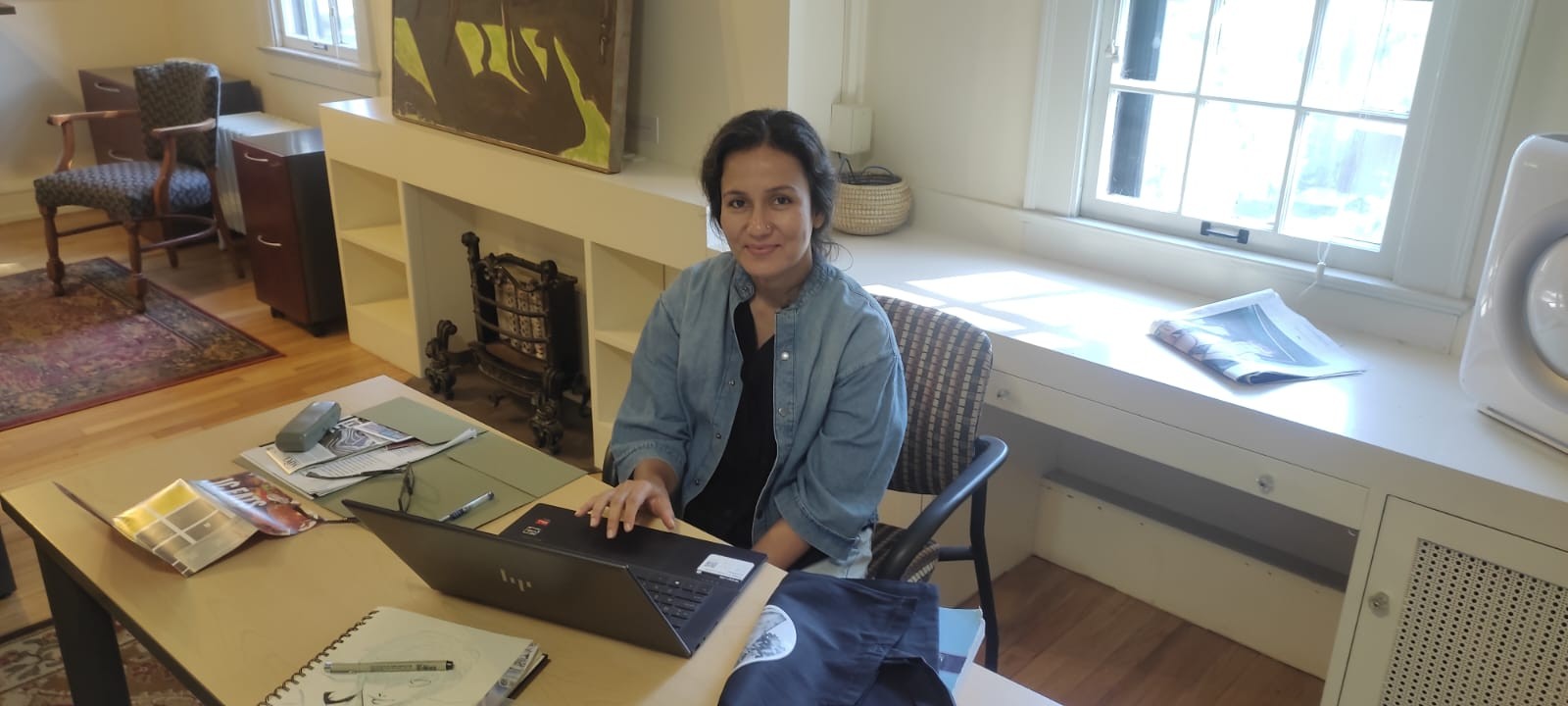
Where Money Meets the People: What Academics Can Do for Their Community
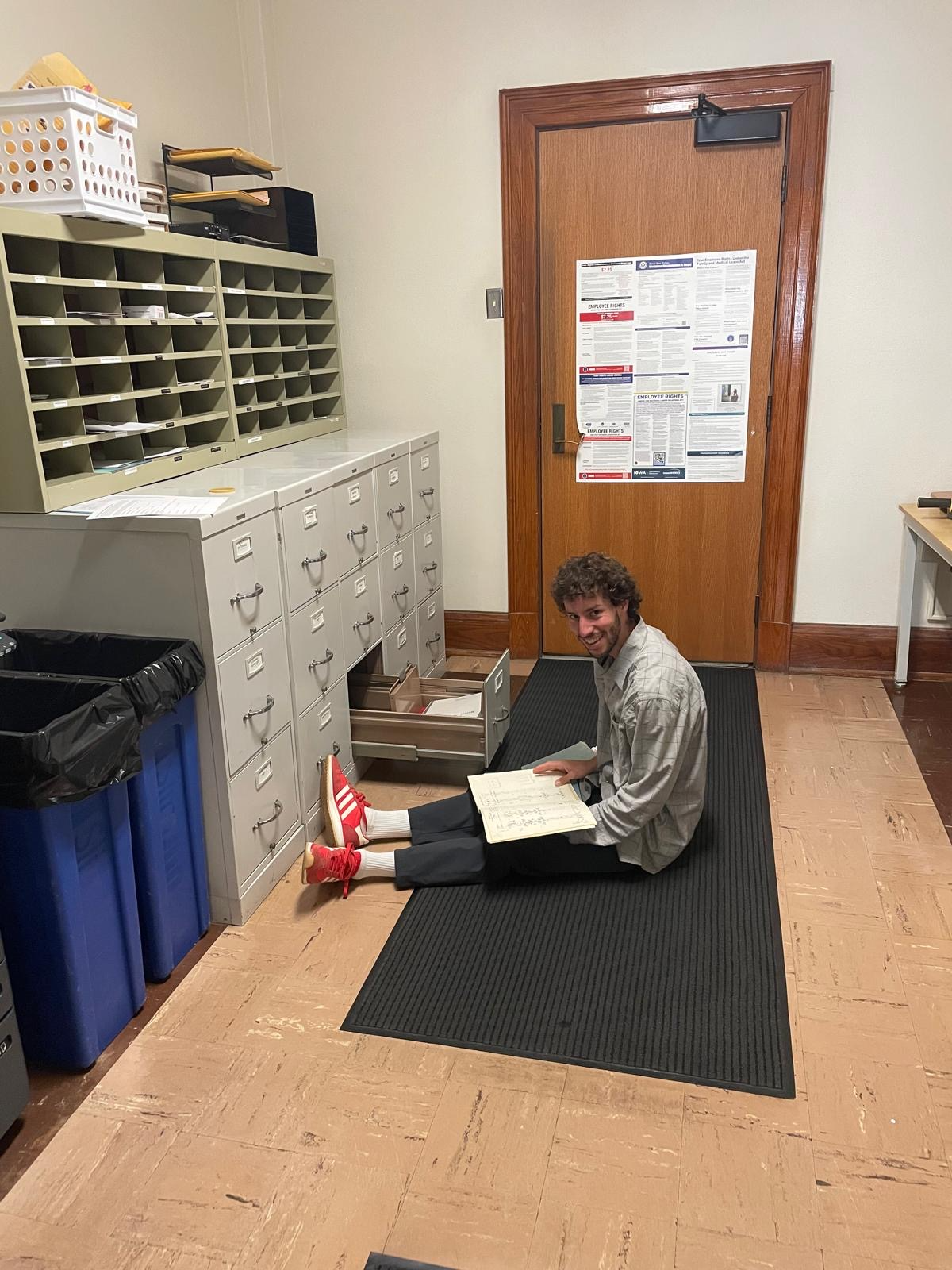
Connecting to Community Through the Archives

Connecting to Community Through the Archives
article 2

Community, Assessment, and the Work of Showing Up
article 5

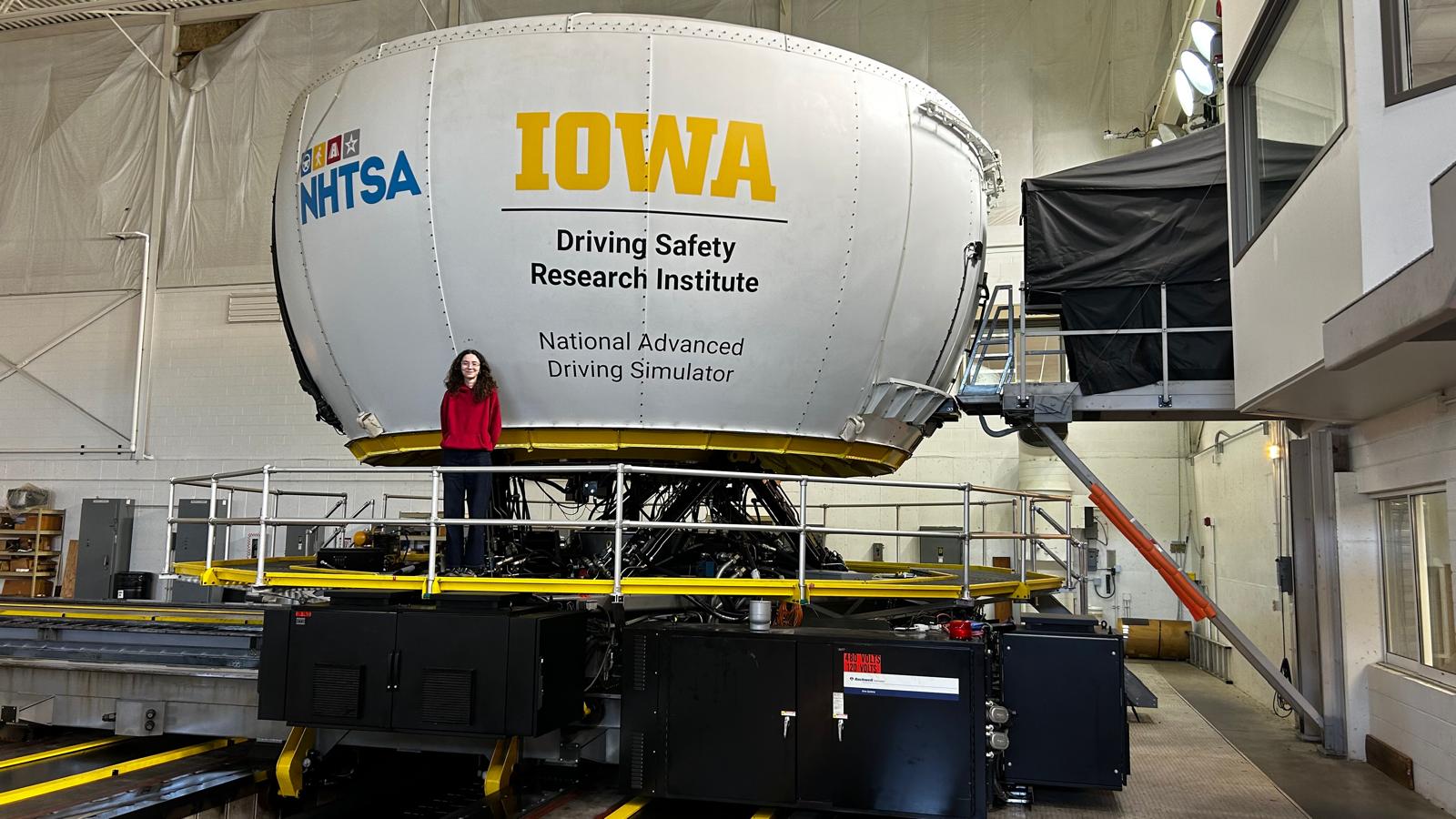
Iowa Library Advocacy: An American Consultant’s Case Study
article 4

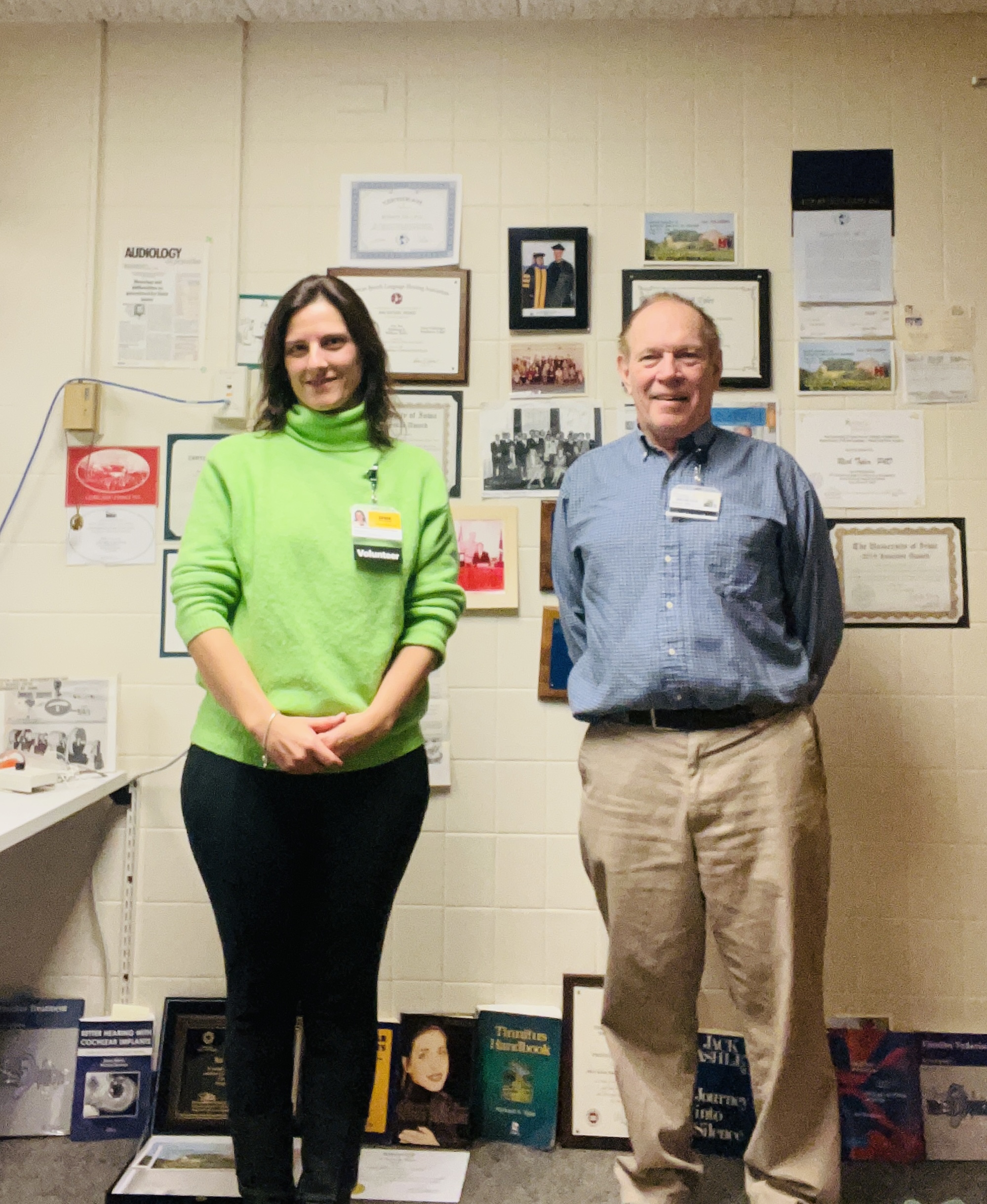
Full Circle: Interning at the Neighborhood Centers
CHCI Initiative — Mass Migrations: Personal Voices
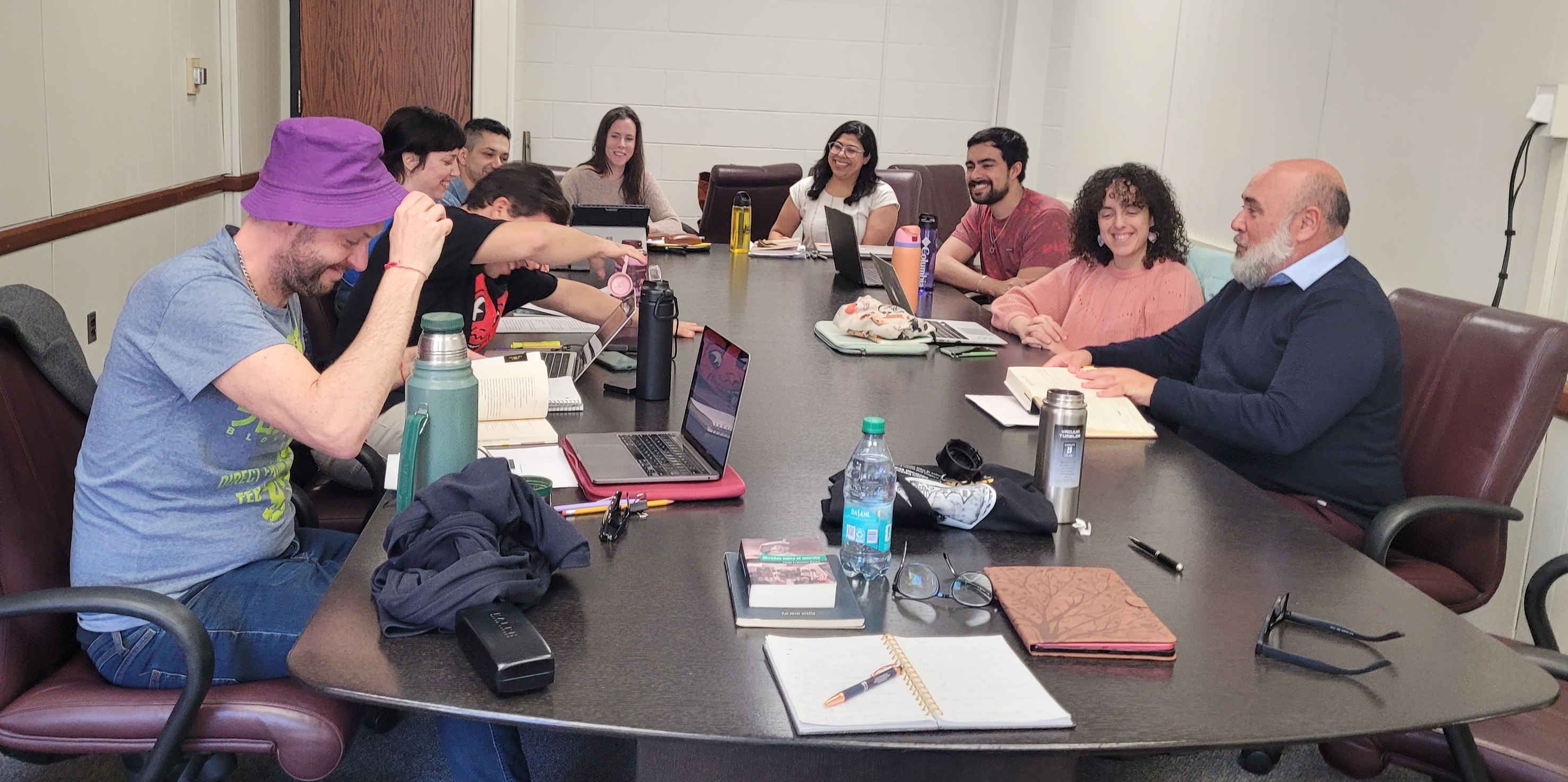
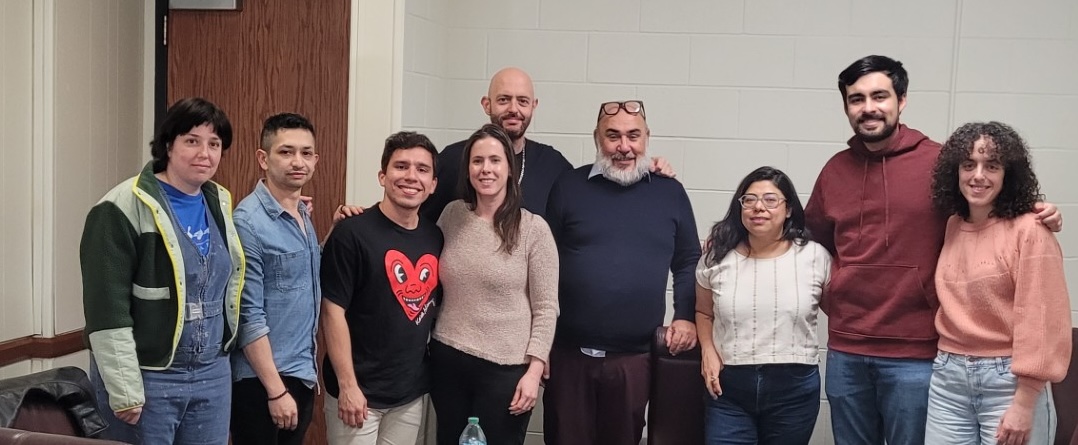
As part of its internationalization efforts, the Obermann Center obtained a grant from the Consortium of Humanities Centers and Institutes to co-fund the new project "Mass Migrations: Personal Voices." The project connects the University of Iowa and the Universidad de la República (UDELAR), Uruguay’s principal public university with over 150,000 students. The initiative adapts Iowa’s celebrated creative-writing workshop tradition into a tool for community integration, offering Venezuelan migrant women who have arrived in Montevideo seeking refuge from an ongoing humanitarian crisis a structured space to turn their life experiences into literature.
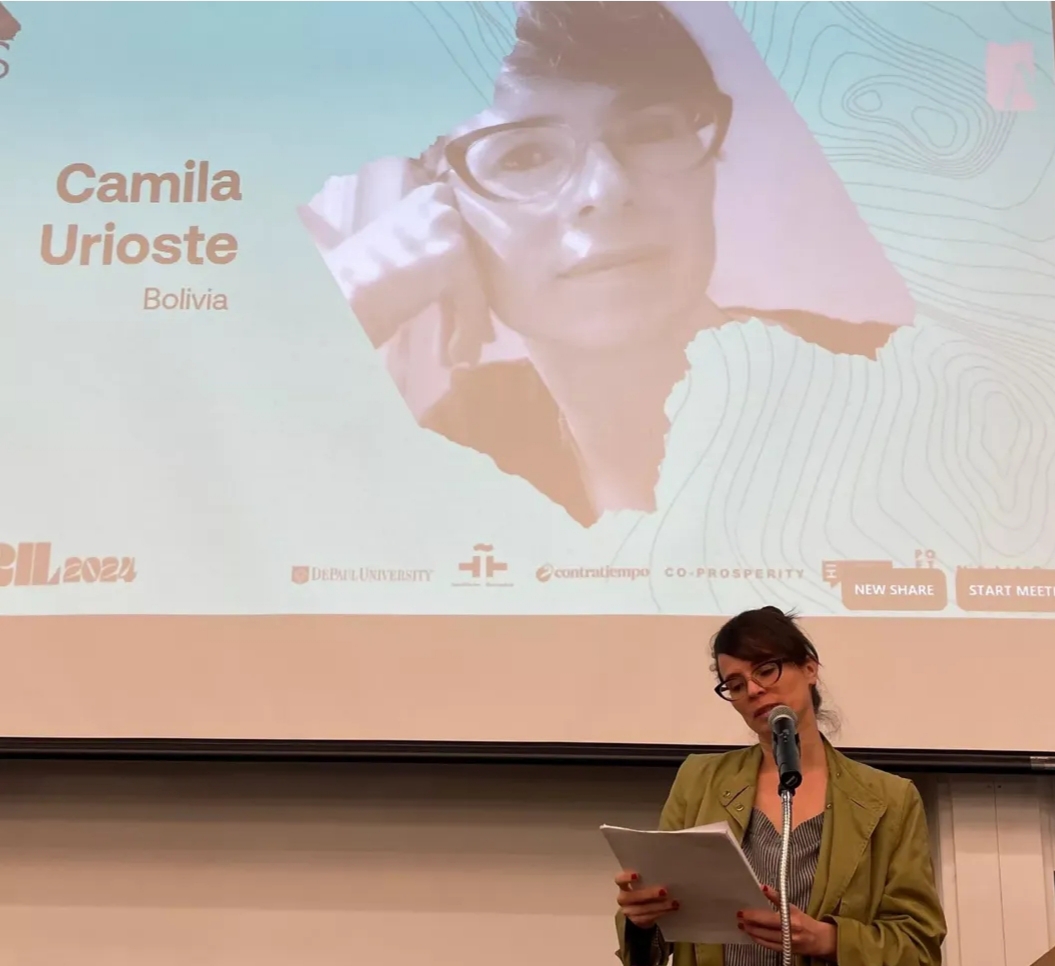
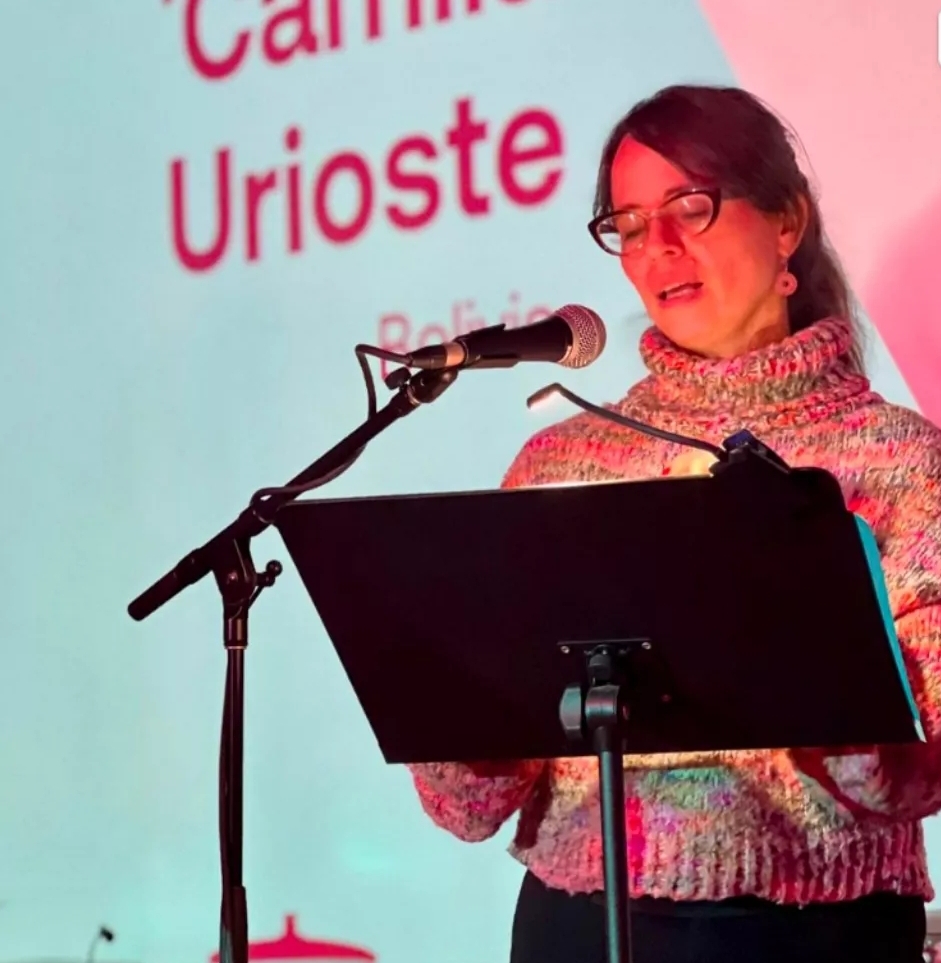
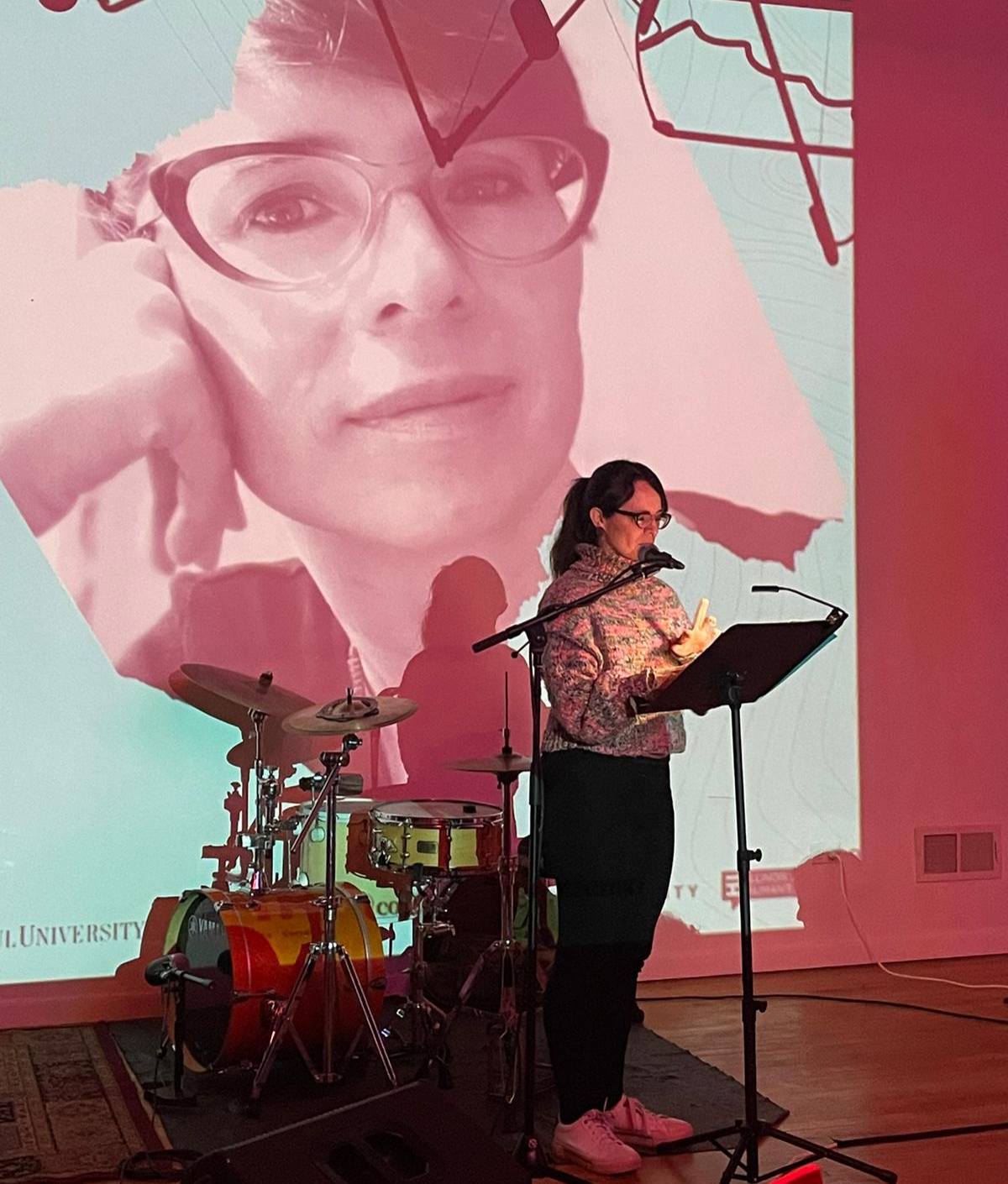
Through a series of creative writing and oral history sessions grounded in an interdisciplinary approach to their specific context and issues, 20 participants have been reclaiming ownership of their own stories under the guidance of a team formed by experts from Iowa and Uruguay. The exchange has run in both directions: writer and Iowa MFA graduate and instructor Camila Urioste led workshops in Montevideo at the project’s launch, while Professor Fernando Ordóñez from UDELAR spent a week at Iowa observing the university's workshop model firsthand. As project leaders (Ordóñez and Obermann Director Martín-Estudillo) put it, transforming often-traumatic life stories into poetry or fiction can make the experience of migration easier to bear, a reminder that the humanities remain a vital, living force for empathy and connection, not merely an archive of the past.
Co-Sponsorships
The Obermann Center welcomes the opportunity to support activities and events that further our mission—promoting research and creative work, facilitating publicly engaged art and scholarship, and building intellectual community. In addition to helping our Working Groups fund their various events, we also collaborated with partners across campus to co-sponsor 12 events in 2025–26, among them:
- Iowa Care Lab (fall 2025–spring 2026) — This philosophy research lab annually hosts visiting philosophers and runs a student-centered think tank for mentored research on care and the many ways care is shaping and changing questions about the nature of social cooperation, the bounds of personal freedom, and the ties that bind us together. ICL met as a UI course throughout the academic year and hosted several events, including "Empathy’s Role in Care Ethics," a Distinguished Senior Scholar Lecture by professor, author, and activist Lori Gruen, and a book signing with Asha Bhandary, Elana Buch and Diana Cates.
Course enrollment: 10
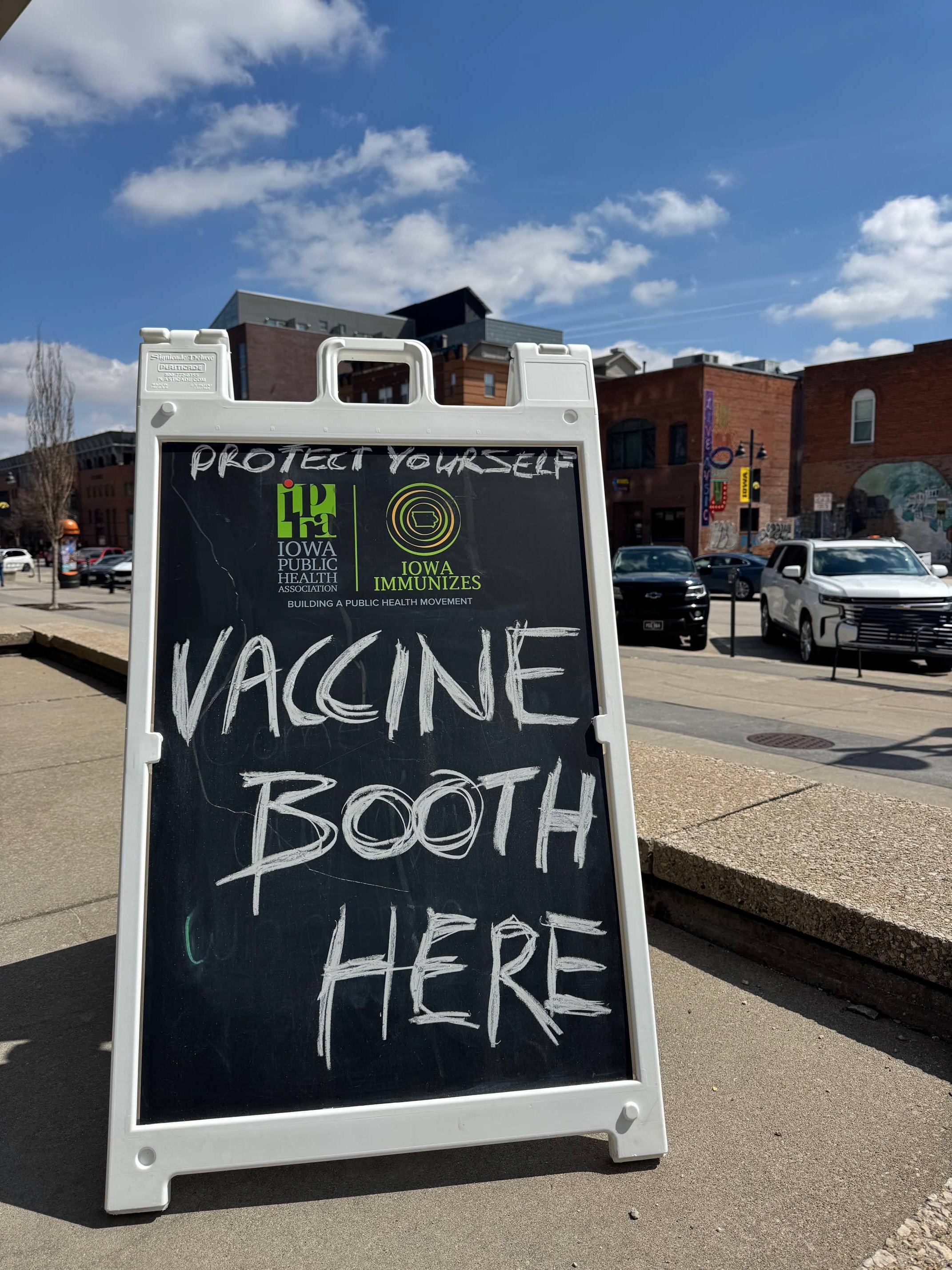
Event attendees: 55 faculty, staff, students, and community members - Iowa City Darwin Day 2026 (April 9–11, 2026) — This free, public event celebrating science featured lectures by renowned scientists, a book reading, six public lectures by leaders in the field, a vaccine clinic, and multiple information booths.
Attendees: 500 community members - Lecture: "Crypto-Jewish Identities in the 21st Century: Ibero-American Journeys" (April 21, 2026) — As part of the 2026 Provost's Global Forum, Cinematic Connections in a Polarized World: How Movies Bring Us Together, Jesús Jambrina (Viterbo University) spoke about the aftereffects of the Spanish Inquisition's expulsion of Jews from Spain in 1492, its expansion to Latin America, and the secularized crypto-Jewish practices by conversos.
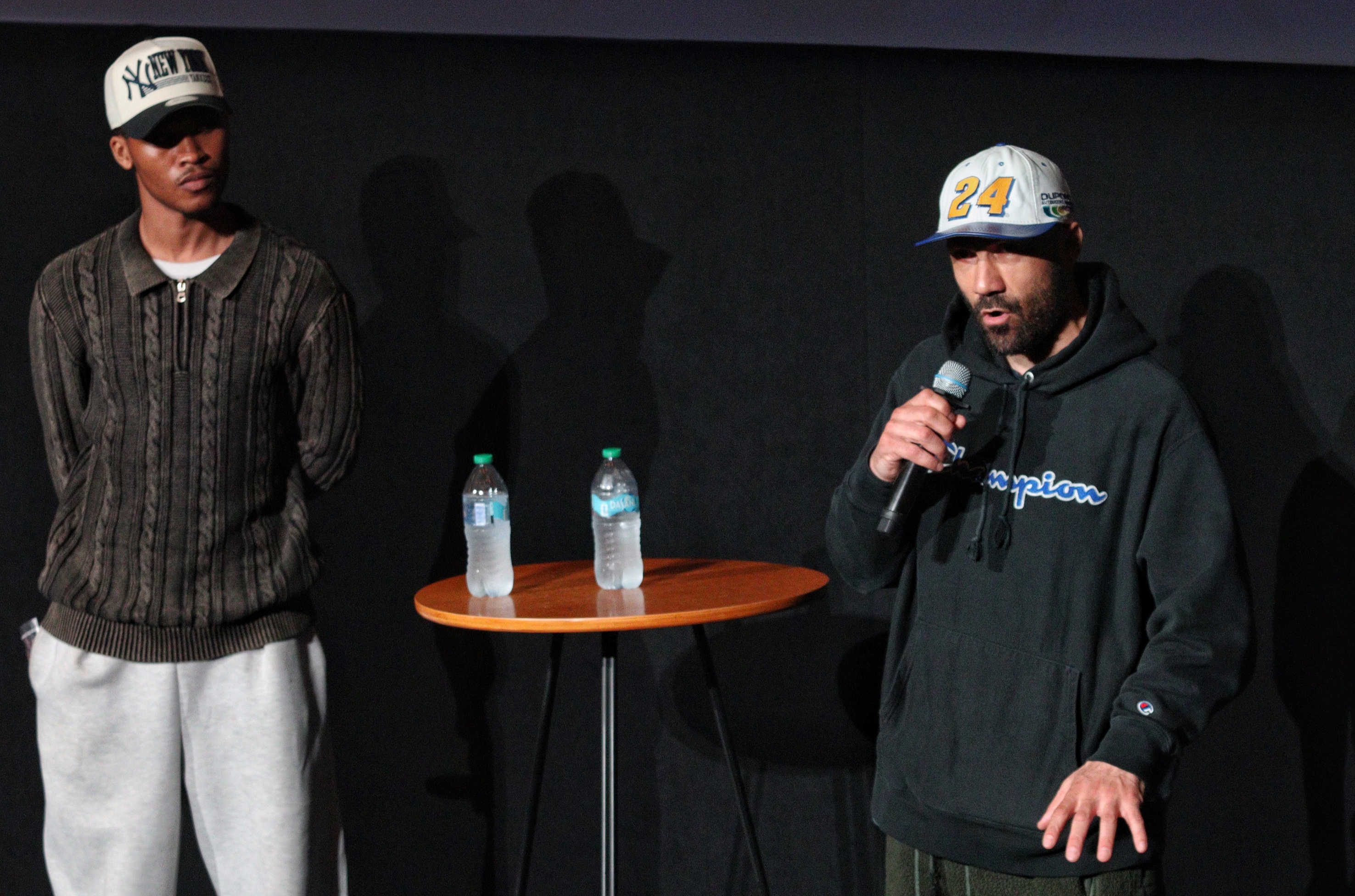
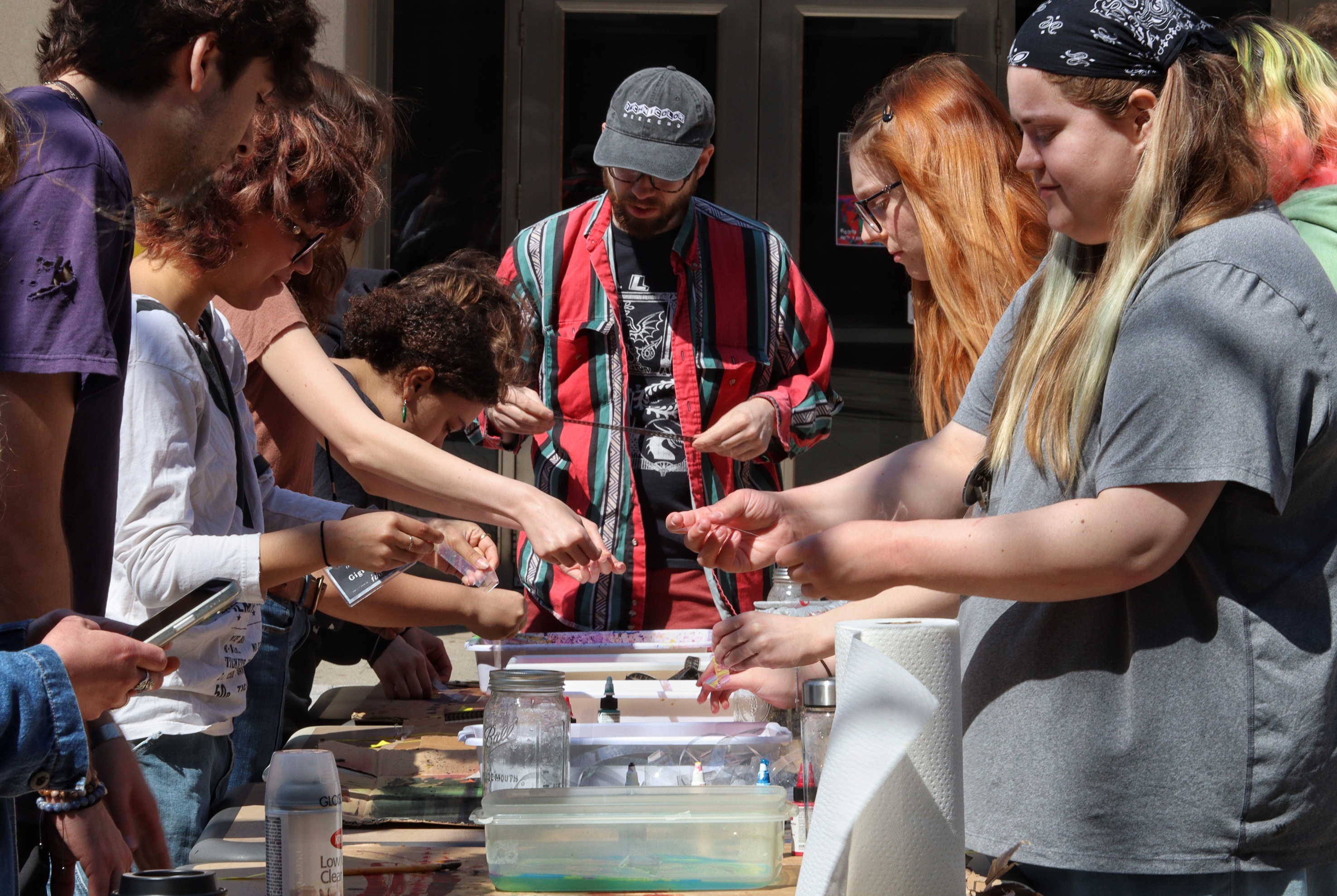
Attendees: 55 UI students and faculty - Iowa City International Documentary Film Festival (April 23–27, 2026) — The festival showcased 70 films, hosted eight virtual Q&As with over 15 filmmakers and eight in-person Q&As with 10 filmmakers, ran 14 screenings, and hosted a film marbling workshop and three coffee talks.
Attendees: 600 community members

We're in a movie!
In February 2026, Laura Conway (Cinematic Arts, CLAS) and a team of 14 students used various spaces at the Obermann Center to film scenes for a student production of Office Hours, a 10-minute film written by Dean Bakopoulos (Cinematic Arts, CLAS).
- "Liberating the Monument" lecture (March 12, 2026) — Award-winning multimedia artist and filmmaker Patricia Kaersenhout presented on her artwork "Liberating the Monument" in Braunschweig, Germany, and the "Monument of Flight and Resistance" in Utrecht, Netherlands.
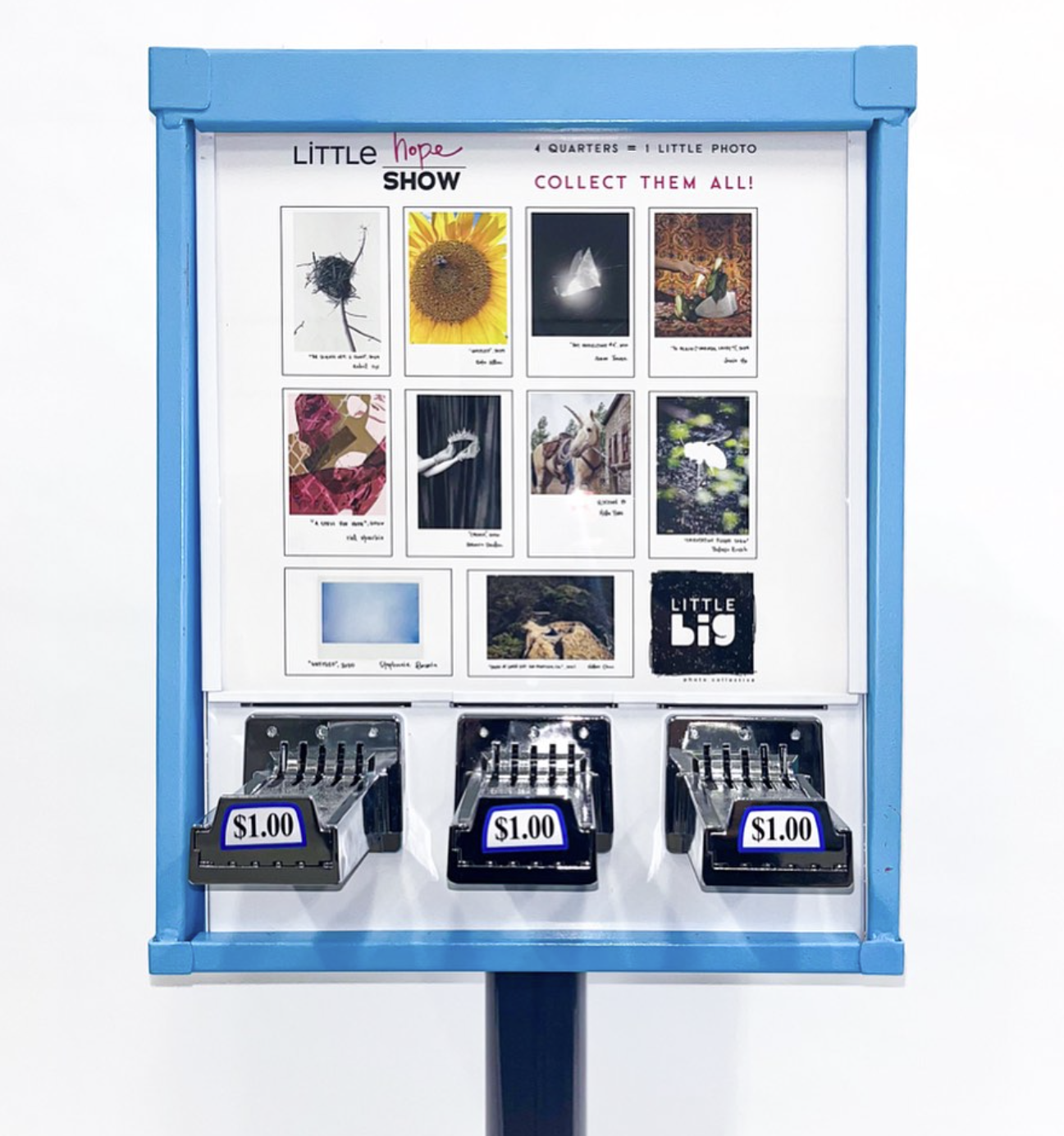
Participants: 20 students and faculty - The Little Hope Show (June 27, 2026) — This public photography exhibition curated by Thalassa Raasch (School of Art, Art History, and Design, CLAS) and the Little/Big Photo Collective featured mini prints housed inside a converted $1 vending machine for the purpose of distributing affordable art to the local community.
- Virtual Dissertation Camp (June 1–12, 2026) — Hosted by the UI Writing Center, the camp provided focused writing time, presentations, writing consultations, support, and motivation to UI graduate students writing their dissertations. All reported substantial progress on their dissertation projects and increased motivation and knowledge of the writing process.
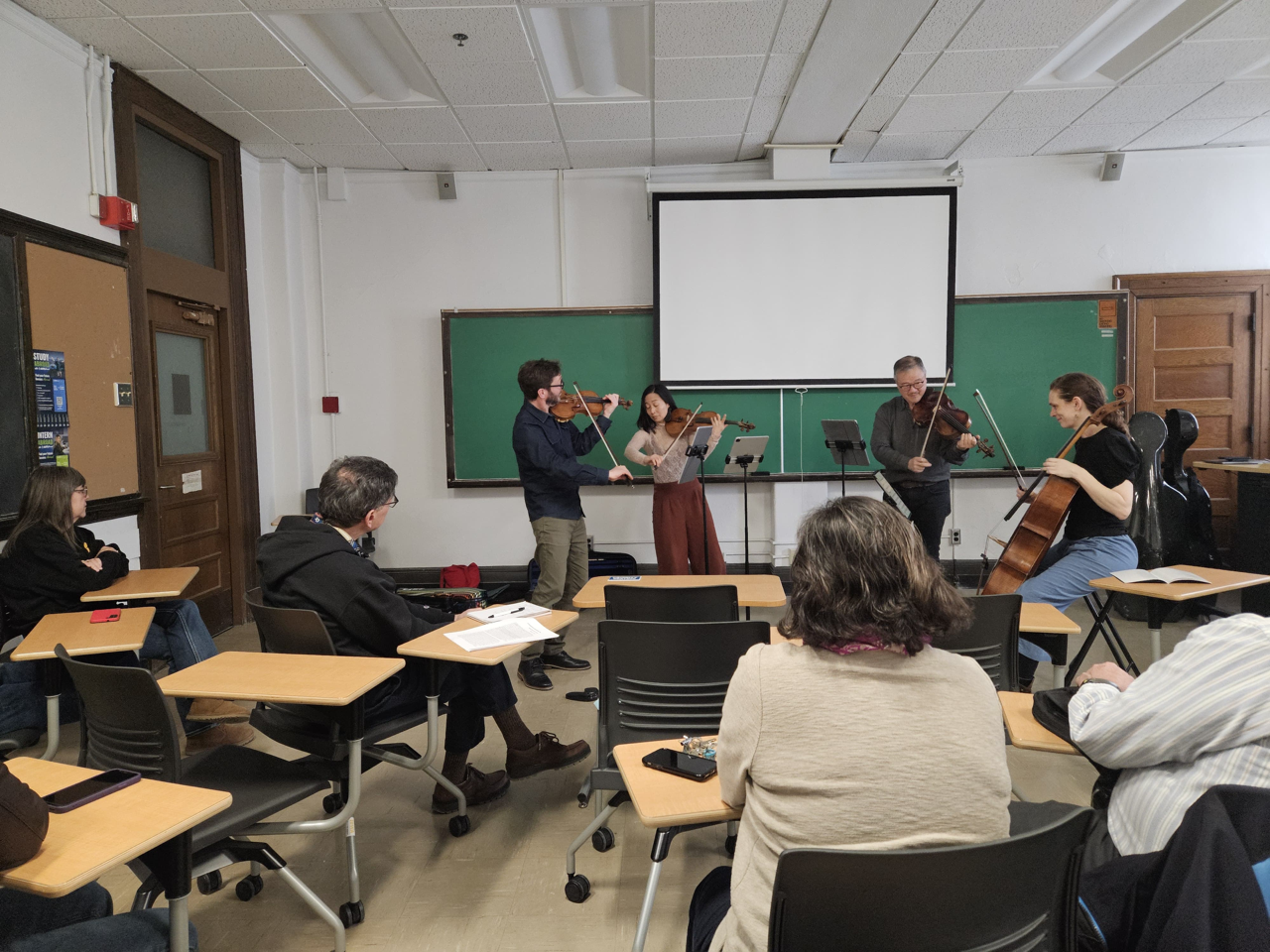
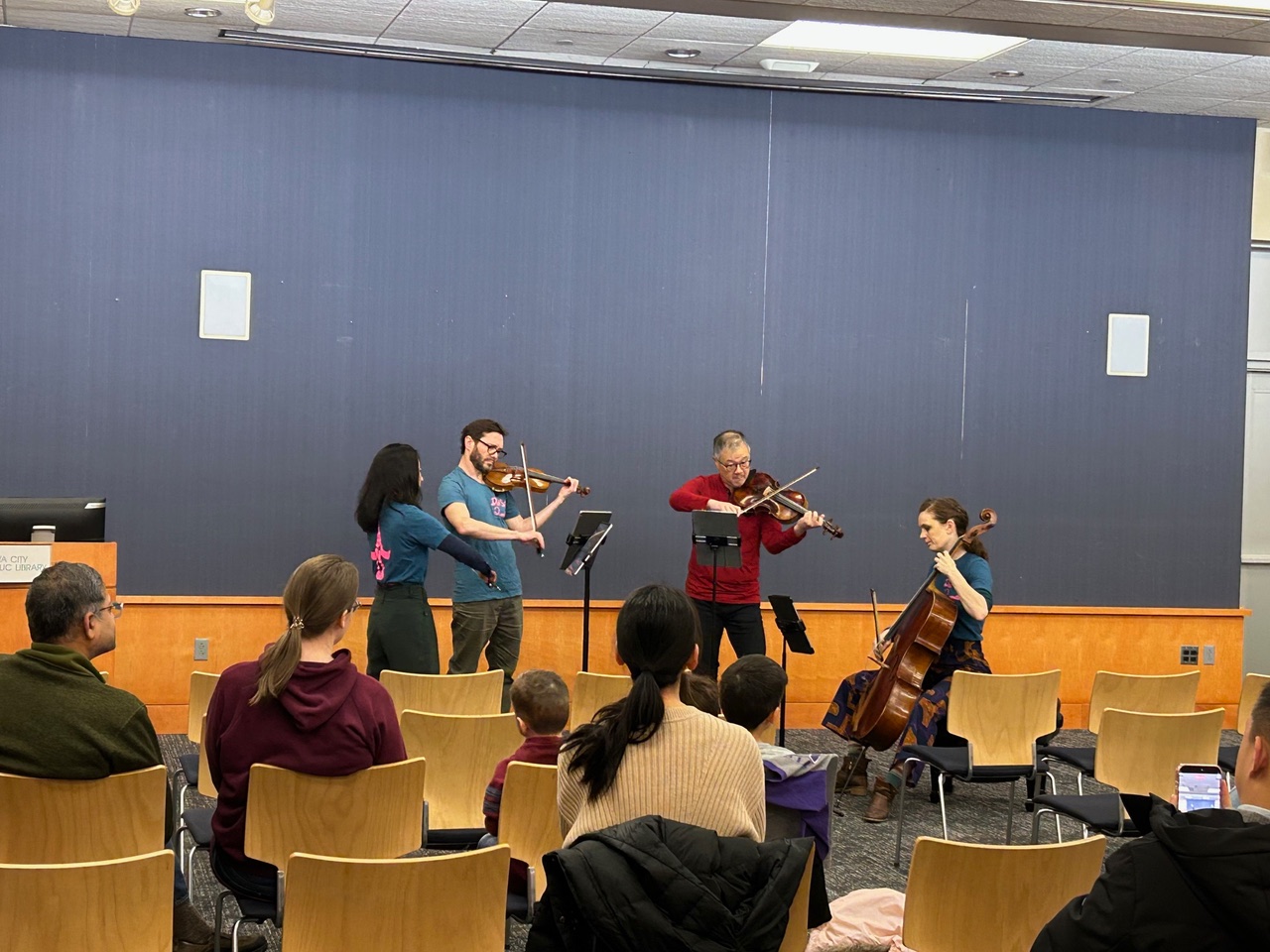
Participants: 20 graduate students - Del Sol String Quartet residency — The Obermann Center joined the Department of Anthropology, the School of Music, the Center for Asian and Pacific Studies, and the Iowa City Public Library to support a program that explored the history of migration through music, poetry, archival research, and testimonials. Quartet members provided chamber music coaching to School of Music students; performed a family concert at the Iowa City Public Library; played and discussed their work with UI History, Anthropology, and Chinese language classes; and performed at the Department of Anthropology Colloquium.
- UI Conifer and Seamark String Quartet Concerts (Nov. 19, 2025, and May 1, 2026) — Obermann joined the Emeritus Faculty Council to co-sponsor two free, intimate concerts at the center for UI emeritus faculty. Each event featured a discussion with the musicians about the history, themes, and styles of the chosen repertoire and an audience Q&A.
Attendees: 40 across both events - Scholars at Risk meeting — Obermann partnered with the Center for Human Rights to host a meeting for the UI chapter of Scholars at Risk, an international network that protects scholars and promotes academic freedom.





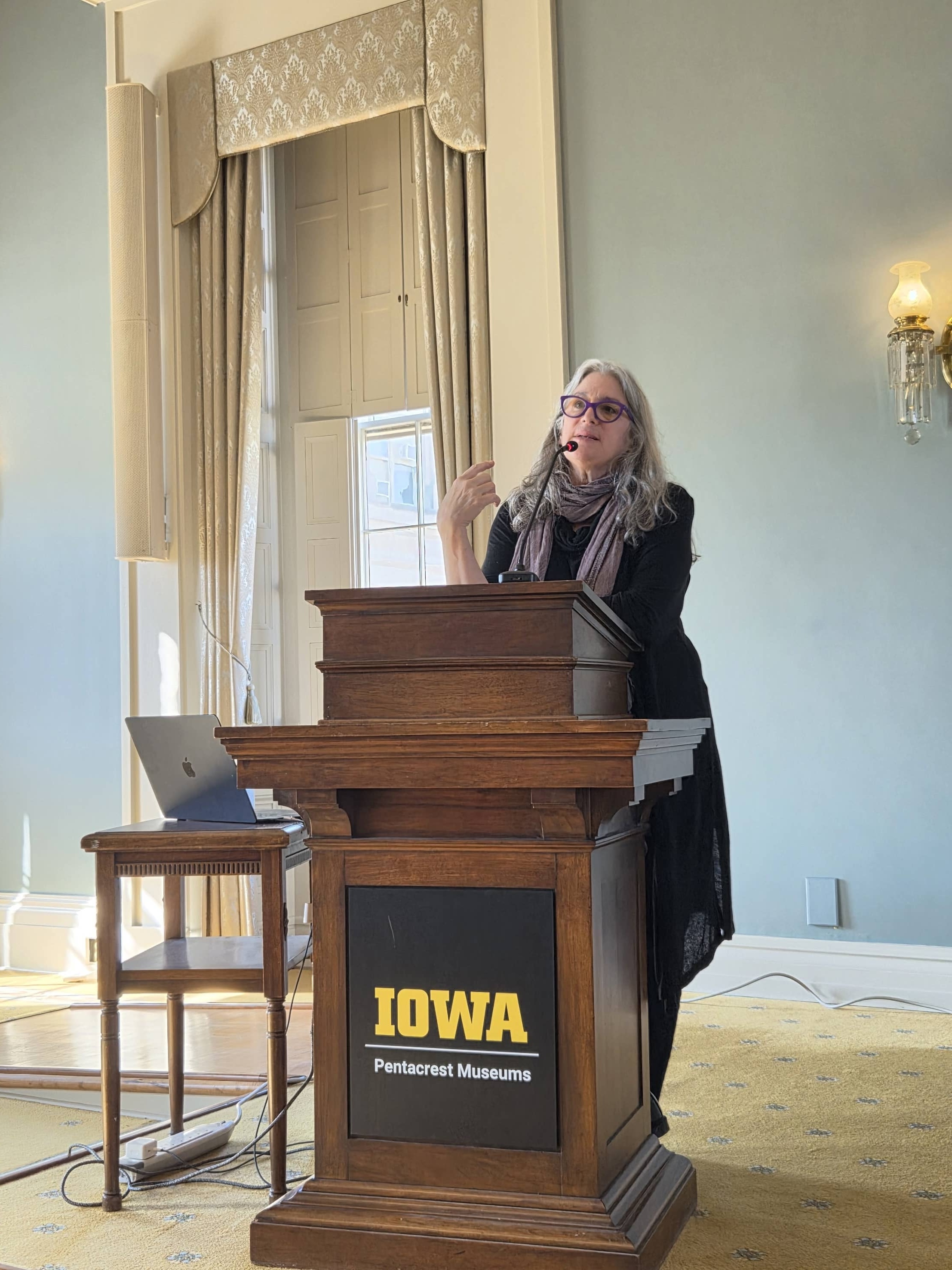
Obermann Staff
- Luis Martín-Estudillo, director
- Lauren Burrell Cox, associate director
- Erin Hackathorn, operations director
- Jenna Hammerich, communications coordinator
- Maria Torres Melgares (DMA candidate), program coordinator
Donors, 2025–26
Thank you to the following faculty, staff, emeritus faculty, and community friends who have recognized the value of the Obermann Center’s work and our unique role at the University of Iowa. Your gifts make our work not only possible but more creative and further-reaching.
- Daniel Campion
- Carolyn Colvin
- Marjorie Costigan
- Virginia Dominguez
- Claire Fox
- Carolyn Hartley
- Juan P. Hourcade
- Raymond G. Riezman
Advisory Board, 2025–26
- Brittany Bettendorf, Immunology, Carver College of Medicine
- Sarah Bond, History and Classics and Religious Studies, CLAS
- Cynthia Chou, Anthropology and Asian Studies, CLAS
- Mary Beth Easley, Theatre Arts, CLAS
- Ebonee Johnson, Community and Behavioral Health, College of Public Health
- Juan Pablo Hourcade, Computer Science, CLAS
- Kristy Nabhan-Warren, Office of the Vice President for Research; Classics and Religious Studies, CLAS (ex officio)
- Roland Racevskis, Languages, Linguistics, Literatures, and Cultures, CLAS; College of Liberal Arts and Sciences Administration (ex officio)
- Cassie Rader, Educational Policy and Leadership Studies, College of Education
- Michael Sauder, Sociology and Criminology, CLAS
- Tammie Walker, School of Music, CLAS
- Joseph Yockey, College of Law
Thank you to our donors and supporters. You make this work possible.