News
Explore the latest news about Obermann programs, events, and our interdisciplinary community of scholars.
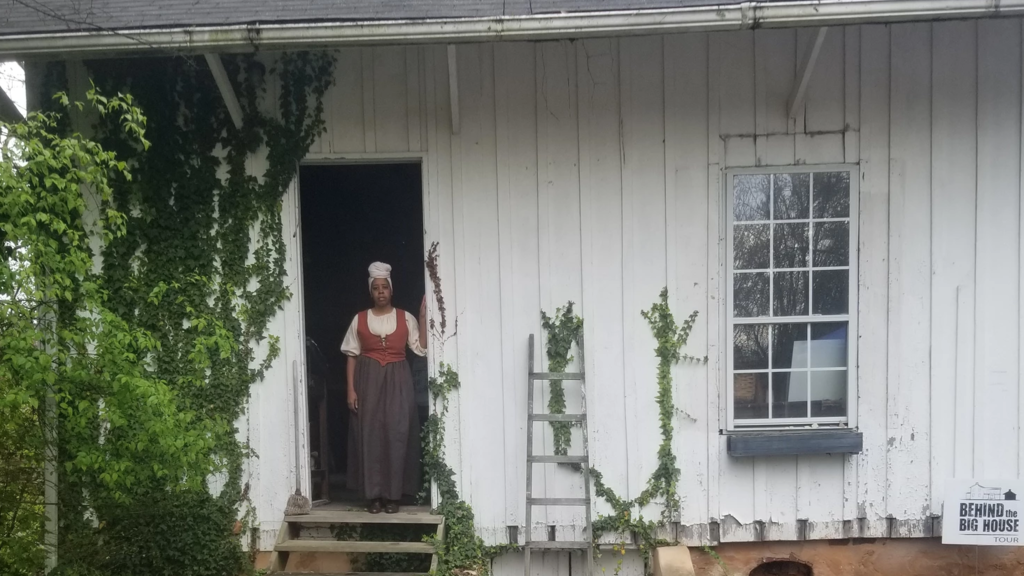
Scholar, Descendant, Collaborator: Jodi Skipper's new book explores slave dwelling project
Sunday, April 17, 2022
The words "slavery" and "tourism" don’t seem like they belong anywhere near each other. But a growing number of Americans of all races are eager to better understand our country’s complicated history by visiting places where difficult and often darkly violent events occurred. Ensuring that we, the touring populace, receive complete stories when we arrive at these spaces, a network of historians, anthropologists, and community activists are working against time to save the material remnants of the lived experience of enslaved people.
Among them is Jodi Skipper, a University of Mississippi professor of anthropology and southern studies. For the past decade, she has used tools as an archaeologist, scholar, teacher, and community member to widen and deepen the shared narratives of historic sites in the U.S. south. She has shared these experiences in a new book, Behind the Big House: Reconciling Slavery, Race, and Heritage in the U.S. South, just published by the University of Iowa Press.
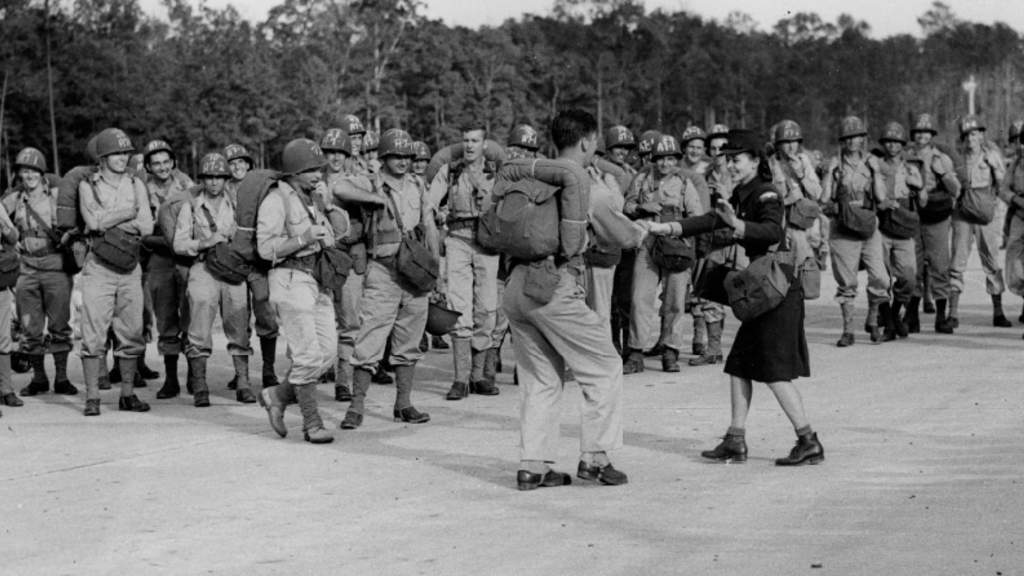
Dancing During War: Kowal Explores WWII Photo Archives
Thursday, April 7, 2022
“When we think about performance during World War Two, we think about USO shows and famous American performers like Bob Hope and Bette Davis,” says Rebekah Kowal, Spring 2022 Obermann Fellow-in-Residence. On the face of it, these performers were sent to overseas U.S. military camps to uplift soldiers’ spirits by providing a sense of home and “Americanness.” But there were many other forms of movement and performance that served other (rather overt) purposes, from displaying Western cultural dominance and exerting control over subjected people’s bodies to reintegrating the detained, creating a pathway to U.S. citizenship, and serving as a normalcy touchstone for the dancers.
Kowal (Dance, CLAS) is deep in research for a new book tentatively titled War Theatre: Dancing American Citizenship and Empire during World War II. After writing about the contribution of American modern dance to aesthetic and social change in the 1950s (How to Do Things with Dance: Performing Change in Postwar America [Wesleyan UP, 2010]) and about globalism and the performance of international dance in the U.S. after WWII (Dancing the World Smaller: Staging Globalism in Mid-Century America [Oxford, 2019]), she figured her next project would move away from the WWII era. But one sleepless night—“one of those bizarre moments during COVID,” she recalls—she pulled up the National Archives’ online catalog and started typing interesting keywords.

Working Group Spotlight: Jewish Studies
Monday, April 4, 2022
This is part of a series highlighting recently formed Obermann Center Working Groups. Lisa Heineman (History), co-director of the Jewish Studies Working Group with Ari Ariel (History), shared her responses. Thank you, Lisa! If you are interested in starting an Obermann Working Group for 2022-23, the application deadline is April 12.
Q. This is the first year of your Working Group. What led you to start it?
A: Iowa is the only Big 10 school without a Jewish Studies program. Yet Jewish Studies is an incredibly dynamic field of study, with real contemporary relevance—and we have many terrific teachers and scholars of Jewish Studies on our campus. We were hearing from students, alumni, and parents who made clear there was a demand for the field. We decided it was time to get together and think about how to have a more meaningful presence on campus.
Q. What kinds of people and from what disciplines are participating in your Group?
A. We have faculty members from History, International Studies, German, GWSS, Classics, Religious Studies, English, Translation, the Maggid Writing Center…. I hope I’m not forgetting anyone! We have emeriti and graduate students with important areas of expertise, and we have community members who play significant roles in Jewish life beyond our campus.
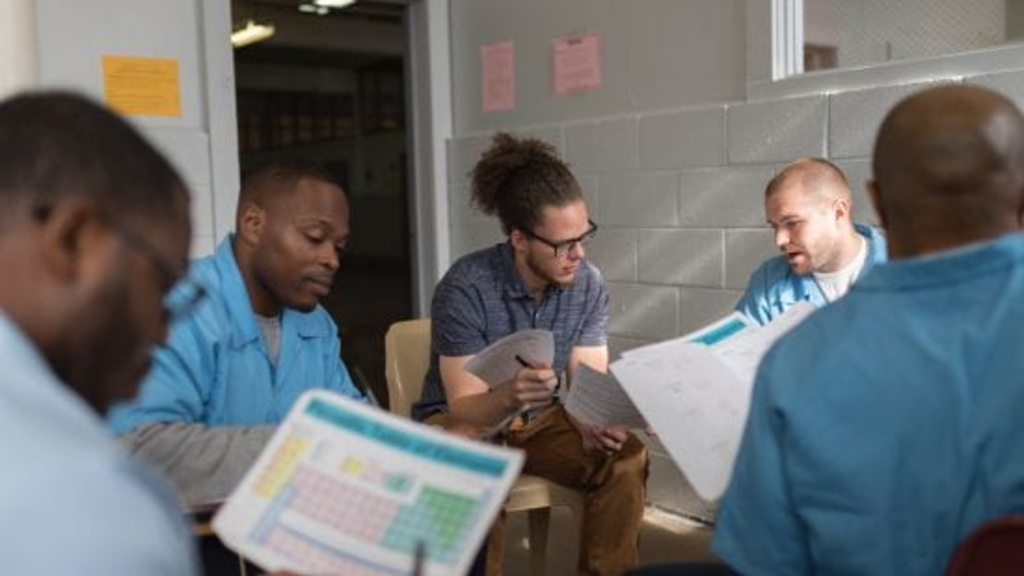
Working Group Spotlight: Transform(ED) Justice Collaboratory
Monday, March 21, 2022
In order to understand and amplify our Obermann Working Groups and their diverse activities, this spring we are spotlighting a number of newer groups. For this issue, we talk with Heather Erwin, who co-directs the Transform(ED) Justice Collaboratory group along with Daria Fisher-Page (Law).
Q: This is the first year of your Working Group. What led you to start it?
A: This working group evolved from the Liberal Arts Behind Bars (LABB) working group whose goal was to advance the work of serving incarcerated students. With the reinstatement of Pell grant eligibility for incarcerated students and the reimagining campus safety initiative on campus there are many opportunities to work toward building a campus community that prioritizes inclusivity and support for people impacted by the criminal legal system. The mission of the Transform(ED) Justice Collaboratory is to work toward abolition by building supportive communities, based on evidence created through research, and generating policy that creates necessary change.
The Language of Social Justice: David Cassels Johnson explores educational language policies
Monday, March 7, 2022
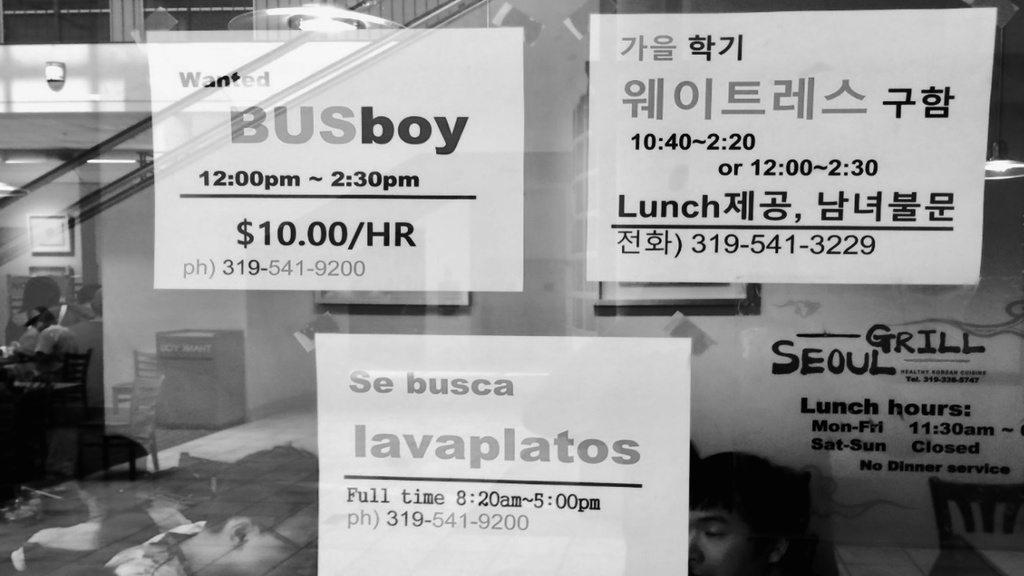
A local restaurant posts a help wanted ad for a dishwasher in Spanish, while server positions are advertised in Hangul (Korean). A teacher encourages students to write in the language of their lived experience, using their multilingual resources. A government nullifies Anglicized words from formal communications. A parent tells her children she won’t tolerate violent language. Each of these is a form of language policy.
According to David Cassels Johnson, Associate Professor in the Teaching and Learning Department of the University of Iowa’s College of Education and a Spring 2022 Obermann Fellow-in-Residence, “Language policy is any policy that governs the structure, function, use, or education of language.” Each of us is living under numerous language policies. Some at the macro level are decided by institutions; others are created less officially by circles to which we belong. We even make language policies for ourselves when, for instance, we choose not to use some kinds of language or to amplify others.
Working Group Spotlight: Spanish Heritage Speakers in the Classroom
Saturday, March 5, 2022
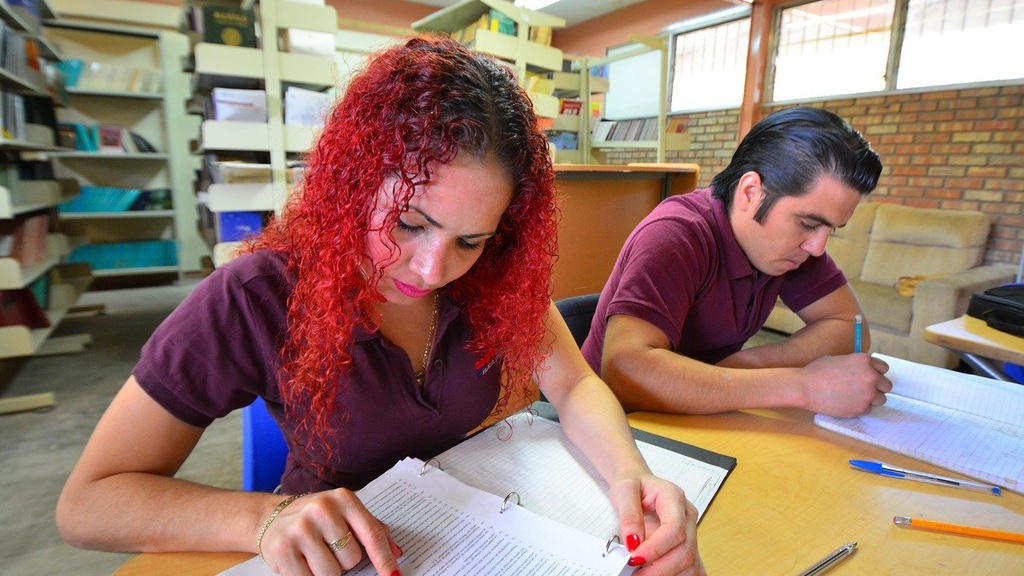
This spring, we're featuring a few of our newer Working Groups. As one of the most popular and largest Obermann Center programs, the Working Groups span a wide range of topics and have members who include emeriti faculty, lecturers, community members, and students, in addition to faculty from both the University of Iowa and other institutions. Here, we speak with Christine Shea (Spanish & Portuguese), who co-directs the Spanish and Heritage Speakers in the Classroom Working Group with Becky Gonzalez (Spanish & Portuguese).
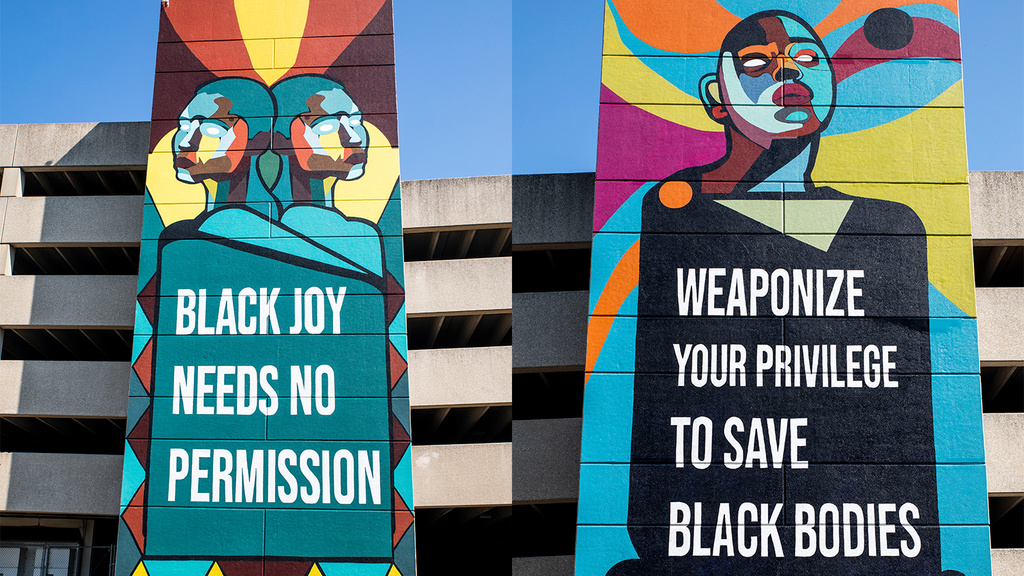
Weaponizing Humanities Research: Dellyssa Edinboro and the Oracles Murals
Monday, February 21, 2022
Publicly engaged work never occurs in a vacuum. That’s something Dr. Dellyssa Edinboro shares with her students at Bellevue College as she simultaneously encourages them to actively work to change systems of oppression. “When you move into spaces where you want to make change,” she says, “there are a lot of conversations that need to happen, some of which will have tension and conflict.”
Edinboro has firsthand experience of the kinds of twists and turns involved in a successful public project. In 2017, she was part of a small team of students that received a grant to work with the Historic Johnson County Poor Farm to produce a series of creative workshops about mental health. The students devised their project as part of the Obermann Graduate Institute on Engagement and the Academy with encouragement from the County staff member who managed the space. The first twist occurred when a key team member, who was an MFA student in the Dance Department, left the project. Without his expertise, it no longer made sense for the group to focus on movement as their primary form of creative expression; instead, they switched to creative writing.
Jeannette Gabriel to Discuss History of Iowa's Jewish Communities
Monday, February 21, 2022
On Tuesday, March 1, Jeannette Gabriel, Director of the Schwalb Center for Israel and Jewish Studies at the University of Nebraska Omaha, will present the annual Women’s History Month Lecture, “Welcoming the Immigrants: Refugee Resettlement in Jewish Iowa.” The lecture, hosted by the Iowa Women’s Archives, will take place at 4:30 p.m. at the Iowa City Public Library, and will also be live-streamed.

Book Ends with Chris Goetz
Monday, January 31, 2022
The Books Ends—Obermann/OVPR Book Completion Workshop has provided support for more than a dozen University of Iowa scholars to host working conversations about their manuscripts in process. Intended for faculty from disciplines in which publishing a monograph is required for tenure and promotion, the award brings two senior scholars to campus (or to our virtual campus) for a candid, constructive, half-day workshop on the faculty member’s book manuscript. Two senior faculty members from the UI are also invited to participate as an opportunity to learn about and support the work of a colleague.

We want to better understand what you need to re-engage in your work.
Monday, January 31, 2022
In a January 19, 2022 Chronicle of Higher Ed opinion piece, “The Great Faculty Disengagement,” Kevin McClure and Alisa Hicklin Fryar observe that in response to the grief, losses, inequities, and violence caused and exposed by COVID, some people are resigning, but many more are disengaging. In their research, they found that “people need to feel safe, valued, and confident that they have the resources to do their jobs.” These are the essential “conditions for people to flourish.” In the absence of these conditions, we see “less creativity, less risk-taking,” fewer “big and bold projects,” and a diversion of passion, energy, and leadership to spaces where people can find meaning in their work.
We have put together the following survey as one method for gathering the ideas and reflections of members of our campus. We hope you’ll find a few moments to share your thoughts with us about the work of the Obermann Center—even as we continue to wrestle with health, environmental, and social justice crises. We promise to pay careful attention to your thoughts about what we as a Center are doing well, and what we can do better to support research on our campus more inclusively and equitably.